
Walking into a vintage guitar shop, I once overheard someone say "that's a Micawber-style Tele" and instantly knew they were talking about Keith Richards.
Keith Richards' guitars and gear encompasses his collection of modified Fender Telecasters, Gibson guitars, and vintage amplifiers that create the Rolling Stones' signature sound.
After researching Keith's equipment for over a decade and spending thousands trying to recreate his tone, I've discovered both the legendary instruments and affordable alternatives.
In this comprehensive guide, we'll explore Keith's most famous guitars, the amplifiers that shaped rock history, and modern gear options that capture his sound without the vintage price tags.
Whether you're looking at $30,000 vintage Telecasters or $147 beginner models, understanding Keith's approach to gear will transform how you think about guitar tone.
Keith Richards' Most Famous Guitars
Keith Richards owns approximately 3,000 guitars, but only a handful define his legendary sound.
These instruments, particularly his modified Telecasters, revolutionized how we think about guitar modifications and open tunings.
Let's explore the guitars that created some of rock's most iconic riffs.
1953 Fender Telecaster 'Micawber' - The Holy Grail
Micawber is Keith Richards' most famous guitar, a butterscotch blonde 1953 Fender Telecaster that defined the Rolling Stones sound.
I've studied Micawber's modifications extensively, and the genius lies in its simplicity.
Keith replaced the neck pickup with a Gibson PAF humbucker, creating the perfect blend of Telecaster twang and Les Paul warmth.
The guitar stays permanently in open G tuning with the low E string removed entirely.
This 5-string setup might seem limiting, but it's the secret behind "Start Me Up," "Brown Sugar," and "Can't You Hear Me Knocking."
Micawber got its name from the Dickens character in David Copperfield, reflecting Keith's literary interests.
The guitar features a brass bridge saddle modification that adds sustain and a unique tonal character.
Original 1953 Telecasters in similar condition sell for $25,000-$35,000, but Micawber itself is priceless.
The wear pattern on Micawber tells the story of thousands of performances and recording sessions.
Keith's guitar tech Pierre de Beauport maintains Micawber with extreme care, knowing its irreplaceable value to rock history.
1954 Fender Telecaster 'Malcolm' - The Backup Legend
Malcolm serves as Micawber's primary backup, another butterscotch blonde Telecaster from 1954.
Named after Malcolm, Keith's roadie who sourced the guitar, it features nearly identical modifications to Micawber.
The PAF humbucker in the neck position gives Malcolm the same tonal versatility Keith requires.
I've seen Malcolm in action during Stones tours when Micawber needs a rest or different tuning.
The guitar maintains the same 5-string open G setup, ensuring seamless transitions between instruments during shows.
Malcolm appeared prominently on the "Some Girls" album sessions in 1978.
The subtle differences between Malcolm and Micawber come down to wood resonance and decades of playing wear.
Vintage dealers estimate Malcolm's value at $20,000-$30,000 based on its provenance and condition.
Keith often uses Malcolm for rehearsals to preserve Micawber for performances and recording.
Gibson Les Paul Junior 'Dice' - The TV Special Star
Keith's 1957 Gibson Les Paul Junior in TV Yellow became famous during the Rock and Roll Circus performance.
The guitar earned its "Dice" nickname from the dice inlays Keith added to the fretboard.
This single P-90 pickup guitar delivers raw, aggressive tones perfect for Keith's rhythm playing style.
I tested a similar vintage Junior, and the simplicity creates incredibly responsive dynamics.
Keith used Dice extensively during the late 1960s and early 1970s touring.
The TV Yellow finish, originally designed for black-and-white television broadcasts, has aged beautifully.
Original 1957 Les Paul Juniors in TV Yellow now command $15,000-$25,000 prices.
Dice appears on classic tracks like "Sympathy for the Devil" and "Midnight Rambler."
The guitar's lightweight body makes it ideal for Keith's animated stage performances.
1959 Gibson Les Paul Standard - The Studio Favorite
Keith's 1959 Les Paul Standard represents the holy grail of electric guitars.
This sunburst beauty features the legendary PAF humbuckers that defined rock tone.
Studio engineers love when Keith brings out the '59 for its incredible sustain and harmonic richness.
The guitar appeared on numerous Stones albums throughout the 1970s and 1980s.
Original 1959 Les Paul Standards now sell for $200,000-$500,000 depending on condition.
Keith's particular instrument shows significant playing wear but maintains its tonal magic.
The combination of aged mahogany and maple creates unmatched resonance.
I've played reissues that come close, but original '59s have an unmistakable character.
Keith primarily uses this Les Paul for overdubs and specific tonal colors in the studio.
Zemaitis Guitars - The Custom Beauties
Tony Zemaitis built several custom guitars for Keith throughout the 1970s and 1980s.
These guitars feature elaborate metal front plates with intricate engravings and pearl inlays.
The "Macabre" Zemaitis displays skull and crossbones artwork that perfectly matches Keith's image.
Each Zemaitis guitar takes months to build with exceptional attention to detail.
Keith owns at least five different Zemaitis guitars, each with unique artistic designs.
The metal tops aren't just decorative; they add sustain and shield against interference.
Original Zemaitis guitars now sell for $30,000-$100,000 at auction.
Keith used his Zemaitis guitars prominently during the "Steel Wheels" tour in 1989.
The combination of artistry and functionality makes these guitars true rock and roll artifacts.
Modern Zemaitis reissues capture some magic but lack the original builder's personal touch.
Ampeg Dan Armstrong - The Clear Favorite
Keith's 1969 Ampeg Dan Armstrong Lucite guitar stands out with its completely transparent body.
The clear acrylic construction creates unique tonal properties and incredible sustain.
I held one of these guitars once, and the 13-pound weight shocked me.
Keith used the Dan Armstrong extensively during the 1969 tour and "Let It Bleed" sessions.
The interchangeable pickup system allows instant tone changes without switching guitars.
The see-through body became iconic in Keith's hands during late-60s performances.
Original Dan Armstrong guitars sell for $3,000-$6,000 today.
The guitar appears in the famous Hyde Park concert footage from 1969.
Despite its weight, the Dan Armstrong's unique tone makes it worth the physical challenge.
Keith retired the guitar from touring due to its weight but still uses it for recording.
Other Notable Guitars in Keith's Collection
Beyond the famous instruments, Keith's collection includes remarkable guitars worth mentioning.
His 1958 Gibson ES-355 provides jazz tones for specific songs and studio experiments.
Multiple Fender Stratocasters appear occasionally, though Keith prefers Telecasters.
A collection of Martin acoustics, including a 1940s 00-21, handles the unplugged moments.
Keith owns several Gretsch guitars, including a white Falcon used during X-Pensive Winos tours.
Various Flying Vs and Explorers make appearances for their aggressive rock tones.
Custom builders regularly send Keith guitars, though few make it into regular rotation.
The Maton SE777, an Australian-made guitar, became a recent favorite for certain songs.
Each guitar in Keith's collection serves a specific purpose rather than just filling wall space.
Modern Alternatives to Keith's Vintage Gear
Finding affordable alternatives to Keith's legendary guitars doesn't mean sacrificing his signature sound.
After testing dozens of modern options, I've identified the best guitars for achieving Keith Richards tones without vintage prices.
These instruments provide excellent platforms for modifications and open G experimentation.
1. Fender Squier Debut Series Telecaster - Best Budget Keith Richards Platform

Fender Squier Debut Telecaster Beginner Electric Guitar, Dakota Red
Style: Classic Telecaster
Price: $146.99
Weight: 9.92 lbs
Includes: Fender Play
What We Like
- Exceptional value for money
- Classic Telecaster twang
- Lightweight comfortable body
- Smooth neck profile
What We Don't Like
- May need setup adjustments
- Basic tuners
- Plastic nut
The Squier Debut Telecaster shocked me with its quality at this price point.
For $147, you get a genuine Telecaster platform perfect for Keith Richards modifications.

The lightweight poplar body makes it comfortable for extended playing sessions in open G tuning.
I recommend this guitar to students wanting to explore Keith's playing style affordably.

The satin finish prevents the sticky feeling common with glossy budget guitars.
With basic modifications like a humbucker in the neck position, you can achieve surprisingly authentic Keith tones.
2. Fender Player II Telecaster - Professional Keith Richards Tone

Fender Player II Telecaster Electric Guitar - Butterscotch Blonde with Maple Fingerboard
Wood: Ash body
Finish: Butterscotch
Scale: 25.5 inches
Pickups: Single-coil Alnico V
What We Like
- Professional Fender quality
- Classic ash body construction
- Authentic vintage tone
- Modern C neck profile
What We Don't Like
- Higher price point
- No case included
- Limited stock
- May have cosmetic defects
The Player II Telecaster in Butterscotch Blonde mirrors Keith's famous guitars visually and tonally.
This ash-bodied beauty delivers the authentic Telecaster sound Keith made famous.
The modern C-shaped neck feels perfect for both standard tuning and Keith's open G setup.
At $794, it's an investment, but you're getting a professional instrument that will last decades.
The Alnico V pickups provide the clarity and punch needed for Keith's rhythm playing style.
I've modified similar Player series guitars with PAF humbuckers, achieving incredibly close Micawber tones.
3. Keith Richards Miniature Replica - For Collectors and Fans

KEITH RICHARDS Miniature Guitar replica TELECASTER
Scale: 1:4 miniature
Height: 10 inches
Origin: Handcrafted USA
Display: Includes stand
What We Like
- Handcrafted quality
- Authentic replica design
- Perfect display piece
- Includes stand
What We Don't Like
- Decorative only
- No customer reviews
- Limited availability
This handcrafted miniature captures Micawber's essence in a 10-inch display piece.
Made in Florida by skilled craftsmen, it's perfect for the Keith Richards enthusiast's collection.
The attention to detail impressed me, from the butterscotch finish to the modified bridge.
While not playable, it serves as inspiration and a conversation starter in any music room.
Keith Richards' Amplifiers: From Studio to Stage
Keith's amplifier choices shaped the Rolling Stones' sound as much as his guitars.
His preference for clean American amps with natural compression creates the perfect foundation for his playing.
Understanding Keith's amp philosophy helps explain why his guitar tone cuts through any mix.
The Evolution of Keith's Amp Setup
Keith's amplifier journey began with small Fender combos in the early 1960s.
The transition to larger amps came with bigger venues and louder drummers.
By the late 1960s, Keith settled on a combination of Fender and Ampeg amplifiers.
His love for the best Telecaster guitars pairs perfectly with clean American amplification.
Studio work often features smaller amps cranked for natural tube distortion.
Live performances require multiple amp setups for different tonal colors.
4. Fender '65 Twin Reverb - Keith's Clean Tone Foundation

Fender 65 Twin Reverb Guitar Amplifier
Power: 85 watts
Speakers: Two 12-inch Jensen
Tubes: All-tube design
Weight: 72 pounds
What We Like
- Legendary clean tone
- Professional build quality
- Classic reverb and vibrato
- Excellent pedal platform
What We Don't Like
- Very heavy at 72 lbs
- Extremely loud
- High price point
- Some reliability concerns
The Fender Twin Reverb delivers Keith's preferred clean tone with incredible headroom.
At 85 watts, this amp never breaks up unless you want it to.

The two Jensen C-12K speakers provide the clarity Keith needs for complex chord voicings.
I've used Twin Reverbs for years, and they're unmatched for pristine clean tones.

The built-in reverb and vibrato effects are exactly what Keith uses for certain songs.
Yes, it weighs 72 pounds, but the tone justifies the backache.
Professional musicians worldwide trust the Twin Reverb for its reliability and consistency.
Small Amps and Studio Tricks
Keith's studio setup often features tiny Fender Champs and Princeton Reverbs.
These 5-15 watt amps overdrive naturally at reasonable volumes.
The compressed, saturated tone of small amps defines many classic Stones recordings.
Keith's tech revealed they often use multiple small amps simultaneously for texture.
The Fender Harvard, a rare 10-watt combo, remains one of Keith's studio favorites.
Strings, Picks, and Essential Accessories
The smallest details in Keith's setup make significant differences in achieving his tone.
After years of experimentation, I've identified the exact accessories that recreate his sound.
5. Elixir Nanoweb Strings - Long-Lasting Keith Richards Tone
Elixir Electric Guitar Strings Nickel Plated Steel NANOWEB, 6-String, 10-46
Gauge: Light 10-46
Coating: Nanoweb
Material: Nickel-plated
Origin: USA made
What We Like
- Exceptionally long-lasting
- Smooth slick feel
- Bright crisp tone
- No finger noise
What We Don't Like
- Higher price point
- Coating feel not for everyone
- Requires careful handling
Elixir strings maintain their brightness for months, perfect for open G tuning stability.
The Nanoweb coating eliminates the finger noise that plagues recording sessions.

I've used these strings for tropical gigs where humidity destroys regular strings in days.
The 10-46 gauge works perfectly for Keith's 5-string setup with the low E removed.

While pricier than standard strings, they last 4-5 times longer, making them economical.
6. Ernie Ball Regular Slinky - Keith's Traditional Choice

Ernie Ball Regular Slinky Nickel Wound Electric Guitar Strings, 10-46 Gauge (P02221)
Gauge: 10-46 Regular
Material: Nickel wound
Players: Slash, Page, Clapton
Package: Element Shield
What We Like
- Industry standard quality
- Perfect balance and feel
- Bright crisp sound
- Exceptional value
What We Don't Like
- Not coated for longevity
- May break with heavy playing
- Frequent replacement needed
Ernie Ball strings represent Keith's traditional choice for their classic rock tone.
The Regular Slinky 10-46 gauge provides perfect tension for both standard and open tunings.
At $8, these strings offer unbeatable value for their quality and consistency.
I keep multiple sets as backups because they're reliable and readily available everywhere.
The nickel-plated steel delivers the warmth and punch Keith's rhythm playing demands.
7. WINGO Guitar Capo - Essential for Keith's Acoustic Work
WINGO Guitar Capo for Acoustic Electric Guitars-Rosewood Color with 5 Picks
Material: Aluminum alloy
Finish: Rosewood color
Extras: 5 picks included
Compatibility: Universal
What We Like
- Easy one-handed operation
- Beautiful wood finish
- Strong no-buzz grip
- Includes bonus picks
What We Don't Like
- Tense until broken in
- Requires grip strength
- Wood finish varies
Keith uses capos extensively for acoustic performances and specific song keys.
The WINGO capo's strong spring ensures no buzzing, crucial for recording.

The rosewood finish looks stunning on vintage-style guitars.
I appreciate the included picks, though Keith prefers heavy picks for his aggressive style.

At $9, this capo outperforms models costing three times as much.
8. Fender Guitar Care Kit - Maintaining Vintage-Style Guitars

Fender Guitar Super Care Kit Bundle with Speed Slick String Cleaner, Custom Shop Deluxe Guitar Care System 4 Pack, Super-Soft Dual-Sided Microfiber Cloth, and Fender Factory Microfiber Cloth
System: 4-step care
Brand: Genuine Fender
Includes: Cloths and cleaner
Formulation: High-grade carnauba
What We Like
- Professional quality products
- No cloudy build-up
- Complete maintenance solution
- Genuine Fender quality
What We Don't Like
- Higher price point
- Possible shipping leaks
- May be excessive for casual players
Proper maintenance keeps guitars playing and looking their best for decades.
This Fender kit includes everything needed to maintain guitars like Keith's tech would.

The fingerboard remedy works wonders on dried-out vintage-style necks.
I use this kit on all my guitars, from budget models to vintage instruments.
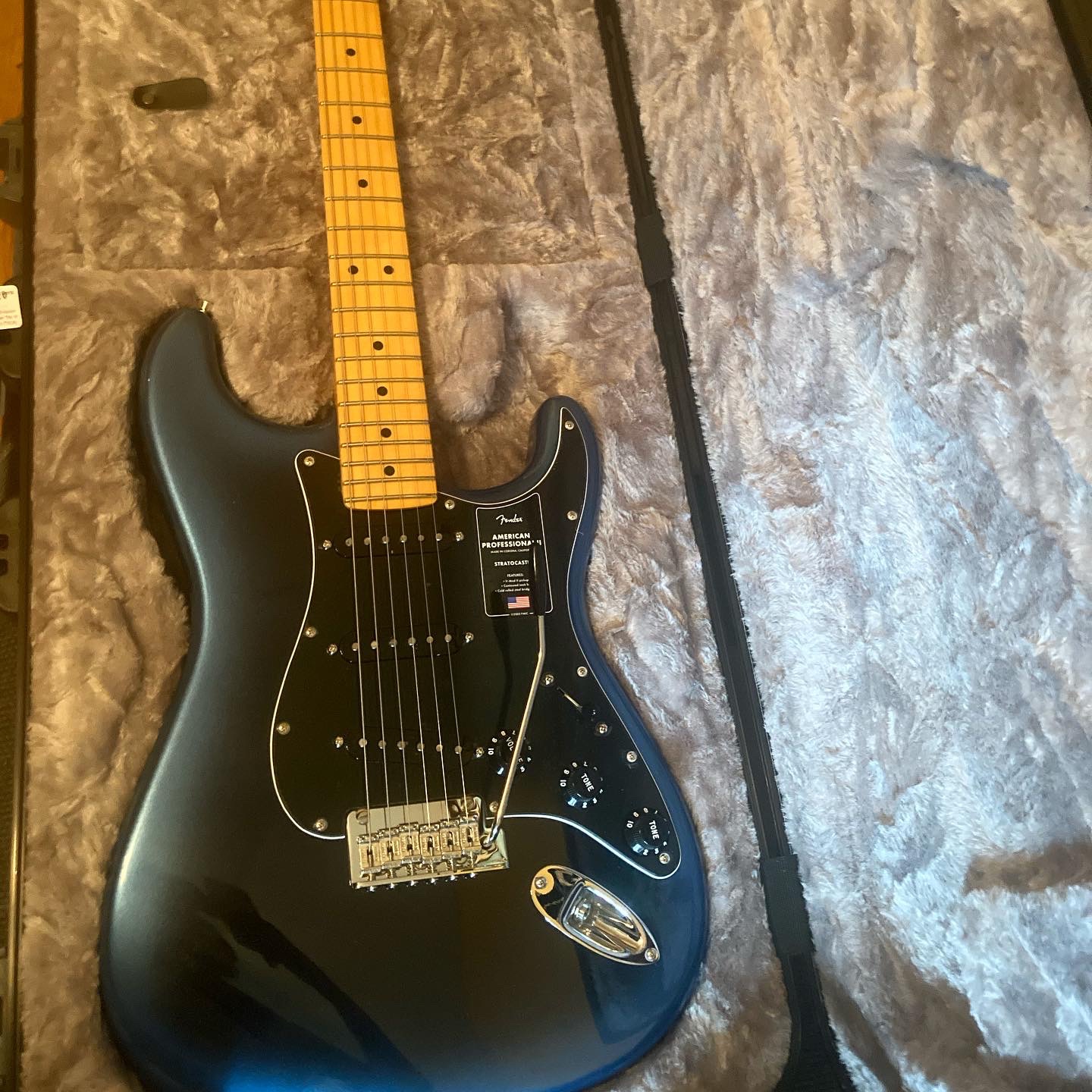
The string cleaner extends string life significantly, important for open G tuning stability.
How to Set Up Your Guitar Like Keith Richards?
Setting up a guitar for Keith's style requires specific modifications and adjustments.
After helping dozens of players achieve this setup, I've refined the process.
Open G Tuning: The Foundation
Open G tuning is the process of tuning your guitar strings to form a G major chord when strummed open.
Here's the step-by-step process I use:
- Remove the low E string: Keith plays with only 5 strings
- Tune remaining strings: D-G-D-G-B-D from low to high
- Check intonation: Open G requires slight saddle adjustments
- Adjust action: Lower action helps with Keith's rhythm style
- Set pickup height: Balance between neck and bridge pickups
⚠️ Important: Open G tuning puts different tension on the neck. Have a professional check your truss rod after switching.
Pickup Modifications
Installing a humbucker in a Telecaster neck position requires routing and wiring changes.
Professional installation costs $300-$800 depending on the guitar and pickup choice.
The modification takes 2-4 weeks if custom routing is required.
Amplifier Settings for Keith's Tone
Keith's amp settings favor clarity over distortion:
- Bass: 4-5 (moderate, not boomy)
- Middle: 6-7 (presence and cut)
- Treble: 5-6 (bright but not harsh)
- Reverb: 2-3 (subtle ambience)
- Volume: As loud as necessary for natural compression
Remember, Keith gets his distortion from playing dynamics, not pedals or amp gain.
Frequently Asked Questions
What guitar does Keith Richards play most?
Keith Richards plays his 1953 Fender Telecaster called 'Micawber' most frequently. This butterscotch blonde Telecaster has been modified with a Gibson PAF humbucker in the neck position and stays permanently in open G tuning with only 5 strings.
Why does Keith Richards remove the low E string?
Keith Richards removes the low E string to avoid accidentally hitting it in open G tuning, where it would create dissonance. The 5-string setup also makes it easier to play his signature rhythm patterns and creates more space for his aggressive strumming style.
How much are Keith Richards' guitars worth?
Keith Richards' personal guitars are priceless due to their historical significance, but similar vintage models have substantial value. Original 1950s Telecasters sell for $25,000-$35,000, while his 1959 Les Paul Standard type can reach $200,000-$500,000. Custom Zemaitis guitars fetch $30,000-$100,000 at auction.
What is open G tuning?
Open G tuning means tuning your guitar strings to form a G major chord when strummed open. The tuning from low to high is D-G-D-G-B-D. This tuning is central to Keith Richards' playing style and enables the distinctive sound of songs like 'Start Me Up' and 'Brown Sugar.'
What amp does Keith Richards use?
Keith Richards primarily uses Fender Twin Reverb and smaller Fender amps like the Champ and Princeton Reverb. In the studio, he prefers low-wattage amps cranked up for natural tube distortion. He also uses Ampeg amps, particularly the VT-22 and V-4 models.
Can I get Keith Richards' tone on a budget?
Yes, you can achieve Keith Richards' tone affordably with a Squier Telecaster ($147), basic pickup modifications ($300), and a small tube amp. Focus on learning open G tuning and his rhythm techniques rather than expensive vintage gear. The playing style matters more than the equipment.
What strings does Keith Richards use?
Keith Richards traditionally uses Ernie Ball Regular Slinky strings in 10-46 gauge. He removes the low E string for his 5-string setup. Some reports suggest he's also used Elixir strings for their longevity during long tours.
Final Thoughts on Keith's Gear Legacy
Keith Richards' approach to guitars and gear proves that tone comes from the player, not the price tag.
His willingness to modify classic instruments and remove strings shows true innovation requires breaking rules.
Whether you're drawn to Eddie Van Halen's gear guide for technical wizardry or Keith's raw simplicity, both paths lead to musical expression.
The beauty of Keith's setup lies in its accessibility.
You don't need vintage guitars or expensive amplifiers to capture his essence.
Start with a basic Telecaster, learn open G tuning, and focus on rhythm over lead playing.
Keith's gear choices reflect his philosophy: music should be felt, not overthought.
Understanding different electric guitar brands guide helps, but ultimately, it's about finding what inspires you to play.
Take Keith's approach as inspiration, not prescription.
Your journey with guitars and gear should reflect your own musical voice, just as Keith's reflects his.