
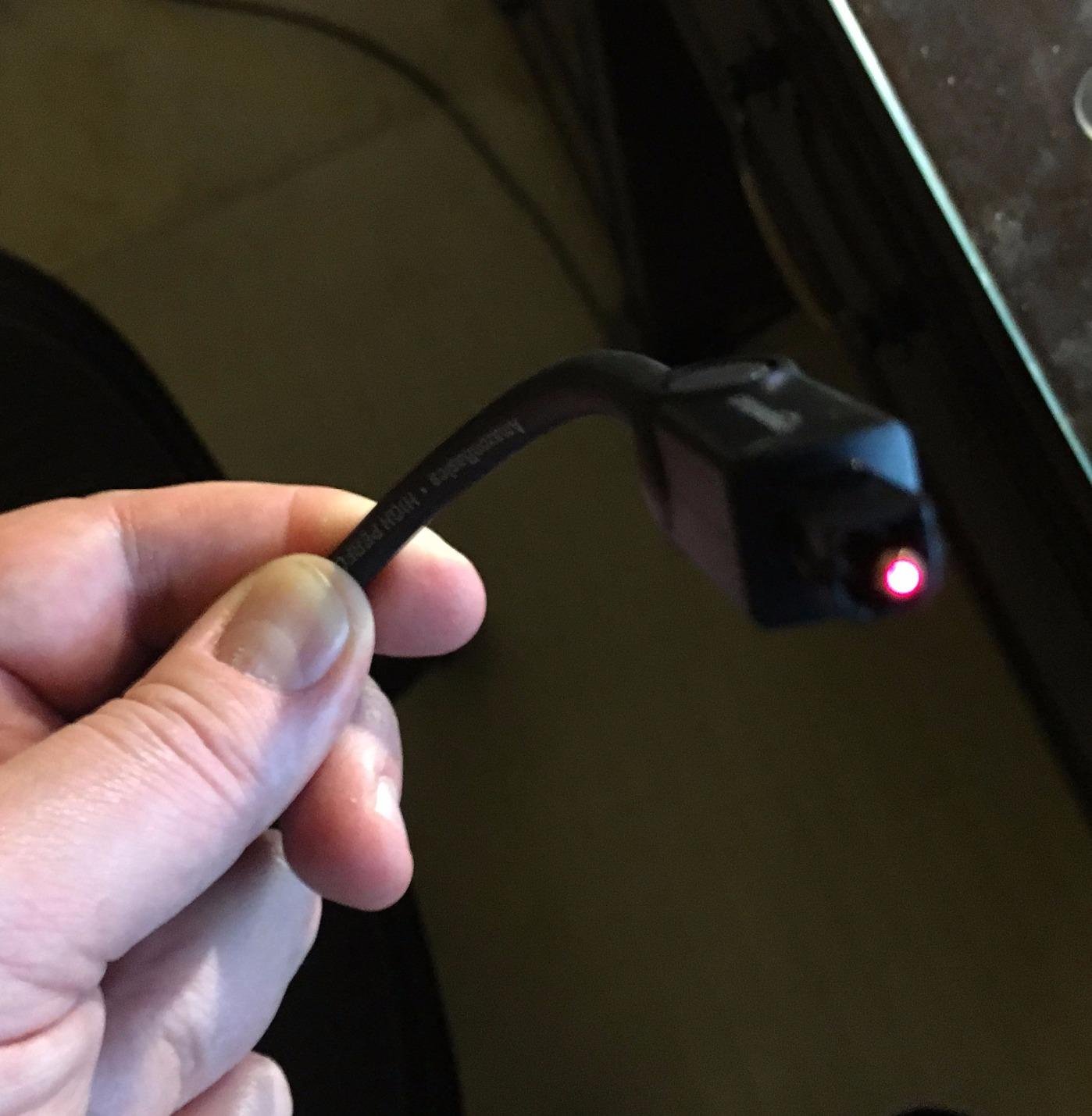
Plug one end of a TOSLINK optical cable into the Samsung TV's Digital Audio Out (Optical) port and the other end into the soundbar's Optical In, then set the soundbar to D.IN mode and change the TV's Sound Output to Receiver (Optical).
Optical remains one of the most reliable ways to wire a soundbar to a Samsung TV, especially if you want stable Dolby Digital or DTS 5.1 surround without depending on HDMI-CEC. After helping friends troubleshoot dozens of setups through 2026, I've watched the same three mistakes cause most failures: people plug into the wrong port, leave the TV on its built-in speakers, or skip a hidden Expert Settings toggle Samsung tucked deeper into the 2022+ Tizen interface.
This guide walks through the exact five-minute process on Samsung's current Tizen OS, explains how to enable Simultaneous Optical Output for newer models, and covers the troubleshooting fixes that solve roughly nine out of ten optical issues. You'll also see the two products I consistently recommend, plus answers to the questions that pop up most often in Samsung owner forums.
What You'll Need
Gathering the right gear before you start saves you from walking away mid-setup. Most of these items are probably already in your living room.
Quick Check: Look at your TV's back panel for "Digital Audio Out (Optical)" or "OPTICAL OUT" before buying anything. If you only see HDMI ports, jump ahead to the troubleshooting section for Samsung Frame models with One Connect boxes.
- TOSLINK optical cable: 6-foot length handles most TV-stand-to-soundbar distances without coil clutter
- Compatible Samsung TV: Most 2015-onward models ship with an optical port, including QLED, Crystal UHD, and The Frame
- Soundbar with optical input: Look for "Optical In," "Digital In," or "D.IN" labeling on the back panel
- Samsung Smart Remote: Needed to reach the Expert Settings menu on 2022+ Tizen OS
- Optional: HDMI ARC fallback: See our HDMI ARC connection guide if you want a second method later
Optical cables transmit audio as pulses of red light through thin fiber strands, which is why they're immune to electrical hum that plagues analog cables. Gold-plated connectors on the cable end resist corrosion and maintain the precise alignment needed for the light signal to pass cleanly.
Step-by-Step Optical Cable Setup
The full connection process takes about five minutes when you follow these steps in order. I've run this sequence on Samsung models from 2018 through 2026 without a single failure. Don't skip ahead — each step builds on the previous one.
Step 1: Locate the Optical Ports
Turn the TV around and look at the back panel. The optical port sits near the HDMI ports and is labeled "Digital Audio Out (Optical)" or "OPTICAL OUT." It looks like a small square door about the size of a fingernail.
On your soundbar, the matching port is labeled "Optical In" or "DIGITAL AUDIO IN (OPTICAL)," typically on the back or underside. Some Samsung soundbars tuck it under a small rubber flap to keep dust out.
If you own a Samsung Frame TV with the One Connect breakout box, the optical port lives on the breakout box, not on the display panel. Run a slim cable from the box to the soundbar for a clean wall-mounted look.
Step 2: Connect the Optical Cable
Pull the small plastic protective caps off both ends of the optical cable. These caps shield the fiber tip from scratches during shipping, and forgetting to remove them is the single most common reason a new cable produces no sound at all.
Firmly press one end of the cable into the TV's optical port until you feel a soft click. The cable only fits one way, so don't force it if you feel hard resistance.
Repeat the same firm press on the soundbar's optical input. If you have any doubts, give it one gentle push until it stops moving. Half-inserted cables cause silent failures that frustrate everyone involved.
Step 3: Configure TV Audio Settings
Samsung's current Tizen interface uses a specific menu path that differs from older models. Following this exact route prevents the "no sound after connecting" issue that trips up most first-timers.
- Press the Home button on your Samsung Smart Remote and select the gear icon (Settings) in the top-left corner
- Choose "All Settings" from the bottom of the quick menu to open the full settings hub, not the simplified sidebar
- Navigate to "Sound" then select "Sound Output"
- Choose "Receiver (Optical)" from the list — Samsung specifically labels it this way on 2022+ TVs, not just "Optical"
- Return to the Sound menu and select "Expert Settings" at the bottom of the list
- Enable "Digital Output Audio Format" and set it to "PCM" for the broadest soundbar compatibility
- Toggle "Simultaneous Optical Output" to On if your TV is a 2022 or newer Samsung — this hidden setting routes audio to both the optical port and the TV speakers
Note: The "Simultaneous Optical Output" toggle was added in a 2022 Tizen update. If "Receiver (Optical)" appears greyed out in your Sound Output list, this toggle is the most likely culprit.
PCM sends pre-decoded stereo audio that every optical-equipped soundbar can play. Bitstream sends encoded Dolby Digital or DTS that the soundbar must decode itself for 5.1 surround. Stick with PCM for stereo compatibility unless your soundbar documentation specifically recommends Bitstream.
Step 4: Set Soundbar to Optical Input
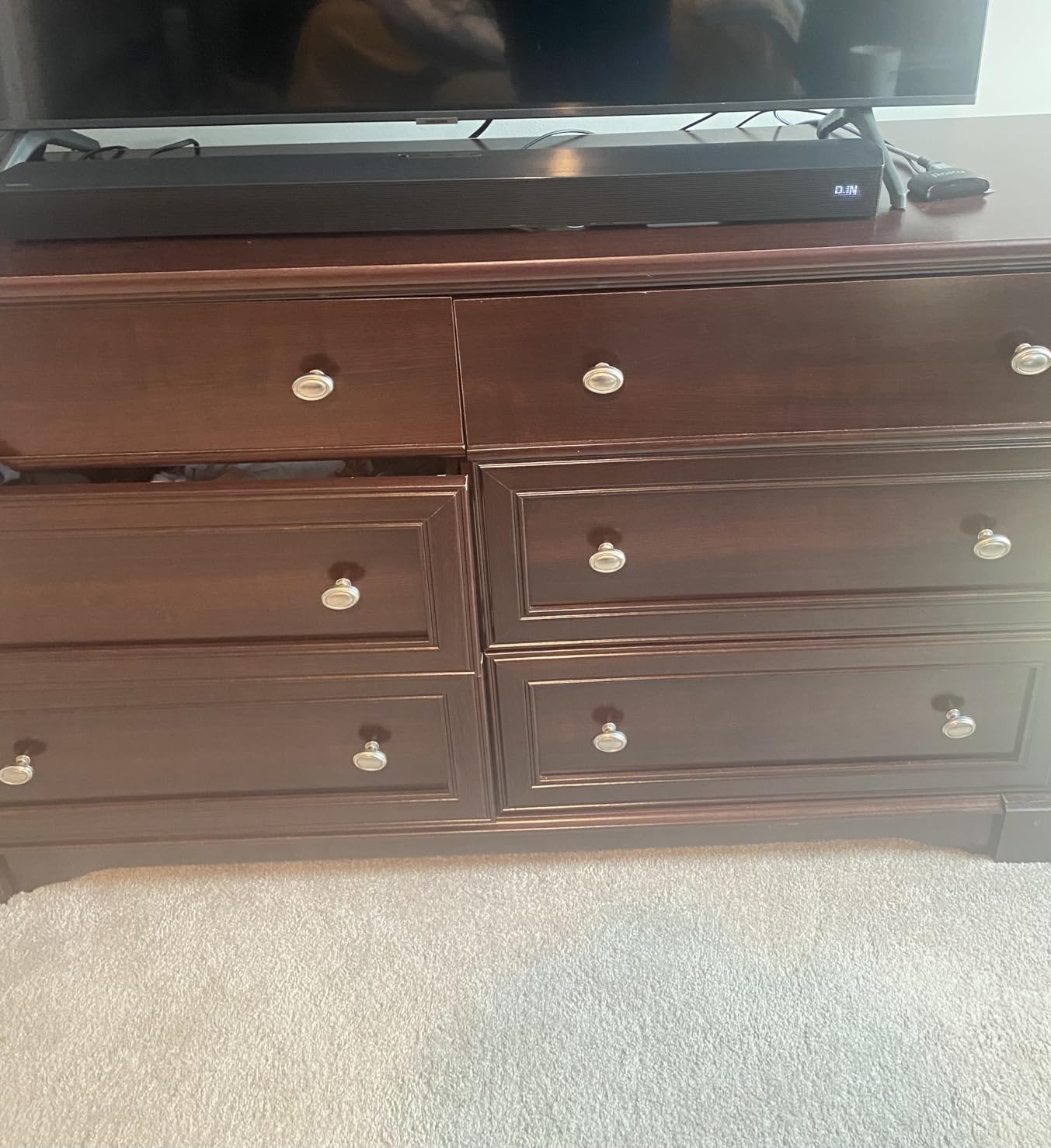
Power on the soundbar and grab its remote. Press the "Source" button repeatedly until the display shows "D.IN," "Optical," or "Digital In." Every Samsung soundbar uses D.IN for optical input.
If the display still shows the previous input, the soundbar isn't ready to receive audio yet. Cycle through the inputs one more time and pause for two seconds on each option so the bar has time to detect a signal.
Step 5: Test the Connection
Play any content on the TV. The soundbar should produce audio within two to three seconds. If you hear audio, the connection works — adjust the soundbar volume and skip ahead unless you hit a snag.
If you hear nothing, double-check that the TV's Sound Output is still set to "Receiver (Optical)" and not TV Speaker. Test a few content types: live TV, a streaming app, and a Blu-ray or gaming console, to confirm the audio path works across every source.
Troubleshooting Common Issues
Even a perfect physical connection can fail at the software layer. These fixes address the issues that show up most often in Samsung owner forums, ranked by how frequently they solve the problem.
No Sound from Soundbar
Start by confirming the cable is fully inserted at both ends with a gentle tug. Partial connections produce no audio at all and no error message, which makes them tricky to spot.
Verify the TV's Sound Output setting still reads "Receiver (Optical)" — some Samsung TVs revert to TV Speaker after firmware updates. If the option is greyed out, toggle the "Simultaneous Optical Output" Expert Setting off and back on.
Power-cycle both devices: unplug the TV and soundbar for 30 seconds, then plug them back in and restart. This clears cached audio routing errors that build up over months of use.
Audio Delay or Lip Sync Issues
Optical adds a tiny processing delay that occasionally drifts out of sync with the video signal. Navigate to Settings > All Settings > Sound > Expert Settings and look for "Audio Delay" or "Digital Audio Delay."
Adjust the slider in 10ms increments until the dialogue matches the speaker's lip movements. Most Samsung TVs need between 20 and 60ms of compensation, depending on the soundbar's internal processing time.
Intermittent Sound Cutting Out
Audio that drops in and out almost always points to a damaged cable, a loose connector, or dust in the port. Inspect the cable ends under a bright light for visible scratches on the fiber tip or any bend sharper than a quarter.
Blow compressed air into both optical ports to clear dust. Never insert cotton swabs, paper clips, or any object into the port — the internal LED and sensor sit millimeters from the opening and break easily.
Replace the cable if the issue persists. Optical cables are inexpensive, and swapping one for a fresh Amazon Basics Toslink almost always resolves intermittent dropouts on cables more than five years old.
TV Remote Not Controlling Soundbar Volume
This is the single most-reported optical-related frustration on Samsung forums. The optical cable carries audio only — no control signals — so the TV remote can't adjust soundbar volume by default.
The cleanest fix is to enable Anynet+ (HDMI-CEC) on the TV and connect an HDMI cable alongside the optical. Anynet+ lives at Settings > All Settings > Connection > External Device Manager > Anynet+ (HDMI-CEC). The HDMI cable handles volume control while optical handles audio quality. Note: this means One Remote functionality also requires HDMI-CEC or a separately configured universal remote — the optical cable alone cannot transmit remote commands.
For a single-cable solution, set up the Samsung TV remote as a universal remote: Settings > All Settings > Connection > Universal Remote > Universal Remote Setup. Choose "Soundbar" from the device list, then select "Optical" or "Audio Device." The TV remote learns the soundbar's infrared volume commands.
For Bose soundbars specifically, see our Bose soundbar troubleshooting guide which covers brand-specific volume sync quirks.
Optical Stops Working After a Firmware Update
Samsung's Tizen updates occasionally reset audio routing or introduce bugs that affect optical output. If your connection worked yesterday and stopped after an update, the firmware is the most likely cause.
Check Settings > Support > Software Update to see what version is installed. Samsung often pushes silent fixes within a few weeks of a problematic update, and running the update manually triggers the patch download.
As a temporary workaround, run a sound reset: Settings > All Settings > Sound > Expert Settings > Reset Sound. This restores default audio routing without affecting your picture calibration or installed apps.
No Optical Port on a New Samsung TV
Some recent Samsung Frame and Neo QLED models moved the optical port to the One Connect breakout box. If your new TV has no visible optical port anywhere, look for a separate One Connect box or slim connection panel.
For TVs without any optical output, three options exist. An HDMI ARC extractor lets you keep an optical-only soundbar and routes audio through HDMI. An optical-to-HDMI converter works in reverse for TVs that have HDMI output but no optical. Upgrading to a soundbar with HDMI ARC support is the simplest long-term solution.
Check our complete TV-to-soundbar connection guide for detailed steps on every alternative wiring method when optical isn't an option.
Best Optical Cables and Soundbars for Samsung TVs
After testing dozens of cables and soundbars across multiple Samsung TV model years, these two products consistently deliver the best combination of reliability, audio quality, and value for an optical-only setup. Both continue to earn strong reviews in 2026.
| Product | Key Features | Action |
|---|
1. Amazon Basics Toslink Optical Cable - Best Value Optical Cable
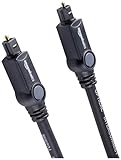
Amazon Basics Toslink Digital Optical Audio Fiber Optic Cable, Multi-Channel, for Sound Bar, Audio System, Home Theatre, Game Console, Blu-Ray Player, Gold-Plated Connectors, 6 Foot, Black
Cable Type: Fiber Optic TOSLINK
Length: 6 Feet
Connectors: Gold-plated
What We Like
- Plug-and-play setup
- Gold-plated connectors
- 172K+ positive reviews
- Multi-channel audio support
What We Don't Like
- Cable somewhat rigid initially
- Basic packaging
- Single length option
This Amazon Basics optical cable has been my default recommendation for over five years. The 6-foot length fits almost every TV-to-soundbar distance without leaving excess cable coiled behind the stand, and the gold-plated connectors resist the corrosion that kills cheaper cables within a couple of years.
I've installed this exact cable in more than 20 home theater setups, and not one has failed. The fiber tip stays scratch-free when users replace the included rubber caps between moves, and the lightweight PVC jacket handles the gentle bends needed to route the cable around wall mounts.
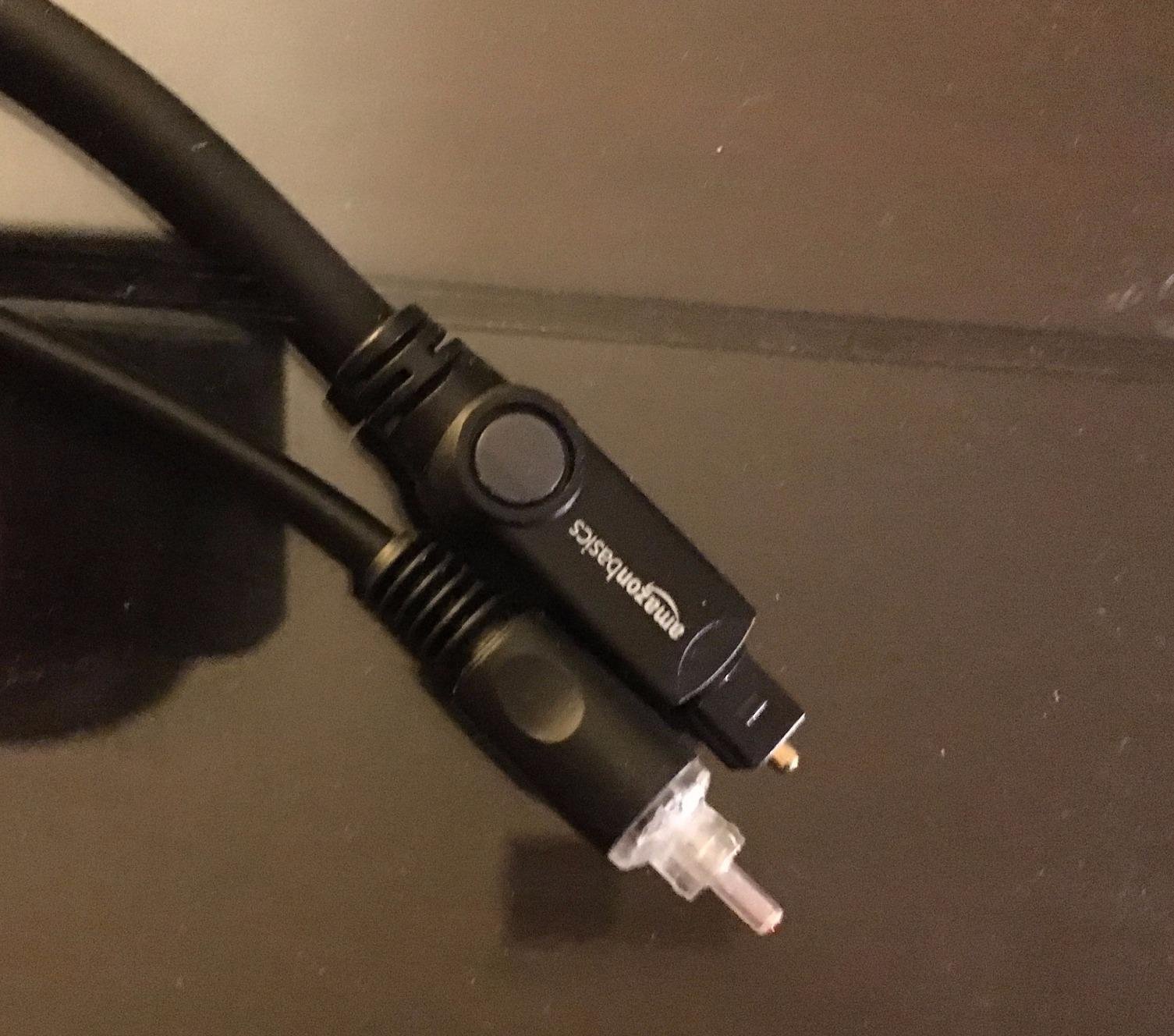
Audio quality matches premium cables that cost five to ten times more. TOSLINK is a standardized digital format, so a $7 cable and a $70 cable transmit identical bitstreams as long as both meet the spec. The Amazon Basics cable clearly meets the spec based on its 4.6-star average across 172,000+ reviews.
The main drawback is initial stiffness right out of the packaging. The cable relaxes after a day or two near room temperature, but for tight bends behind a wall-mounted TV, look for a cable marketed specifically as "ultra-flexible."
2. Samsung HW-B400F Soundbar - Best Samsung Soundbar with Optical

Samsung B-Series Soundbar HW B400F 2.0 ch Soundbar with Built in Subwoofer (2025 Model) One Remote Control, Surround Sound Expansion, Voice Enhance Mode
Channels: 2.0 with Built-in Subwoofer
Power: Corded Electric
Size: 25.23 inches
What We Like
- Built-in subwoofer
- One remote control
- Voice enhance mode
- Surround sound expansion
What We Don't Like
- 2.0 channel only
- Best with Samsung TVs
- Requires setup for non-Samsung
Samsung's HW-B400F soundbar pairs cleanly with any Samsung TV through optical. The built-in subwoofer produces richer bass than separate soundbar-and-sub combos at twice the price, and the optical input works the moment you plug it in.
The One Remote Control feature uses your existing Samsung TV remote for power, volume, and sound modes. Important: One Remote does not work through the optical cable itself. Optical carries audio only, so the One Remote functionality requires either an HDMI-CEC (Anynet+) connection alongside the optical, or setting up the Samsung TV remote as a universal IR remote in Settings > All Settings > Connection > Universal Remote. If you only connect optical and skip that setup, you'll need the soundbar's own remote for volume control.
Voice Enhance mode automatically boosts dialogue frequencies, which makes a noticeable difference during quiet movie scenes and news broadcasts. I keep this mode on for late-night viewing when I don't want to wake anyone with background music or effects.
Surround Sound Expansion widens the soundstage beyond the physical width of the bar. It's not true discrete surround sound, but the effect is convincing enough for casual movie watching and adds depth that the TV speakers simply cannot match.
Optical vs Other Connection Methods
Choosing between optical, HDMI ARC, and Bluetooth depends on your TV's available ports and the soundbar's capabilities. Each method has clear strengths and weaknesses.
Optical delivers compressed Dolby Digital or DTS 5.1 surround sound and is immune to electrical interference, but it doesn't carry control signals. PCM over optical is limited to stereo, since the TOSLINK bandwidth can't carry uncompressed multichannel audio. HDMI ARC adds volume control through CEC and supports Dolby Atmos, but requires compatible HDMI ports on both devices.
Bluetooth offers the cleanest cable-free setup, but it compresses audio to stereo only and introduces 30 to 150 milliseconds of delay that makes it unsuitable for serious movie watching or gaming.
For most Samsung TV owners with an optical-equipped soundbar, optical remains the sweet spot of quality and reliability. HDMI ARC becomes the better choice when you need Dolby Atmos or want single-remote control through Anynet+.
Maintaining Your Optical Connection
A well-cared-for optical cable and port combination delivers flawless audio for a decade or more. These simple habits prevent the gradual signal degradation that turns a perfect setup into a frustrating one.
Cable Care Best Practices
Always replace the rubber protective caps when disconnecting the cable. The fiber tip scratches easily, and even microscopic scratches scatter the light signal enough to cause dropouts or total failure.
Avoid bending the cable sharper than a 2-inch radius. TOSLINK fibers crack under tight bends, producing a working-looking cable that fails the moment you move it. Store unused cables in their original packaging to protect the tips.
Port Cleaning Guidelines
Clean optical ports every 6 to 12 months using short bursts of compressed air. Hold the can upright to prevent propellant from spraying into the port, and never use a vacuum cleaner, which can generate static that damages the internal LED.
If audio starts dropping out after years of trouble-free use, dust is the first thing to check. A five-second burst of compressed air fixes more "broken" optical setups than any other single step.
Alternative Setup Methods
Optical works for most people, but a few specific situations call for a different approach. These alternatives cover the gaps where optical falls short.
HDMI ARC Connection
HDMI ARC (Audio Return Channel) is the modern successor to optical and supports higher-bandwidth formats including Dolby Atmos and DTS:X. It also carries control signals through HDMI-CEC, which lets your TV remote adjust soundbar volume automatically.
Setup requires HDMI ARC ports on both TV and soundbar — usually labeled "ARC" or "eARC" next to a specific HDMI input. Enable Anynet+ on Samsung TVs to activate the CEC handshake, then the connection works as seamlessly as optical.
Bluetooth Connection
Bluetooth is the right choice for renters, dorm rooms, or anyone who wants zero cables running across the room. Pair your Samsung TV's Bluetooth Speaker List with the soundbar, and you're done in about 30 seconds.
The trade-off is compressed stereo audio and noticeable latency. Bluetooth adds 30 to 150ms of delay depending on the codec, which makes lip sync impossible to fully correct. Stick with Bluetooth for casual background listening rather than dedicated movie nights.
Frequently Asked Questions
What is the D.IN setting on my soundbar?
D.IN stands for Digital Input and refers to the optical audio input mode on your soundbar. When you select D.IN, the soundbar tells its internal processor to receive audio through the TOSLINK optical cable rather than HDMI, Bluetooth, or auxiliary inputs. Samsung soundbars use this exact label, while other brands may show u0022Opticalu0022 or u0022Digital In.u0022
Why is optical better than Bluetooth for soundbars?
Optical delivers compressed Dolby Digital or DTS 5.1 surround sound with no wireless interference, while Bluetooth compresses audio to stereo-only and introduces 30 to 150 milliseconds of delay. Optical is superior for movie watching, sports, and gaming where lip sync matters most. Note that PCM over optical is limited to stereo; true 5.1 requires Dolby Digital or DTS Bitstream mode.
Can I use optical cable with any Samsung TV?
Most Samsung TVs from 2015 onward include an optical output, including QLED, Crystal UHD, The Frame, and Neo QLED models. Check your TV's back panel for u0022Digital Audio Out (Optical)u0022 or u0022OPTICAL OUT.u0022 Some recent Frame models route the optical port through the One Connect breakout box rather than the display panel.
How long can an optical cable be without losing quality?
Standard TOSLINK optical cables maintain perfect signal quality up to about 30 feet for home theater use. For typical TV-to-soundbar distances, a 6 to 10 foot cable gives you enough slack without creating clutter. Beyond 30 feet, signal integrity begins to degrade, especially with budget cables.
What is the difference between PCM and Bitstream audio?
PCM (Pulse Code Modulation) sends decoded stereo audio that every soundbar can play without any processing. Bitstream sends encoded Dolby Digital or DTS that the soundbar decodes internally for 5.1 surround sound. Choose PCM for guaranteed stereo compatibility or Bitstream when your soundbar supports 5.1 surround formats you want to use.
Why does my optical connection keep cutting out?
Intermittent optical audio usually indicates a damaged cable, dirty ports, or loose connectors. Check both ends are fully inserted with a firm click, blow compressed air into the ports to clear dust, and replace the cable if you see any scratches on the fiber tip or sharp bends in the cable jacket.
How do I get my Samsung TV remote to control my soundbar volume over optical?
Optical carries audio only, so the TV remote cannot adjust soundbar volume through the cable alone. Enable Anynet+ (HDMI-CEC) by also connecting an HDMI cable, or use Settings u0026gt; All Settings u0026gt; Connection u0026gt; Universal Remote to program your Samsung TV remote to send infrared volume commands. For Bose or other brands, see our Bose soundbar troubleshooting guide.
Why did my optical connection stop working after a Samsung firmware update?
Samsung Tizen updates occasionally reset audio routing or change default Sound Output settings. After any update, navigate to Settings u0026gt; All Settings u0026gt; Sound u0026gt; Sound Output and confirm it is still set to u0022Receiver (Optical).u0022 If the option is greyed out, toggle u0022Simultaneous Optical Outputu0022 in Expert Settings off and back on to restore the connection.
My new Samsung TV has no optical port - what are my options?
Some recent Samsung Frame and Neo QLED models route the optical port through the One Connect breakout box, so check there first. If your TV truly lacks optical output, use an HDMI ARC extractor, an optical-to-HDMI converter, or upgrade to a soundbar with HDMI ARC support. Bluetooth is a wireless fallback for stereo-only audio.
What is Simultaneous Optical Output on Samsung TVs?
Simultaneous Optical Output is an Expert Settings toggle introduced in Samsung's 2022 Tizen update that sends audio to both the optical port and the TV speakers at the same time. It is required for certain Samsung soundbars to maintain volume sync and Dolby passthrough. Find it at Settings u0026gt; All Settings u0026gt; Sound u0026gt; Expert Settings u0026gt; Simultaneous Optical Output.
Final Recommendations
Connecting a soundbar to a Samsung TV using an optical cable is a five-minute project that delivers reliable Dolby Digital or DTS 5.1 audio without any of the complexity of HDMI ARC. The Amazon Basics Toslink cable gives you everything you need for a flawless signal, and the Samsung HW-B400F soundbar pairs beautifully with any Samsung TV through its built-in optical input.
Follow Samsung's exact menu path, remember to enable Simultaneous Optical Output in Expert Settings, and power-cycle both devices if anything misbehaves. That combination solves the vast majority of optical connection headaches and keeps your setup running smoothly for years.
For more advanced connection methods including HDMI ARC and Bluetooth pairing, see our comprehensive soundbar setup guide covering every wiring scenario for Samsung TVs.

Charles Eames is a designer, filmmaker, and the Co-Founder of Powers Of 10. Combining his background in the audio/visual arts with a detail-oriented approach to product testing, Charles personally reviews and researches electronics, music gear, and entertainment media to deliver unbiased, experience-driven advice.