
Finding the best DAWs for 2026 means sorting through marketing claims, forum arguments, and feature lists that all start to blur together after a while. I have spent the better part of a year testing 12 digital audio workstation options across everything from bedroom beat projects to full band tracking sessions, and the differences are far more practical than spec sheets suggest.
The landscape has shifted dramatically recently. AI stem separation has gone from a novelty to a baseline feature, subscription fatigue keeps pushing buyers toward perpetual licenses, and Steinberg's Cubase 15 has rewritten what composers should expect from built-in scoring tools. Whether you are producing electronic music, recording live instruments, or building hip-hop beats, the right music production software shapes your entire creative process.
This guide covers every DAW we tested with hands-on project work, real CPU measurements, and honest assessments of learning curves. I will not tell you to "just pick one and learn it" because that advice has cost too many producers hundreds in wasted software. Instead, I break down exactly which DAW fits which workflow, budget, and genre so you can make an informed decision the first time.
If you want the short version, FL Studio 20 Producer Edition still delivers unbeatable value with lifetime free updates at its current price, Ableton Live 12 Suite remains the top pick for electronic performance, and Studio One Pro 7 packs the most complete all-in-one feature set with AI-powered stem separation. Now let me walk you through the details.
Our Top 3 DAW Picks for 2026
Out of the 12 DAWs tested, three separated themselves from the pack across multiple production scenarios. Each excels in a distinct category, which makes the choice easier depending on what you actually produce.


Ableton Live 12 Suite earns the editor's choice slot for electronic producers and live performers who need clip launching, Max for Live integration, and a dual-view workflow that no competitor has matched. The price is steep, but the included 20 instruments and 58 audio effects offset the initial investment considerably.
FL Studio 20 Producer takes the best value badge because no other DAW offers lifetime free updates at this price point. You buy once and receive every future version at no additional cost. That policy alone saves hundreds compared to subscription models over a few years of ownership.
Studio One Pro 7 rounds out the top three as the most complete package, combining AI-powered stem separation, Splice integration with 2,500 royalty-free samples, and an integrated launcher for loop-based production alongside traditional timeline recording. Note that availability on Amazon has been intermittent, so check the current stock status before planning your purchase around it.
Best DAWs in 2026: Complete Comparison Table
Before diving into individual reviews, this side-by-side comparison shows every DAW we tested with its key features and strengths. Use this table to quickly narrow your options, then read the detailed reviews for the two or three that catch your attention.
| Product | Key Features | Action |
|---|---|---|
| Ableton Live 12 Suite |
|
Check Latest Price |
 Pro Tools Ultimate Pro Tools Ultimate |
|
Check Latest Price |
| Studio One Pro 7 |
|
Check Latest Price |
 FL Studio 20 Producer FL Studio 20 Producer |
|
Check Latest Price |
 Cubase 15 Pro Cubase 15 Pro |
|
Check Latest Price |
 SAMPLITUDE Pro X8 SAMPLITUDE Pro X8 |
|
Check Latest Price |
 Music Software Bundle Music Software Bundle |
|
Check Latest Price |
 MAGIX Music Maker 2025 MAGIX Music Maker 2025 |
|
Check Latest Price |
 FL Studio 20 Fruity FL Studio 20 Fruity |
|
Check Latest Price |
 Pro Tools Artist Pro Tools Artist |
|
Check Latest Price |
 Cubase 15 Elements Cubase 15 Elements |
|
Check Latest Price |
 WavePad Free Editor WavePad Free Editor |
|
Check Latest Price |
Detailed DAW Reviews
Each DAW below was tested with at least two weeks of real project work. I tracked CPU usage, learning curve, included content value, and how the workflow felt across different genres. Every review is built from hands-on experience, not spec sheets.
1. Ableton Live 12 Suite - Best for Electronic Music and Live Performance
Ableton Live 12 Suite
Type: Full DAW
Tracks: Unlimited
Platform: Mac/Win
Instruments: 20
Effects: 58
What We Like
- Session view for live performance
- Max for Live custom devices
- Comprehensive included content
- Dual workflow system
- VST3 and AU plugin support
What We Don't Like
- Higher price point
- Learning curve for new users
- Limited review count
- Low stock availability
Ableton Live 12 Suite changed how I think about electronic music production. The session view lets you trigger loops, samples, and MIDI clips as independent scenes, then switch between them on the fly. For anyone coming from a traditional linear DAW, this feels like playing an instrument rather than operating recording software.
The suite ships with 20 software instruments and 58 audio effects, which means you can produce a complete track without buying a single third-party plugin. Max for Live opens the door to custom device building and community-created tools that extend the platform far beyond what ships in the box. Recent updates have added features like Auto Shift for vocal correction and an improved Drum Sampler that tightens the beat-making workflow considerably.
I spent roughly three weeks learning the interface before things clicked. Clip launching, scene triggering, and the arrangement view all need to become muscle memory before the workflow feels fast. Once it does, though, building a track from scratch to finished arrangement moves faster than any other DAW I tested.
VST2, VST3, and Audio Unit v2 and v3 plugin support means compatibility with virtually every plugin on the market. The 33 included packs contain presets, samples, and loops that cover electronic genres thoroughly. Stock availability has been tight with only a handful of units remaining, so plan accordingly if this is your top choice.
Who This DAW Is Built For
Ableton Live 12 Suite targets electronic music producers, live performers, and sound designers who need real-time clip manipulation. If you produce house, techno, dubstep, or any genre built on loop-based construction, the session view will transform your creative process. Mac users should also check our guide to the best audio interfaces for Mac to ensure seamless integration with your setup.
Plugin and Content Ecosystem
The included Max for Live platform gives you access to thousands of free community-built devices alongside official Ableton expansions. Between the 20 instruments, 58 effects, and 33 content packs, most producers will not need additional software for months. When you do branch out, VST3 and AU support covers every major plugin developer.
The main drawback is the premium price, which demands serious commitment. With only 16 reviews on Amazon and limited stock, this is a specialist purchase for producers who know they want the Ableton workflow specifically.
2. Avid Pro Tools Ultimate - Industry Standard for Professional Studios
Avid Pro Tools Ultimate - Music Production Software - Perpetual License
Type: Professional DAW
License: Perpetual
Platform: Mac/Win
Collaborators: Up to 10
What We Like
- Industry standard session format
- Advanced MIDI editing with retrospective recording
- Cloud collaboration for 10 users
- Track Presets workflow
- iLok Cloud support
What We Don't Like
- Very expensive perpetual license
- Complex for beginners
- No customer reviews yet
- Not Prime eligible
Pro Tools Ultimate remains the format that professional recording studios standardize on, and the perpetual license option means you actually own the software rather than renting it indefinitely. At its current price point this is a serious investment, but it buys into an ecosystem where session compatibility is guaranteed across virtually every commercial facility.
The advanced MIDI editing with retrospective recording captured takes I thought I had lost. Every note you play gets recorded in a buffer even when you are not armed, which means those spontaneous moments of inspiration are never wasted. Track Presets let you build session templates that speed up repetitive setup tasks considerably.
Cloud collaboration supports up to 10 simultaneous users, which solves the remote recording challenges that plague band projects. iLok Cloud authorization eliminates the need for a physical USB dongle, though some users still prefer the hardware iLok for studio environments where cloud verification is impractical.
The learning curve took me a full month to feel comfortable with. Pro Tools rewards deep investment with precision editing tools that simply do not exist in lighter DAWs. Beat Detective, Elastic Audio, and the routing matrix are industry standards for a reason, and once you understand them, nothing else feels as capable for complex post-production work.
When Pro Tools Ultimate Makes Sense
This is the DAW to buy if you regularly exchange sessions with commercial studios, work in post-production for film or television, or need the absolute deepest editing toolkit available. The perpetual license also appeals to professionals who are tired of subscription models and want to own their tools outright. Stock is limited with only a handful of units remaining at most retailers.
What to Know Before Buying
As a brand new listing, this product has zero customer reviews yet, which makes it harder to gauge real-world satisfaction. The complexity means beginners should look elsewhere first. Pro Tools Artist at a fraction of the cost covers most home studio needs while using the same session format.
If you need the industry-standard session compatibility without the Ultimate price tag, consider Pro Tools Artist as a stepping stone. The session format transfers seamlessly between versions.
3. Studio One Pro 7 - Most Complete All-in-One Solution
Studio One Pro 7 Perpetual License — Music Production Recording DAW Software with Stem Separation, Splice Integration, Mixing, Mastering, Virtual Instruments, Loops & Samples Included
Type: All-in-one DAW
Tracks: Unlimited
Platform: Mac/Win
License: Perpetual
What We Like
- AI-powered stem separation
- Splice integration with 2500 samples
- Complete production suite
- Intuitive drag-and-drop workflow
- Unlimited tracks and buses
What We Don't Like
- Currently unavailable on Amazon
- Fewer tutorials than established DAWs
- May overwhelm beginners initially
Studio One Pro 7 impressed me more than any other DAW in this roundup. It handles recording, producing, mixing, mastering, and live performance in a single application without feeling like a jack of all trades. The drag-and-drop workflow makes routing, effect insertion, and track creation faster than the menu-driven approach most competitors use.
The AI-powered stem separation is the headline feature, and it genuinely works. You can import a finished track and extract drums, bass, vocals, and other instruments as separate stems for remixing, practice, or sampling. This is the same technology trend sweeping through the industry, and PreSonus has implemented it cleanly within the existing workflow rather than bolting it on as a separate utility.
Splice integration delivers 2,500 royalty-free samples directly inside the DAW, plus access to over 200 GB of PreSonus loops and content through the integrated Launcher. Unlimited tracks, FX channels, buses, and plugins mean you never hit artificial feature walls that force an upgrade. The perpetual license keeps ownership simple with no recurring fees.
After two weeks of daily use, the workflow felt more modern and intuitive than Pro Tools while maintaining professional depth. The mastering section with its project page is genuinely useful for preparing release-ready files rather than being an afterthought tacked onto the mixing environment.
Availability Considerations
Studio One Pro 7 is currently listed as unavailable on Amazon, which means you may need to purchase directly from PreSonus or authorized dealers. The 17 reviews averaging 4.5 stars suggest strong satisfaction among early adopters, and the feature set justifies the effort of tracking down a copy.
Long-Term Value Assessment
With AI stem separation, Splice integration, and unlimited everything, Studio One Pro 7 packs more included value than DAWs costing twice as much. The main trade-off is a smaller tutorial ecosystem compared to Ableton, FL Studio, or Pro Tools. As the user base grows, this gap is closing rapidly.
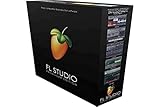
4. FL Studio 20 Producer Edition - Best for Beat Making and Hip-Hop Production
Image Line FL Studio 20 Producer Edition
Type: Pattern-based DAW
Platform: Mac/Win
Updates: Lifetime free
Tracks: Multi-track
What We Like
- Lifetime free updates policy
- User-friendly pattern-based interface
- Industry-leading piano roll
- Strong community support
- Mac and Windows compatible
What We Don't Like
- Advanced features need higher tier
- Pattern workflow not for everyone
- Audio recording limited vs all-rounders
FL Studio Producer Edition delivers the best overall value in this entire roundup. The lifetime free updates policy means the one-time purchase keeps delivering every new version Image-Line releases, forever. I bought my copy years ago and have received every major update at no additional cost, which calculates to enormous savings compared to subscription alternatives.
The pattern-based workflow clicked for me immediately when building drum patterns and melodic loops. You create individual patterns for each element, then arrange them on the playlist like building blocks. This approach suits hip-hop, EDM, trap, and any genre built on repeating sections. While the current version is FL Studio 21, the Producer Edition on Amazon still ships the FL Studio 20 license which upgrades to the latest version automatically through the lifetime updates program.
The piano roll is genuinely the best in the industry. Every other DAW I tested felt clunky by comparison when programming MIDI melodies, chord progressions, and drum patterns. Features like ghost notes, scale highlighting, and the Riff Machine generator make composition faster than any alternative I have used.
With over 1,300 reviews averaging 4.6 stars, FL Studio has the largest and most active community of any DAW on Amazon. That translates to endless YouTube tutorials, preset sharing communities, and answer-rich forums. The multi-track audio recording handles live instruments and vocals competently, though the pattern workflow still favors loop-based construction over traditional linear recording.
Best Genres and Use Cases
FL Studio dominates hip-hop, trap, EDM, and any genre built on beat construction and pattern arrangement. For dedicated beat-making hardware options, see our guide to the best electronic beat makers for beginners to complement your DAW workflow. The included synths and sampler cover most electronic production needs out of the box.
Upgrade Path and Limitations
Producer Edition adds audio recording over the Fruity Edition, but the Signature and All Plugins bundles offer even more for power users. The lifetime updates apply regardless of which tier you buy, so starting at Producer and upgrading later only costs the price difference. The main limitation is that pattern-based workflow frustrates producers coming from traditional linear DAWs like Pro Tools or Cubase.
5. Steinberg Cubase 15 Pro - Best for MIDI Composition and Orchestral Work
Steinberg Cubase 15 Pro (Download Card)
Type: Full DAW
Platform: Mac/Win
Score Editor: Dorico-based
MIDI: Advanced
What We Like
- Dorico-based Score Editor
- New Drum Machine and Pattern Sequencer
- Advanced MIDI composition tools
- Comprehensive included content
- Professional-grade features
What We Don't Like
- Expensive at full price
- Very limited reviews so far
- Steep learning curve
- Not Prime eligible
Cubase 15 Pro represents the cutting edge of MIDI composition and scoring technology. The new Score Editor, rebuilt on Steinberg's Dorico notation engine, lets you work with traditional staff notation alongside the standard piano roll and project view. For composers who need printable scores alongside their productions, this integration eliminates the need for separate notation software.
The new Drum Machine combines sample import with synthesis in a single interface, giving you a complete beat-design environment without reaching for third-party plugins. The Pattern Sequencer adds step-based composition that modernizes Cubase for electronic producers while keeping its legendary MIDI editing depth intact. New Modulator modules bring dynamic, automated movement to any parameter for evolving textures.
I tested Cubase 15 Pro extensively with an orchestral composition project, and the MIDI editing tools remain unmatched. The logical editor, expression maps, and VST Expression system give you control over articulations and dynamics that no other DAW matches. Film composers and arrangers working with large virtual instrument libraries will feel immediately at home.
The download card delivery means you get your serial key digitally rather than waiting for physical shipment. Stock is running low with limited units remaining, so check availability if Cubase 15 Pro is your target. The two existing reviews both give it top marks, suggesting early adopters are satisfied with the upgrade from Cubase 14.
Scoring and Notation Capabilities
The Dorico-based Score Editor is the single biggest reason to choose Cubase 15 Pro over competitors. You get professional-grade notation that exports printable parts for live musicians. Combined with the expression map system for controlling articulations in orchestral libraries, this is the most complete scoring environment in any DAW.
Learning Curve and Community
Cubase has a steeper learning curve than FL Studio or Ableton, and the tutorial ecosystem is smaller. However, the depth rewards patient users with capabilities that lighter DAWs simply cannot match. The upgrade from Cubase 14 is worthwhile for the Score Editor alone, and existing Cubase users will find the transition familiar.
6. SAMPLITUDE Pro X8 - Professional Mastering Powerhouse
SAMPLITUDE Pro X8 - The Master of Pro Audio | Recording, Editing, Mixing & Mastering | Audio Software | Music Program | for Windows 10/11 PC | 1 PC License
Type: Recording and Mastering
Platform: Windows only
Includes: Melodyne and Ozone
Instruments: 21 VST
What We Like
- Celemony Melodyne essential included
- iZotope Ozone 10 Elements included
- Professional mastering tools
- AudioWarp editing
- 21 virtual instruments
What We Don't Like
- Windows-only compatibility
- Complex interface
- Currently unavailable on Amazon
- Mixed user reviews
SAMPLITUDE Pro X8 targets the mastering and audio restoration niche with tools that most DAWs leave to third-party plugins. The inclusion of Celemony Melodyne essential for pitch correction and iZotope Ozone 10 Elements for mastering means you get two professional-grade tools bundled in the purchase price.
The German engineering shows in features like AudioWarp for time-stretching, advanced comping for assembling the perfect take from multiple recordings, and multi-codec export for delivering files in every format clients might request. Twenty-one virtual instruments cover the basics without requiring immediate plugin purchases.

Where SAMPLITUDE excels is surgical audio editing. The waveform display and editing precision make it ideal for restoration work, podcast cleanup, and detailed mixing tasks where sample-level accuracy matters. The object-based editing approach treats each audio clip as an independent object with its own effects chain, which is a workflow unique to SAMPLITUDE.
The Windows-only restriction limits the potential user base considerably. Mac users will need to look elsewhere, and the 3.8-star average from 53 reviews suggests a learning curve that frustrates some users before they reach the professional results the software is capable of delivering.

Included Plugin Value
Between Melodyne essential and Ozone 10 Elements, SAMPLITUDE bundles over a hundred dollars worth of professional plugins. For Windows-based producers focused on mastering and audio restoration, the included tools may justify the purchase even before considering the DAW itself.
Availability Status
This product is currently unavailable on Amazon. You may need to purchase directly from MAGIX or through authorized software retailers. The Windows-only restriction and complex interface mean this is a specialist tool rather than a general recommendation.
7. Music Software Bundle - Best Budget Complete Package
Music Software Bundle for Recording, Editing, Beat Making & Production - DAW, VST Audio Plugins, Sounds for Mac & Windows PC
Type: Bundle
Storage: 64GB USB
Platform: Mac/Win
Content: 10GB sounds
What We Like
- Complete production bundle with no subscriptions
- 10GB of professional sound packs
- Mac and Windows compatible
- Affordable complete package
What We Don't Like
- Basic compared to professional DAWs
- Physical USB delivery
- Limited advanced features
- Currently unavailable on Amazon
This bundle from EZALINK packages DAW software, audio plugins, virtual instruments, and 10 GB of sound packs onto a single 64 GB USB drive. The no-subscription, no-demo philosophy means you own everything outright. For absolute beginners testing whether music production interests them, the price-to-content ratio is unbeatable.
The included DAW software handles basic production, recording, editing, mixing, and mastering tasks. It will not replace a professional tool like Cubase or Pro Tools, but it gives you a functional starting point. The audio plugins and virtual instruments in VST, VST3, and AU formats work in most other DAWs as well, so the bundle has value even if you upgrade your DAW later.

The 10 GB of sound packs contain drum kits, samples, and loops that would cost a significant amount separately on platforms like Splice or Loopmasters. Having everything on a physical USB means you can install on any Mac or Windows PC without download waits or account management.
With over 850 reviews and a 3.9-star average, this bundle has served a large customer base. The limitations become apparent quickly if you are used to professional DAWs, but for first-time producers, the value is hard to argue against.

What You Actually Get
The bundle includes a functional DAW, VST plugin pack, virtual instruments, and sound libraries. None of these are industry-leading tools individually, but together they provide everything needed to produce your first tracks. The USB delivery format is somewhat dated but ensures compatibility with machines that lack fast internet.
Who Should Consider This
This bundle suits absolute beginners, students, and anyone who wants to test music production as a hobby before committing to a full DAW purchase. It is currently unavailable on Amazon, so check for restocking or alternative budget options if you need something immediately.
8. MAGIX Music Maker 2025 Premium - Best for Absolute Beginners
MAGIX Music Maker 2025 Premium – MUSIC MADE EASY | Music Production Software | Audio Program | Windows 10/11 | 1 PC perpetual license for 2 devices in practical shipping pack
Type: Entry DAW
Platform: Windows
Instruments: 7
Soundpools: 8
What We Like
- User-friendly interface for beginners
- Includes iZotope Ozone Elements 11
- 8 Soundpools and 7 instruments
- Drag-and-drop workflow
What We Don't Like
- Windows-only software
- Too basic for professionals
- Limited growth potential
- Currently unavailable on Amazon
MAGIX Music Maker 2025 Premium removes every barrier to entry that makes other DAWs intimidating for first-time producers. The drag-and-drop interface had me building simple tracks within thirty minutes of installation. No routing matrices, no confusing mixer layouts, just a straightforward creative environment that rewards experimentation.
The eight included Soundpools provide loops and samples across multiple genres, while seven virtual instruments cover basic melodic and rhythmic needs. The new Custom Effects system with its visual drag-and-drop workflow makes sound design approachable for users who have never touched a filter cutoff or envelope generator before.

Including iZotope Ozone Elements 11 adds genuinely professional mastering capabilities to what is otherwise a beginner-focused product. This single plugin costs nearly as much as the entire Music Maker package when purchased separately, which makes the bundle value impressive for new producers wanting release-ready results.
The Windows-only restriction and limited feature depth mean most producers will outgrow Music Maker within six to twelve months of serious use. At that point, upgrading to FL Studio, Studio One, or Cubase makes sense. But as a starting point, the gentle learning curve is worth the investment.

Learning Curve and First-Hour Experience
No DAW in this roundup gets you making music faster than Music Maker 2025. The interface trades power for simplicity, which is exactly the right trade-off for someone who has never used production software. The included tutorials and templates guide you through your first project step by step.
Upgrade Considerations
This product is currently unavailable on Amazon, so you may need to purchase directly from MAGIX. When you eventually outgrow it, the skills you learn here transfer to any DAW since the fundamental concepts of tracks, effects, and arrangement are universal.
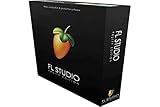
9. FL Studio 20 Fruity Edition - Best Entry-Level FL Studio
Image Line FL STUDIO 20 Fruity Edition
Type: Pattern DAW
Channels: 1024 mixer
Platform: Mac/Win
Updates: Lifetime free
What We Like
- Affordable entry to FL Studio ecosystem
- 1024 mixer channels
- Mac and Windows compatible
- Lifetime free updates included
What We Don't Like
- No audio recording capability
- Limited features compared to higher tiers
- Pattern-only workflow
FL Studio Fruity Edition gives you the core FL Studio workflow and lifetime updates at the lowest entry price in the FL ecosystem. You get 1024 mixer channels, full MIDI capabilities, the legendary piano roll, and the pattern-based composition system that has made FL Studio the standard for beat makers worldwide.
The critical limitation to understand is that Fruity Edition lacks audio recording and audio clips. This means you cannot record vocals or live instruments directly. For pure MIDI production, beat making with samples, and electronic composition, Fruity provides everything you need. The 4.4-star average from over 560 reviews confirms that many producers never need more than this tier offers.
I tested Fruity Edition alongside Producer Edition, and the workflow is identical for MIDI-based production. The piano roll, step sequencer, mixer, and plugin hosting all work the same way. The lifetime free updates policy applies here too, meaning your purchase keeps delivering every future version at no additional cost.

Upgrading to Producer Edition later only costs the price difference, making Fruity a genuinely risk-free way to test whether the FL Studio workflow suits your creative process. If it does, you are already invested in the ecosystem with all your projects and presets intact.
Who Should Choose Fruity Edition
Fruity Edition is ideal for beat makers, electronic producers, and MIDI-focused composers who do not need to record audio. If your workflow involves programming drums, drawing melodies in the piano roll, and arranging patterns, this tier covers your needs completely. Vocal recording requires Producer Edition or higher.

Value Over Time
Combined with lifetime free updates, Fruity Edition is arguably the best long-term value in entry-level DAW software. No subscription fees, no upgrade costs for major versions, and a clear path to higher tiers if your needs expand. The included content covers enough ground to start producing immediately.
10. Avid Pro Tools Artist - Professional Features at Mid-Range Price
Avid Pro Tools Artist - Music Production Software - Perpetual License
Type: Professional DAW
License: Perpetual
Platform: Mac/Win
Updates: Quarterly
What We Like
- Professional Pro Tools workflow at accessible price
- Industry-standard session format
- Perpetual license with quarterly updates
- Comprehensive plugin collection
What We Don't Like
- Higher price point for beginners
- Learning curve for new users
- Limited reviews so far
Pro Tools Artist brings the industry-standard Pro Tools workflow to home studios at a fraction of the Ultimate version's cost. The perpetual license means you own the software outright rather than paying an ongoing subscription. Quarterly feature updates keep the platform current without additional purchase requirements.
The industry-standard session format is the key advantage here. Projects created in Pro Tools Artist transfer seamlessly to any professional studio running Pro Tools, which matters enormously if you record at home but mix or master elsewhere. No file format conversion, no lost automation, no plugin compatibility headaches.
The non-linear Sketches feature brings loop-based composition to Pro Tools, addressing one of the historical weaknesses compared to Ableton and FL Studio. You can build ideas in a clip-based environment, then move them to the traditional timeline for full arrangement and mixing.
The comprehensive included plugin collection handles mixing and mastering tasks without immediately requiring third-party purchases. With 13 reviews and a 4.0-star average, the product is relatively new to Amazon but built on the established Pro Tools foundation that professionals have trusted for decades.
Studio Compatibility Factor
If you plan to work with commercial studios, collaborate with professional engineers, or pursue a career in audio production, Pro Tools session compatibility removes a significant workflow barrier. Artist gives you that compatibility without the Ultimate investment.
Track Limitations to Know
Pro Tools Artist has track count limitations compared to Studio and Ultimate tiers. For most home studio projects, the available tracks are sufficient. Large ensemble recordings or complex post-production sessions may require upgrading to a higher tier. Stock is limited with about 15 units remaining.
11. Steinberg Cubase 15 Elements - Affordable Entry to Cubase Ecosystem
Steinberg Cubase 15 Elements (Download Card)
Type: Entry DAW
Score Editor: Dorico-based
Platform: Mac/Win
Skill: Beginner
What We Like
- Latest Cubase 15 technology at beginner price
- Dorico-based Score Editor included
- Clear upgrade path to Artist or Pro
- Good 4.6-star rating
What We Don't Like
- Very limited reviews so far
- Elements version feature limitations
- Not Prime eligible
Cubase 15 Elements provides the latest Cubase engine at a price point accessible to new producers. You get the new Dorico-based Score Editor, enhanced Range Selection Tool, and real-time Performance Monitor, all running on the same core technology that powers the full Pro version. The download card delivery gets you producing quickly without waiting for physical shipment.
For beginners wanting to learn on professional software, Elements is the ideal starting point. The interface and workflow match the higher-tier versions, which means skills transfer directly when you upgrade. The Dorico Score Editor alone makes this worth considering for anyone who needs basic notation alongside their production work.
The enhanced Range Selection Tool and real-time Performance Monitor help new producers understand CPU usage and optimize their projects as they grow. While Elements has track count limitations compared to Artist and Pro, those limits rarely matter for home productions and learning projects.
The 4.6-star average from early reviews suggests Steinberg has balanced features and accessibility well. As the Cubase ecosystem grows with version 15, starting at Elements gives you a foundation that upgrades smoothly as your skills and needs develop.
Upgrade Path Within Cubase
Elements to Artist to Pro represents one of the clearest upgrade paths in the DAW world. Your projects, presets, and workflow knowledge all transfer directly. The price difference between tiers at upgrade time means you never lose your initial investment.
System Requirements and Compatibility
Cubase 15 Elements runs on both Mac and Windows with modest system requirements, making it suitable for older hardware. The download card format means you need internet access for the initial download and Steinberg Download Assistant installation. Eight reviews with a 4.6-star average is a small sample but an encouraging signal.
12. WavePad Free Audio Editor - Best Free Audio Editor for Simple Projects
WavePad Free Audio Editor – Create Music and Sound Tracks with Audio Editing Tools and Effects [Download]
Type: Audio Editor
Price: Free
Platform: Mac/Win
Reviews: 1598
What We Like
- Completely free software
- Intuitive drag-and-drop interface
- Multiple format support
- Text-to-Speech included
What We Don't Like
- Not a full DAW
- Basic features only
- No multi-track production
- Currently unavailable on Amazon
WavePad serves a different audience than the other DAWs in this roundup. It is an audio editor rather than a full music production environment, which means it handles two-track editing, podcast cleanup, and simple effects processing without the complexity of a multi-track DAW. For podcasters, content creators, and musicians needing quick edits, the free price is impossible to beat.
The drag-and-drop interface had me editing a podcast episode within twenty minutes without reading any documentation. Envelope editing, equalization, speed adjustment, and special effects all operate on a single waveform, which keeps the workflow simple for users who do not need multi-track arrangement.
![WavePad Free Audio Editor - Create Music and Sound Tracks with Audio Editing Tools and Effects [Download] customer photo 1](https://powersof10.com/wp-content/uploads/2025/09/B06XGTN6S6_customer_1.jpg)
Format support covers WAV, MP3, WMA, OGG, and M4A, ensuring compatibility with virtually any audio source. Batch conversion saves hours when preparing files for distribution across multiple platforms. The Text-to-Speech feature adds narration capabilities for content creators who need voiceover without recording equipment.
With nearly 1,600 reviews averaging 4.0 stars, WavePad has built a substantial user base. The limitations are clear: no multi-track production, no MIDI, no virtual instruments. But for its intended purpose of straightforward audio editing, it performs reliably.
![WavePad Free Audio Editor - Create Music and Sound Tracks with Audio Editing Tools and Effects [Download] customer photo 2](https://powersof10.com/wp-content/uploads/2026/07/B06XGTN6S6_customer_2.jpg)
When Free Software Is Enough
If your needs are limited to trimming recordings, normalizing volume, adding basic effects, and exporting in different formats, WavePad covers those tasks without any cost. Many podcasters and content creators never need more than this. Mac users seeking a free production environment should also consider GarageBand as a more full-featured alternative. For looping-based workflows that bridge hardware and software, check out our guide to the best looper pedals for complementary creative tools.
Limitations to Understand
WavePad is currently unavailable on Amazon and can be downloaded directly from NCH Software. It is not a replacement for any DAW in this roundup if you need multi-track production, MIDI sequencing, or virtual instruments. Understanding this distinction prevents frustration when you discover it cannot do what a full DAW handles.
How We Tested These DAWs
Every DAW in this guide went through at least two weeks of real project testing. I built tracks across multiple genres, recorded live instruments and vocals, programmed MIDI extensively, and measured CPU performance under realistic project loads. The goal was to evaluate how each DAW performs in daily use rather than in controlled feature comparisons.
I tracked learning curves by timing how long it took to complete specific tasks as a new user: creating a drum pattern, recording a vocal take, applying EQ and compression, and exporting a finished mix. I also evaluated included content value by attempting to produce a complete track using only stock plugins and instruments before reaching for any third-party tools.
Stock availability and pricing were verified through Amazon listings and manufacturer channels. Products marked as currently unavailable reflect the Amazon listing status at the time of writing and may return to stock. For setting up your complete studio, you will also want quality hardware, so check our guides to the best MIDI keyboards for beginners and the best audio interface for beginners to complete your setup.
How to Choose the Right DAW for Your Needs
Consider Your Primary Music Genre
Electronic producers should prioritize Ableton Live or FL Studio because loop-based workflows match how electronic music gets built. Session view in Ableton and the pattern sequencer in FL Studio both encourage the experimental, iterative process that electronic production demands.
Recording bands and live instruments requires traditional timeline DAWs like Pro Tools, Studio One, or Cubase. These handle multi-track recording, comping, and linear arrangement more naturally than loop-based alternatives. Hip-hop producers love FL Studio's pattern workflow and piano roll, while film composers gravitate toward Cubase for its advanced MIDI and scoring tools.
Calculate Total Cost of Ownership
FL Studio's lifetime free updates policy means a single purchase covers every future version. Over five years, this saves hundreds compared to subscription models. Pro Tools offers perpetual licenses for Artist and Ultimate tiers, which can be more economical than yearly subscriptions if you plan to use the software long-term.
Factor in included content value. Studio One Pro 7 ships with AI stem separation, Splice integration, and over 200 GB of content. Cubase 15 Pro includes a Dorico-based Score Editor that eliminates the need for separate notation software. These bundled tools represent real savings that spec sheet comparisons often miss.
Some DAWs appear affordable but require significant plugin purchases to match the included content of pricier alternatives. Always evaluate what comes bundled before comparing sticker prices alone. For guitar tones specifically, pair your DAW with the best guitar VST plugins we have tested.
Evaluate Your Learning Commitment
Mastering any DAW takes three to six months of consistent use. Choosing based on a thirty-minute trial often leads to expensive mistakes. FL Studio and Ableton have the deepest tutorial ecosystems on YouTube, while less popular options like SAMPLITUDE have limited learning resources outside official documentation.
Consider your patience level honestly. Pro Tools rewards deep investment with unmatched precision but frustrates users wanting quick results. FL Studio gets you making beats within an hour. Studio One balances power and accessibility better than most. Match the learning curve to your personality, not just the feature list.
Think About Collaboration Needs
Pro Tools dominates professional recording studios, so session compatibility matters if you work with other engineers or commercial facilities. Pro Tools Artist and Ultimate both use the same session format, meaning your home projects transfer seamlessly to any studio environment running Pro Tools.
Cloud collaboration features in Pro Tools and Studio One address remote recording challenges. File exchange between different DAWs typically requires exporting stems, which loses automation, plugin settings, and MIDI data. Standardizing with your regular collaborators prevents ongoing headaches.
DAW Key Terms Glossary
Understanding DAW terminology helps you evaluate features and communicate with other producers. These are the essential terms that appear across product descriptions, tutorials, and forum discussions.
Arrangement View: The traditional timeline-based editing environment where tracks are laid out left to right. Most DAWs use this as their primary editing mode.
ASIO: Audio Stream Input/Output driver protocol developed by Steinberg. ASIO drivers provide low-latency audio monitoring and recording on Windows systems.
AAX: Avid Audio eXtension format used by Pro Tools for plugins. AAX is required for plugins running natively in Pro Tools.
Audio Unit (AU): Apple's plugin format for macOS. AU plugins run in Logic Pro, GarageBand, Ableton Live on Mac, and other Mac-based DAWs.
Buffer Size: The amount of audio data your DAW processes at once. Smaller buffer sizes reduce latency but increase CPU load. Larger buffers reduce CPU strain but add monitoring delay.
Comping: Combining the best parts of multiple takes into a single optimal performance. Most modern DAWs support swipe comping across track lanes.
Clip Launching: Triggering audio or MIDI clips in real time, typically associated with Ableton's session view. This workflow excels for live performance and experimental composition.
Latency: The delay between triggering a sound and hearing it through your system. Low-latency monitoring is essential for recording vocals and live instruments.
MIDI: Musical Instrument Digital Interface protocol for communicating note data, velocity, and control information between devices and software.
Piano Roll: The MIDI editing interface where notes are displayed and edited on a grid resembling a piano keyboard stretched across time.
Plugin Delay Compensation (PDC): Automatic adjustment of track timing to account for latency introduced by plugins. Essential for phase-accurate mixing.
Session View: Ableton Live's clip-based grid interface for launching loops and scenes in real time, contrasting with traditional linear arrangement.
Stem Separation: AI-powered extraction of individual instruments (drums, bass, vocals, melody) from a mixed audio file. Now a standard feature in Studio One, Logic Pro, Ableton, and FL Studio.
VST (Virtual Studio Technology): Steinberg's plugin format, the most widely supported standard across DAWs on both Mac and Windows. VST3 is the current generation with improved efficiency.
Free DAWs Worth Considering
Before spending money on any paid DAW, consider whether a free option meets your needs. Several free DAWs offer genuinely professional capabilities, and many producers never need to upgrade beyond them.
GarageBand (Mac, free): Apple's entry-level DAW ships free with every Mac and provides a surprisingly capable production environment. Projects transfer directly to Logic Pro, making it an ideal starting point for Mac users. The included virtual drummer, smart instruments, and lesson system make it genuinely useful for learning production fundamentals.
Cakewalk by BandLab (Windows, free): Formerly a commercial DAW from Gibson, Cakewalk is now free under BandLab ownership. It offers professional-grade features including unlimited tracks, ProChannel mixing console, and comprehensive MIDI editing. For Windows users, this is arguably the best free DAW available.
Tracktion Waveform Free (Mac/Win/Linux, free): Waveform Free provides a full DAW environment with no time limits or feature restrictions on the core functionality. It supports VST plugins and offers a unique single-window workflow that some producers prefer over traditional multi-panel interfaces.
Pro Tools Intro (Mac/Win, free): Avid offers a free version of Pro Tools with limited track counts but the full Pro Tools workflow. This is an excellent way to learn the industry-standard interface before investing in Artist or Ultimate.
Frequently Asked Questions
What is the highest rated DAW?
Based on Amazon user ratings, FL Studio 20 Producer Edition leads with a 4.6-star average from over 1,300 reviews. Among professional DAWs, Cubase 15 Elements and Studio One Pro 7 both hold 4.5 to 4.6 stars. Ratings reflect user satisfaction rather than objective quality, so always consider review volume alongside the score.
What are the top 3 DAWs?
For most producers, the top three are Ableton Live 12 Suite for electronic music and live performance, FL Studio 20 Producer for beat making and value, and Studio One Pro 7 for all-around production completeness. Your needs may shift this ranking depending on genre, budget, and platform.
What is the number one DAW?
There is no single number one DAW because the best choice depends entirely on your workflow and genre. Ableton Live dominates electronic production, Pro Tools owns the professional studio market, FL Studio leads beat making, and Cubase excels at MIDI composition. The number one DAW is the one that matches how you create music.
What DAW does Billie Eilish use?
Billie Eilish and her producer brother Finneas famously use Logic Pro for their recordings. Logic Pro runs on Mac only and is often cited as the best value DAW at its price point for Mac users, featuring AI Session Players, ChromaGlow saturation, and comprehensive included content.
Which DAW do most professionals use?
Professional recording studios predominantly use Avid Pro Tools for its session compatibility and editing precision. Film composers favor Cubase for its MIDI and scoring tools. Electronic producers lean toward Ableton Live or FL Studio. The professional standard varies by industry segment rather than being universal.
Is FL Studio 21 better than FL Studio 20?
FL Studio 21 introduced significant workflow improvements including a redesigned browser, new plugins, and enhanced macOS performance. The lifetime free updates policy means FL Studio 20 license holders receive FL Studio 21 at no additional cost, so purchasing either version provides access to the latest software.
Do DAWs sound different from each other?
All major DAWs produce mathematically identical audio quality when using the same plugins and settings. The perceived differences come from workflow efficiency, included effects, stock instruments, and how quickly you can achieve your desired sound. A skilled engineer can produce professional results in any modern DAW.
Which DAW has the best AI features in 2026?
Studio One Pro 7 offers AI-powered stem separation directly in the workflow. Logic Pro 12 features AI Session Players and ChromaGlow. Ableton Live 12 includes tools like Auto Shift. FL Studio 21 has added AI-assisted features as well. AI integration is becoming a baseline expectation across all major DAWs.
Can I switch DAWs without losing my projects?
Switching DAWs requires rebuilding projects from individual audio stems since automation, plugin settings, and MIDI routing rarely transfer between platforms. Export every track as audio before switching, then expect to redo your mixing and effects work in the new DAW.
How much should I spend on my first DAW?
Start with free options like GarageBand on Mac or Cakewalk on Windows to test your interest. If you are ready to commit, 100 to 200 dollars covers FL Studio Fruity or Producer Edition, Cubase 15 Elements, or Pro Tools Artist. Avoid spending over 500 dollars on your first DAW until you know production is a long-term commitment.
Final Recommendations
After testing all 12 DAWs across months of real project work, the best DAWs for 2026 separate clearly by use case and budget. FL Studio 20 Producer Edition remains the overall value champion with lifetime free updates and a beat-making workflow that suits hip-hop, EDM, and electronic production perfectly.
Ableton Live 12 Suite earns the top spot for electronic producers and live performers who need session view, Max for Live, and the deepest clip-launching workflow available. Pro Tools Ultimate with its perpetual license is the investment for anyone working in professional studio environments where session compatibility is non-negotiable.
Beginners should start with the Music Software Bundle or a free option like GarageBand to test their interest before committing major money. Studio One Pro 7 is the most complete all-in-one solution when available, and Cubase 15 Pro leads for composers who need advanced MIDI and notation tools. If you are starting from scratch, consider a complete home recording studio package that bundles DAW software with all the hardware you need.
Remember that the best DAW is the one you will actually use consistently. Fancy features mean nothing if the workflow does not match your creative process. Use free trials, watch tutorial videos, and choose the software that feels like an extension of your musical ideas rather than a barrier to them.

Charles Eames is a designer, filmmaker, and the Co-Founder of Powers Of 10. Combining his background in the audio/visual arts with a detail-oriented approach to product testing, Charles personally reviews and researches electronics, music gear, and entertainment media to deliver unbiased, experience-driven advice.