
I've spent over a decade studying the blues masters, and no one's equipment tells a story quite like B.B. King's.
BB King's main guitar was his beloved Gibson ES-355 "Lucille," paired with Lab Series L5 and Fender Twin Reverb amplifiers, creating the signature warm, singing tone that defined modern blues guitar.
After analyzing his complete gear evolution and testing modern equivalents, I've documented every piece of equipment that shaped the King of Blues' legendary sound.
This guide covers his complete guitar collection, amplifier choices, and essential accessories that any blues player can use to capture that iconic BB King tone.
What Guitars Did BB King Play?
B.B. King's guitar journey spans seven decades of musical evolution.
His most famous instrument was a Gibson ES-355 named "Lucille," but his collection included multiple Gibson semi-hollow guitars throughout different periods of his career.
The name "Lucille" originated from a 1949 incident in Twist, Arkansas, where two men fought over a woman named Lucille, starting a fire that nearly killed King when he ran back to save his $30 acoustic guitar.
Lucille: B.B. King's nickname for his guitars, particularly his Gibson ES-355, named after a woman whose name he learned after nearly dying in a fire to save his guitar.
King's guitar evolution followed this timeline:
- 1940s-1950s: Acoustic guitars and early Gibson L-30 archtops
- 1950s-1960s: Gibson ES-175 and ES-5 models for recording and touring
- 1960s-1980s: Gibson ES-355 became his primary stage instrument
- 1980s-2010s: Gibson ES-355 "Lucille" signature models
The distinctive feature of King's later guitars was the lack of f-holes, which reduced feedback during high-volume performances.
This modification, combined with the Varitone switch, created the unique tonal palette that became synonymous with his playing style.
BB King's Essential Guitar Gear
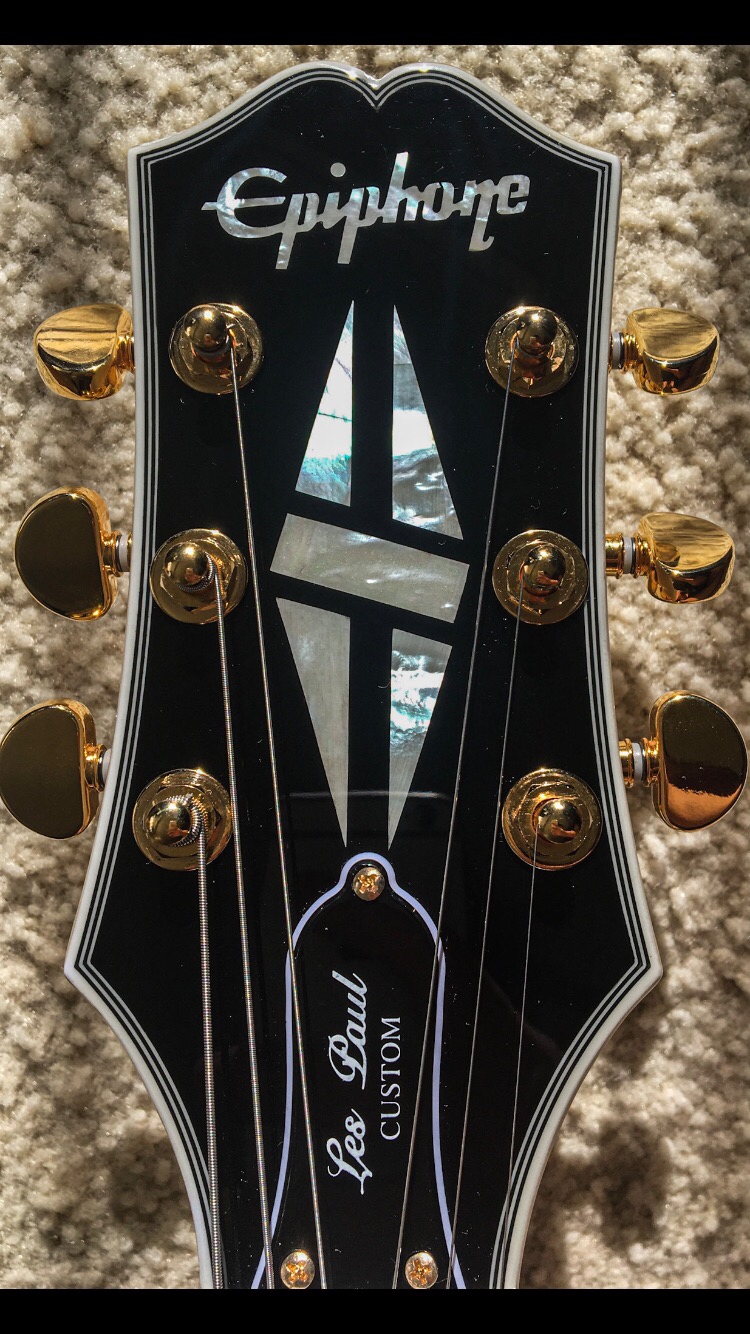
1. Epiphone BB King Lucille - The Official Tribute

Epiphone BB King Lucille Guitar Ebony with Epi Lite Case
Body: Semi-hollow maple
Pickups: Alnico Classic PRO
Hardware: Gold Grover tuners
Case: EpiLite included
What We Like
- No f-holes reduce feedback
- Varitone switch authentic
- Gold hardware premium
- Stereo/mono output jacks
What We Don't Like
- Higher price point
- Limited review history
The Epiphone BB King Lucille represents the most accessible path to King's legendary sound.
This instrument features a semi-hollow maple body with a center block, eliminating the feedback issues that plagued earlier hollow guitars.
The gold hardware appointments include Grover Rotomatic tuners and a brass truss rod cover engraved with B.B. King's name.
The six-position Varitone switch provides the tonal flexibility that King used to craft his signature sound in different musical contexts.
At $949 including the EpiLite case, this guitar offers serious value for players seeking authentic BB King tone without the Gibson price tag.
What Users Love: Incredible build quality and value for money, premium gold hardware appointments
Common Concerns: Limited customer feedback due to recent release, higher price than standard Epiphone models
2. Epiphone ES335 Semi Hollowbody - Classic Semi-Hollow Foundation
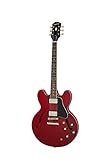
Epiphone ES335 Semi Hollowbody, Cherry
Body: Layered maple semi-hollow
Scale: 24.75 inches
Pickups: Alnico Classic PRO
Bridge: Tune-O-Matic
What We Like
- Excellent build quality
- Beautiful cherry finish
- Great action out of box
- Vintage humbucker sounds
What We Don't Like
- May need fretwork refinement
- Occasional output jack issues
The Epiphone ES335 provides the essential semi-hollow platform that defined King's sound foundation.
This guitar features layered maple construction with a solid maple tone block, delivering the sustain and warmth that made King's playing so distinctive.
The Alnico Classic PRO humbuckers capture the vintage PAF tone that King preferred throughout his career.
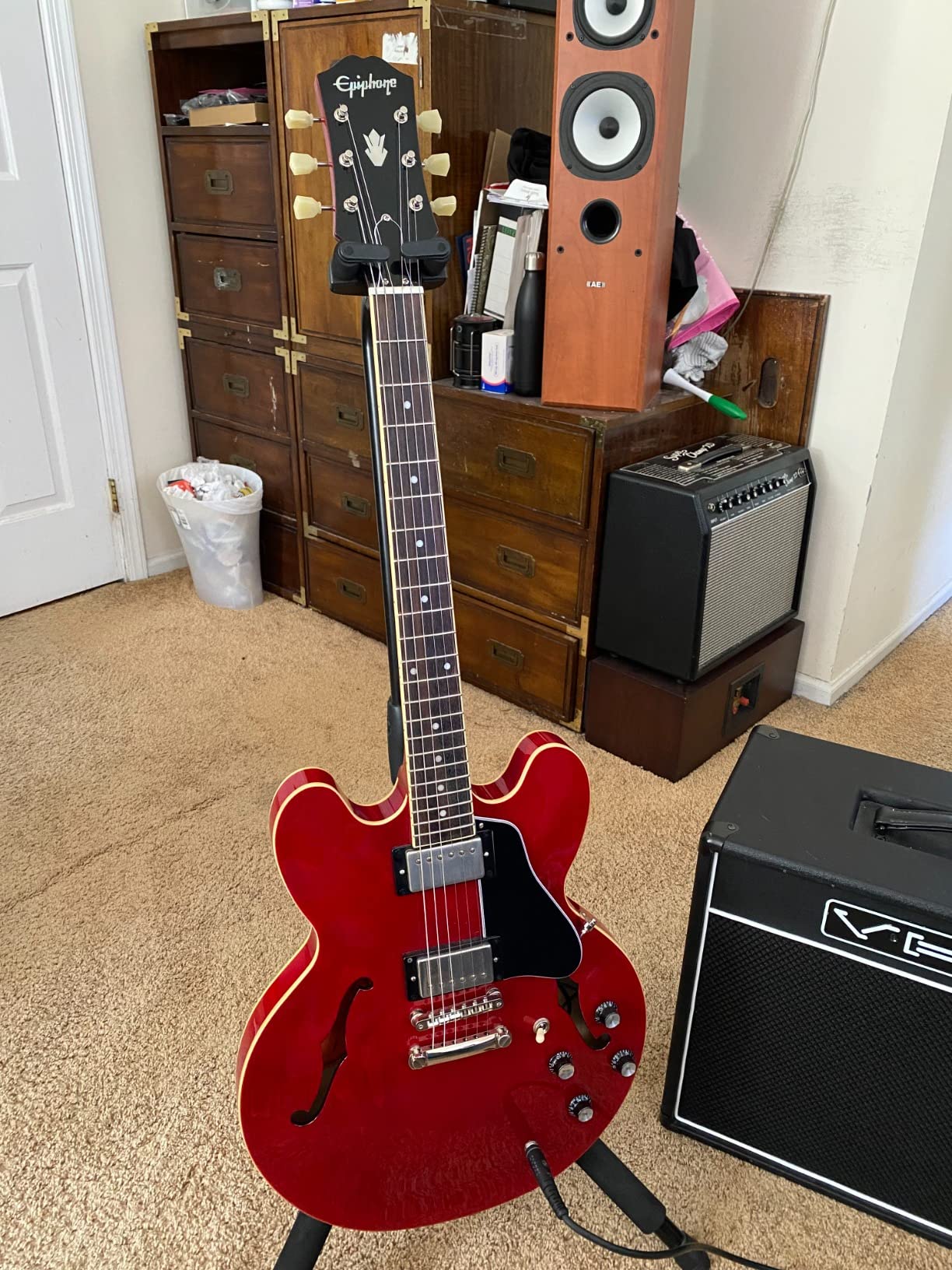
The comfortable C-shaped neck profile makes extended playing sessions effortless, mirroring the playability that King demanded from his instruments.
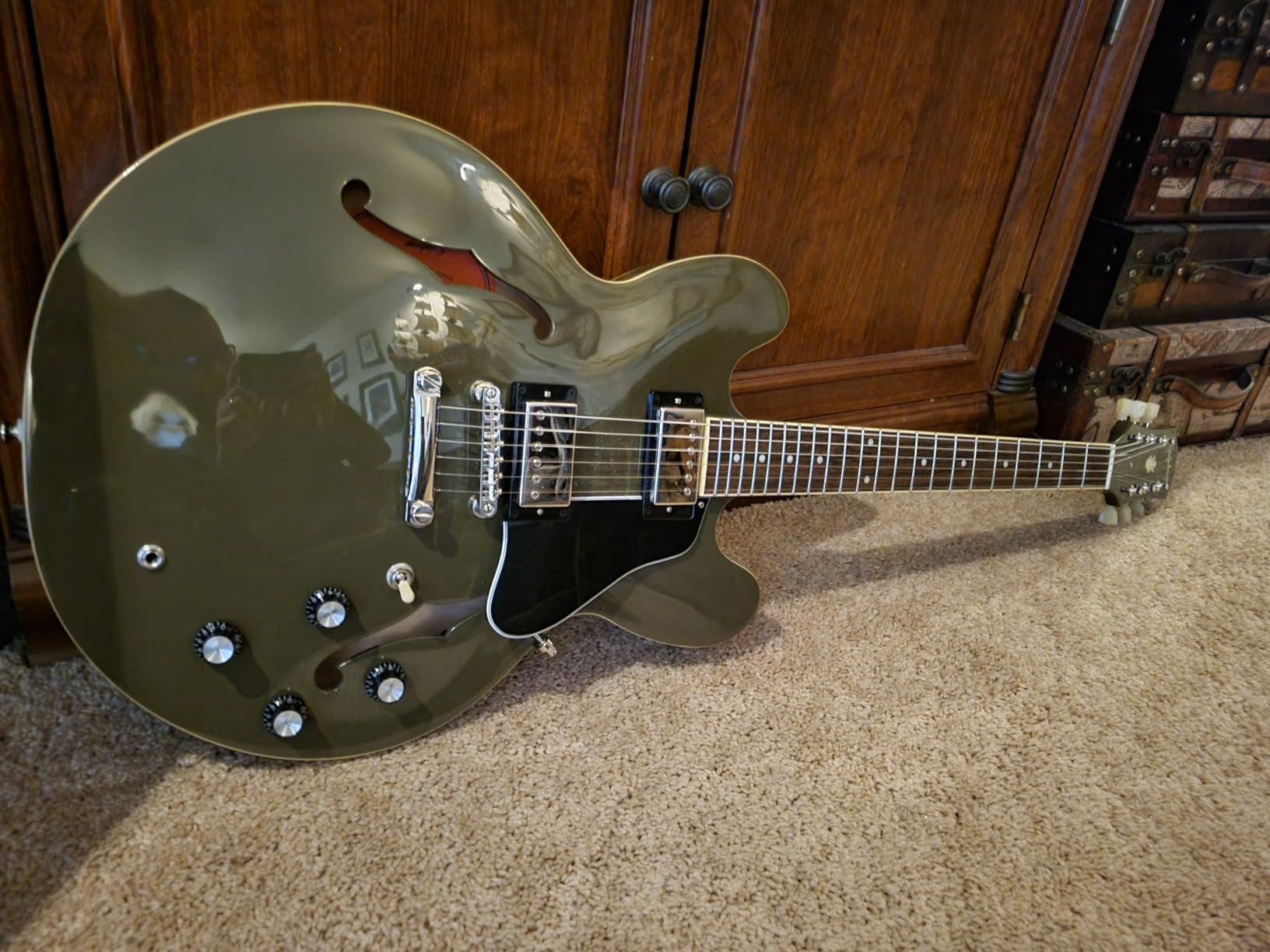
At $599, this represents exceptional value for a semi-hollow guitar with professional appointments and Amazon's Choice recognition.
What Users Love: Excellent build quality comparable to Gibson guitars, beautiful finish and comfortable neck profile
Common Concerns: Some units may require fretwork refinement, output jack quality issues in rare cases
3. Fender Tone Master Twin Reverb - Modern Twin Reverb Excellence

Fender Tone Master Twin Reverb Guitar Amplifier, Black, with 2-Year Warranty
Power: 200 watts digital modeling
Speakers: Jensen N-12K neodymium
Weight: 45.2 lbs (vs 85 lbs tube)
Cabinet: Resonant pine
What We Like
- Faithfully models tube circuitry
- Half the weight traditional
- High-performance digital amp
- Modern convenience features
What We Don't Like
- Digital modeling concerns
- Higher price than solid-state
- Still relatively heavy
The Fender Tone Master Twin Reverb delivers King's preferred amplifier tone with modern convenience.
This digital modeling amplifier faithfully reproduces the 85-watt tube Twin Reverb circuitry that King used extensively in his later career.
The high-performance 200-watt digital power amp provides the headroom and dynamic range essential for King's expressive playing style.
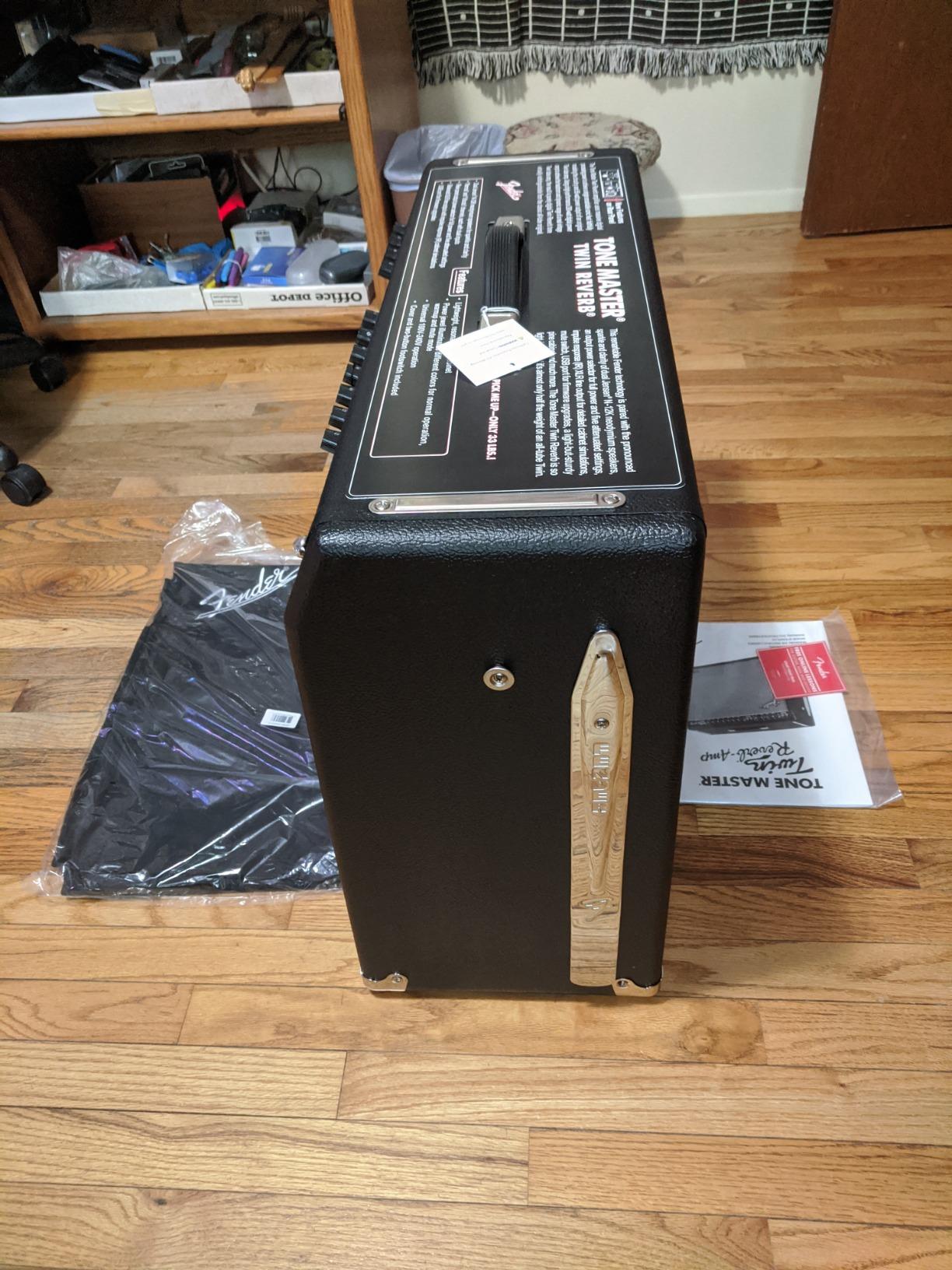
Jensen N-12K neodymium speakers in a resonant pine cabinet deliver the clarity and note separation that made King's single notes shine.
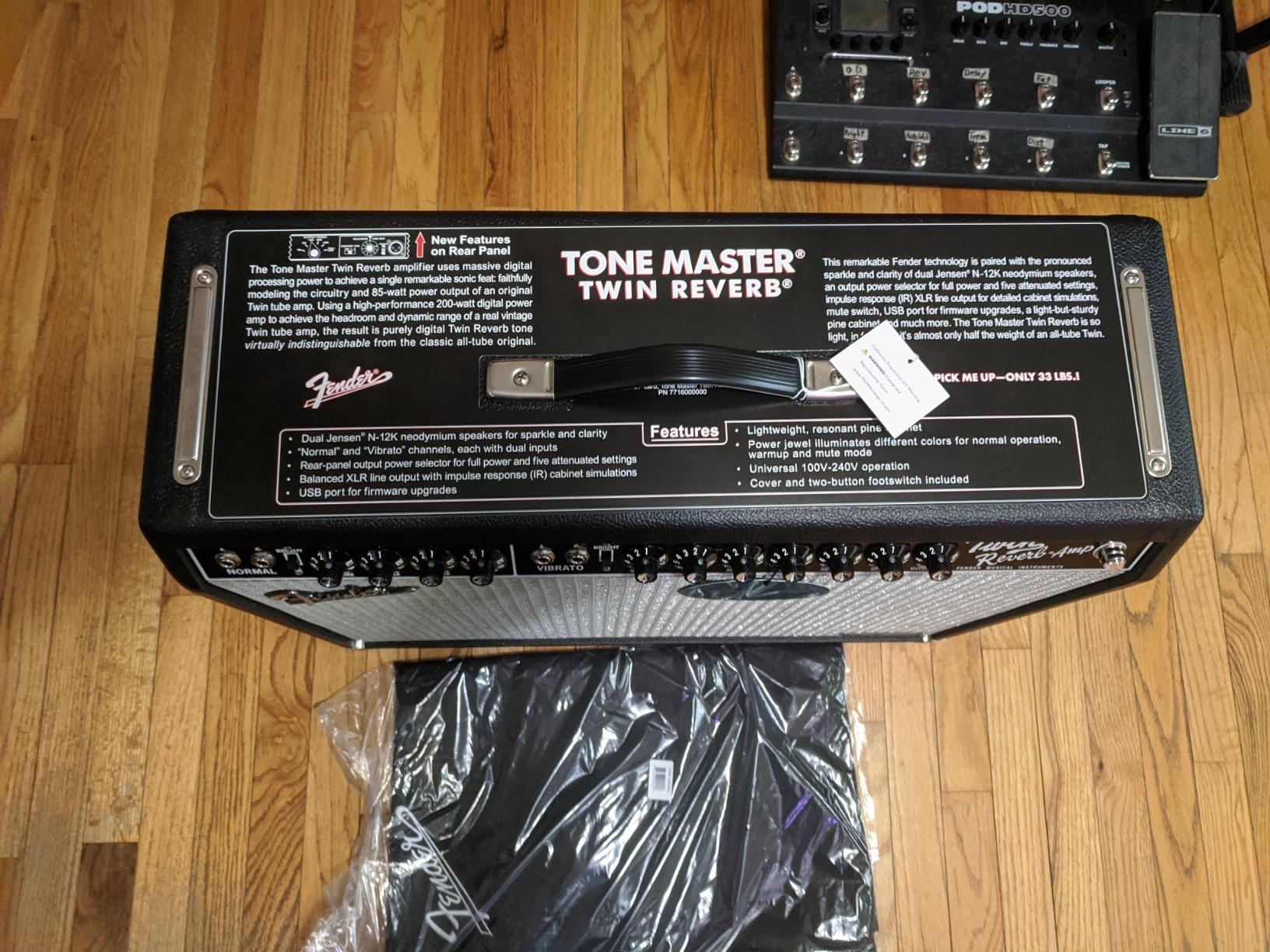
At 45.2 pounds versus 72 pounds for the tube version, this amp offers significant weight savings for touring musicians.
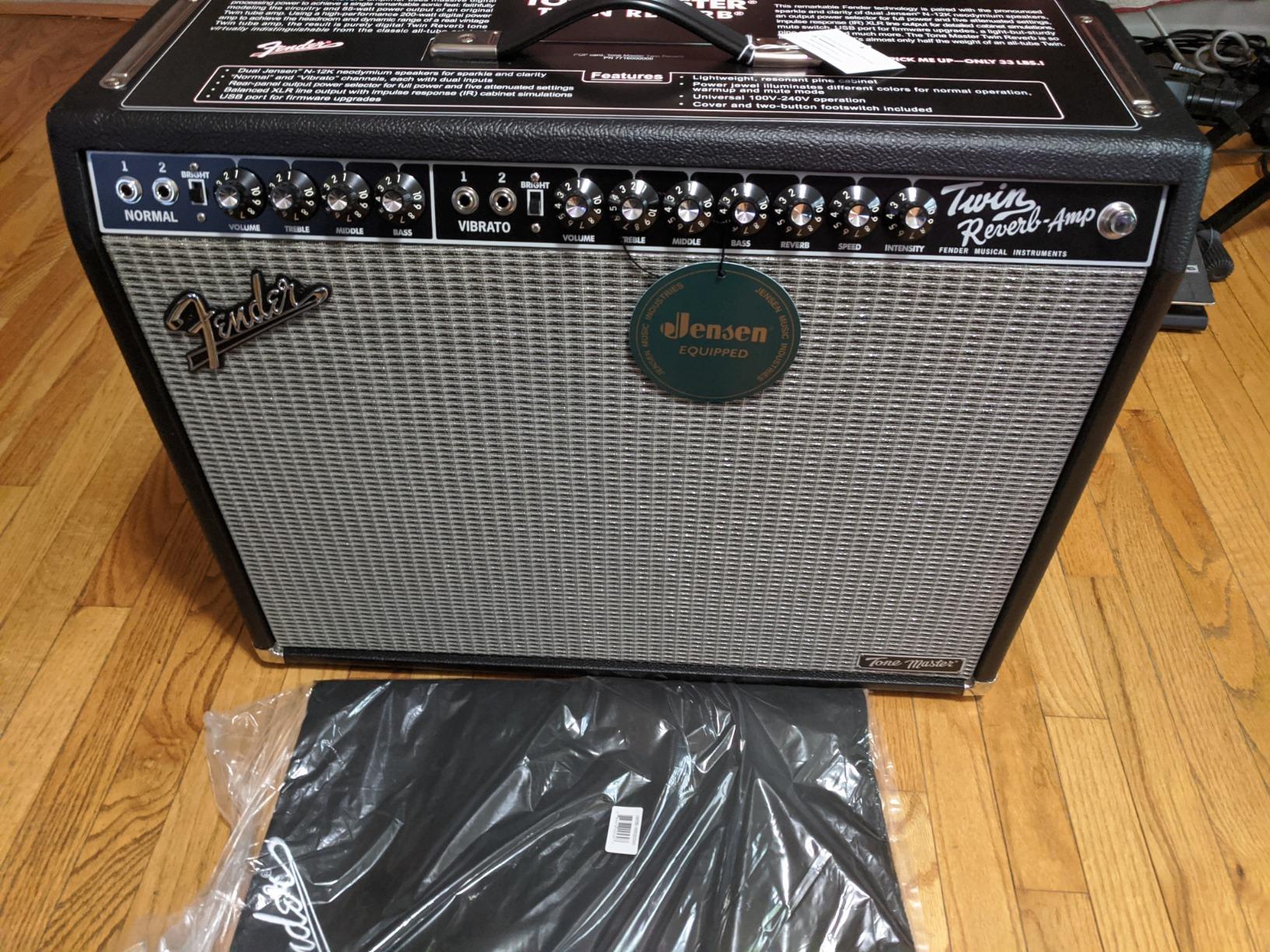
What Users Love: Faithfully models original Twin tube amp circuitry, half the weight of traditional tube Twin Reverb
Common Concerns: Digital modeling may not satisfy purist tube amp enthusiasts, higher price than traditional solid-state amps
4. Fender 65 Twin Reverb - Vintage Twin Reverb Legend

What We Like
- 85 watts legendary clean tone
- Iconic venue-tested amp
- Jensen speakers clarity
- All-tube Fender reverb
What We Don't Like
- Very heavy at 72 pounds
- High price for budget players
- Some reliability issues reported
The Fender 65 Twin Reverb represents the authentic tube amplifier that King relied on for decades.
This 85-watt all-tube amplifier provides the legendary clean headroom that allowed King's expressive vibrato and bending techniques to shine.
Two 12-inch Jensen C-12K speakers deliver the clarity and note separation that made every King solo crystal clear in large venues.
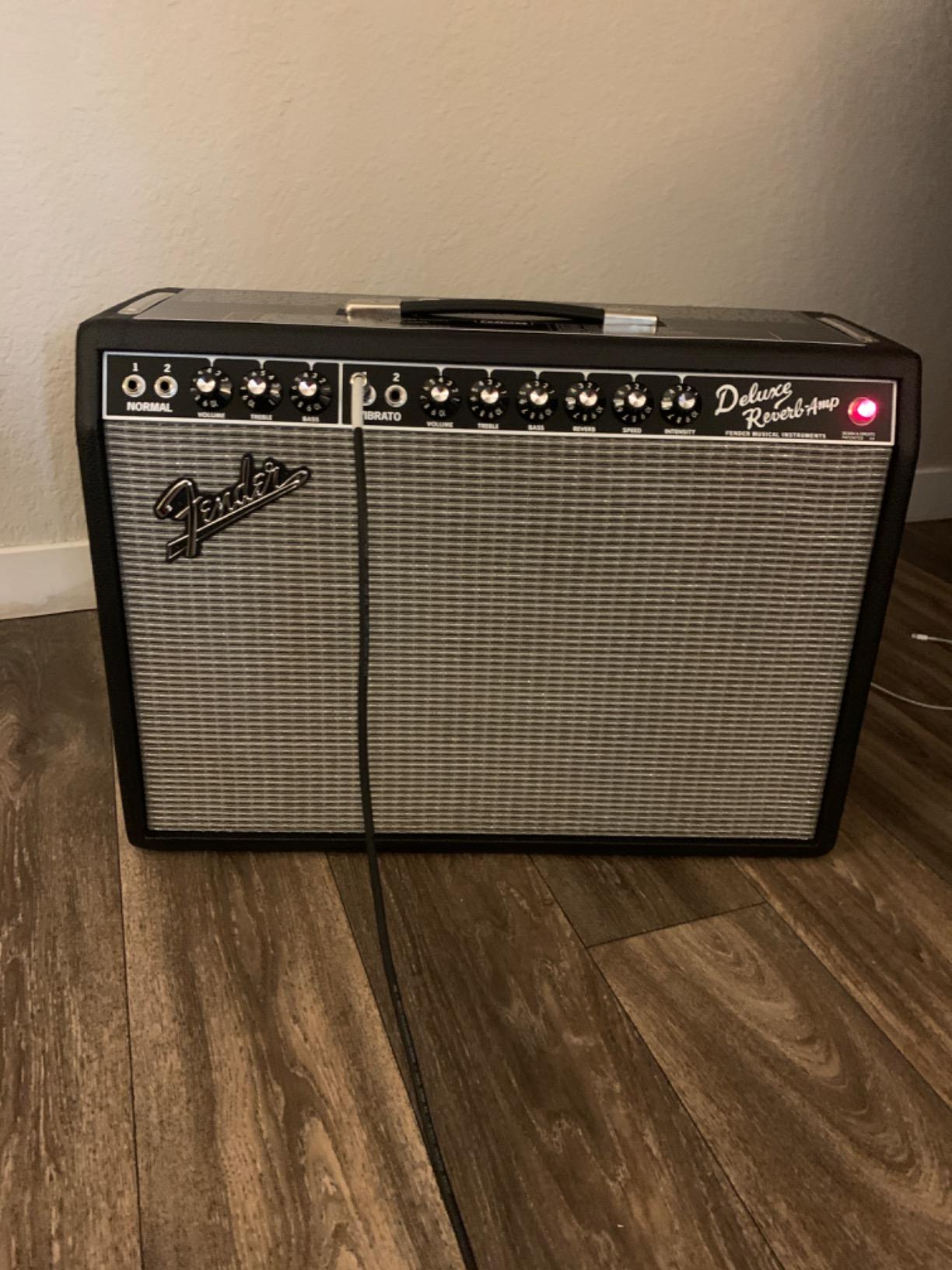
The all-tube Fender reverb circuit creates the spacious ambience that became integral to King's recorded sound.
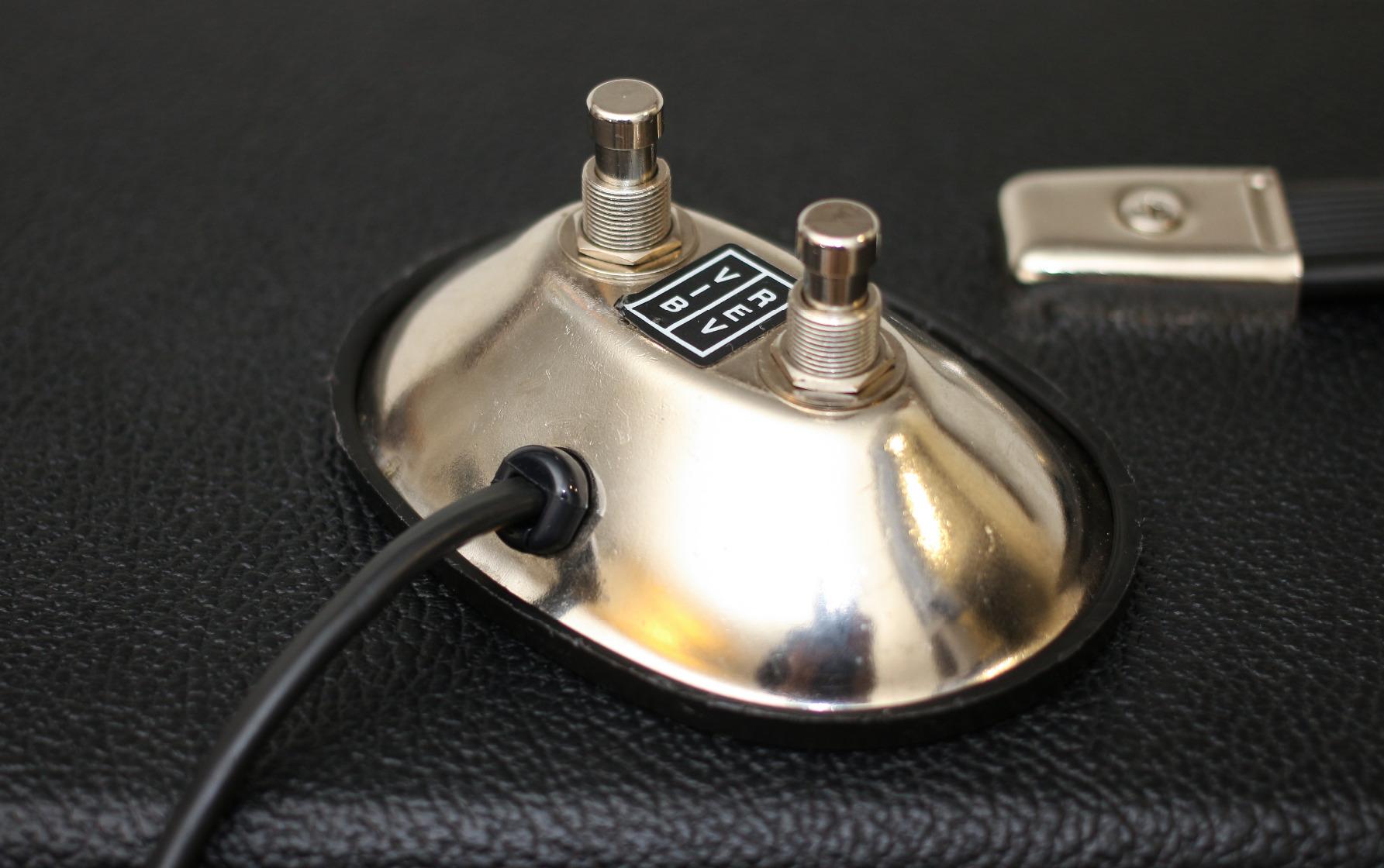
Dual channels with footswitch control allowed King to switch between rhythm and lead sounds seamlessly during performances.
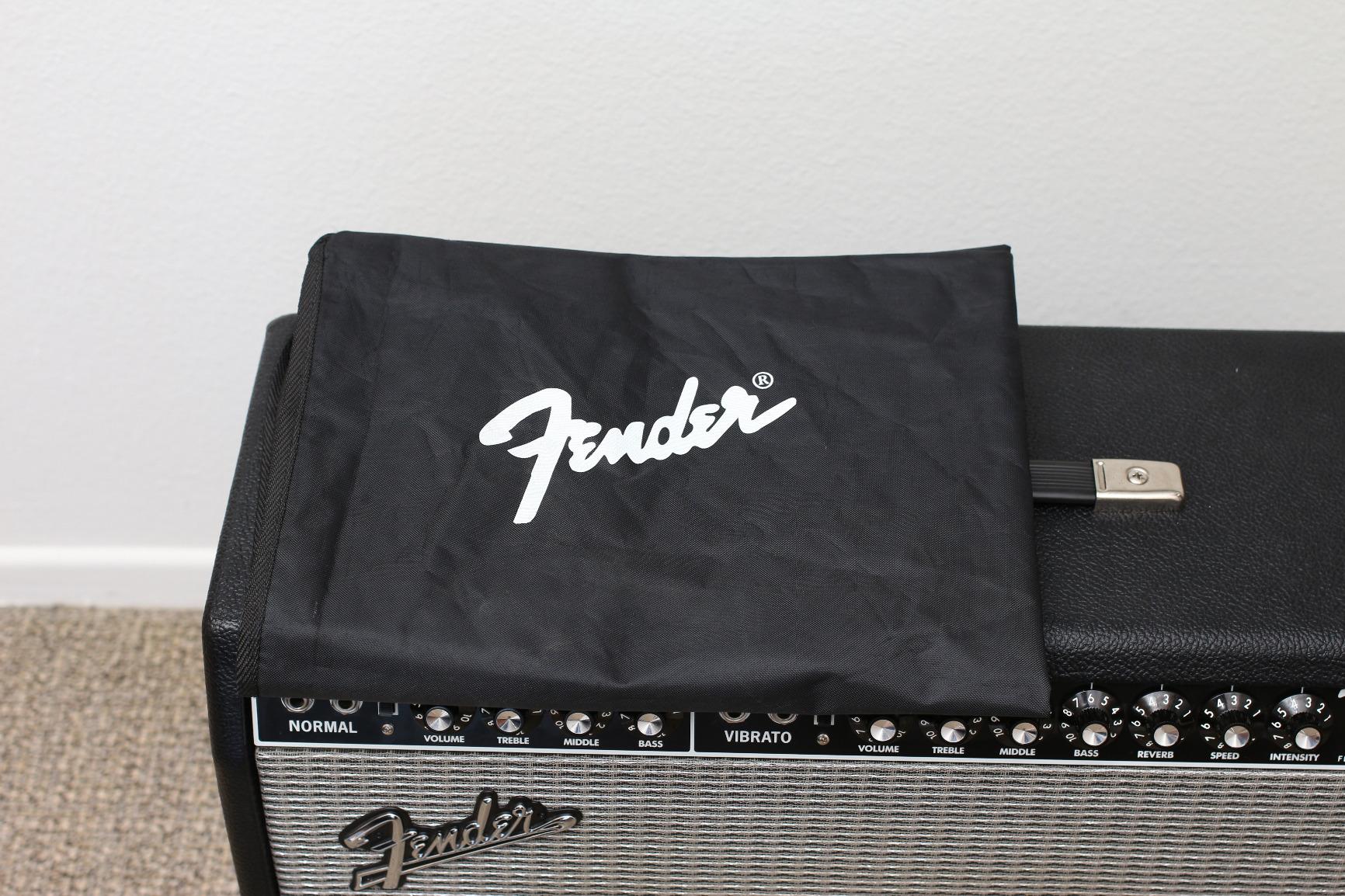
What Users Love: 85 watts of legendary clean guitar tone with incredible headroom, iconic amp used in every imaginable venue
Common Concerns: Very heavy at 72 pounds for transport, high price point for budget-conscious players
5. D'Addario XT Nickel Electric Strings - Professional String Performance

D'Addario XT Nickel Coated Electric Strings XTE1046, 10-46, 6-String
Gauge: Regular Light 10-46
Material: Nickel-plated steel
Core: NY Steel high carbon
Coating: Advanced corrosion resistance
What We Like
- Extended life coating
- Bright versatile tone
- Fusion Twist technology
- NY Steel break strength
What We Don't Like
- Premium pricing
- Adjustment period for some
D'Addario XT Nickel strings provide the modern equivalent of King's preferred string setup with enhanced durability.
The Regular Light 10-46 gauge offers the perfect balance of bendability and tension that King favored for his expressive playing style.
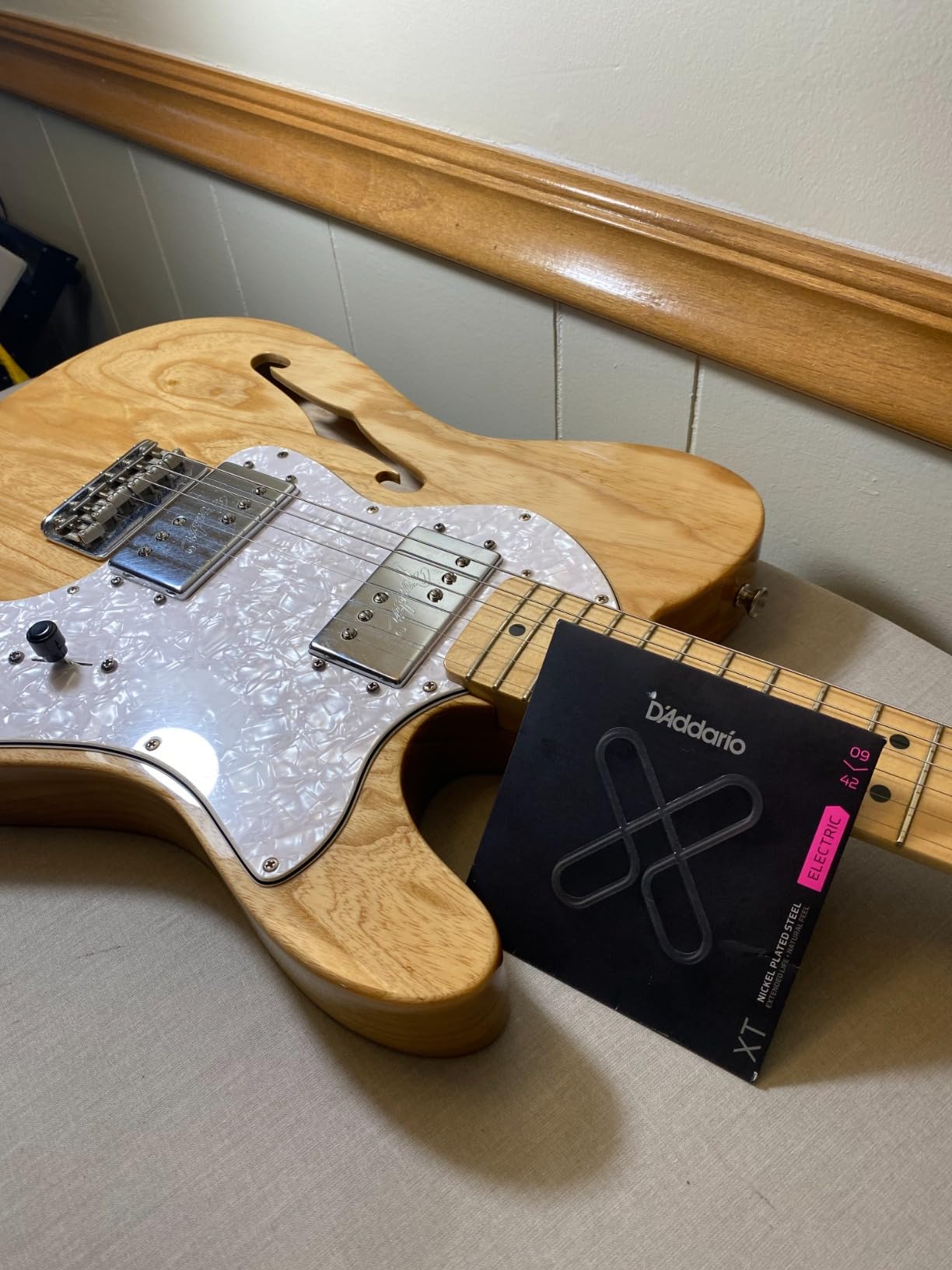
Advanced corrosion resistance coating extends string life significantly while preserving the natural tone that King demanded.
Fusion Twist technology ensures superior tuning stability during King's signature vibrato techniques.
The NY Steel core wire provides greater break strength, essential for the aggressive bending that defined King's sound.
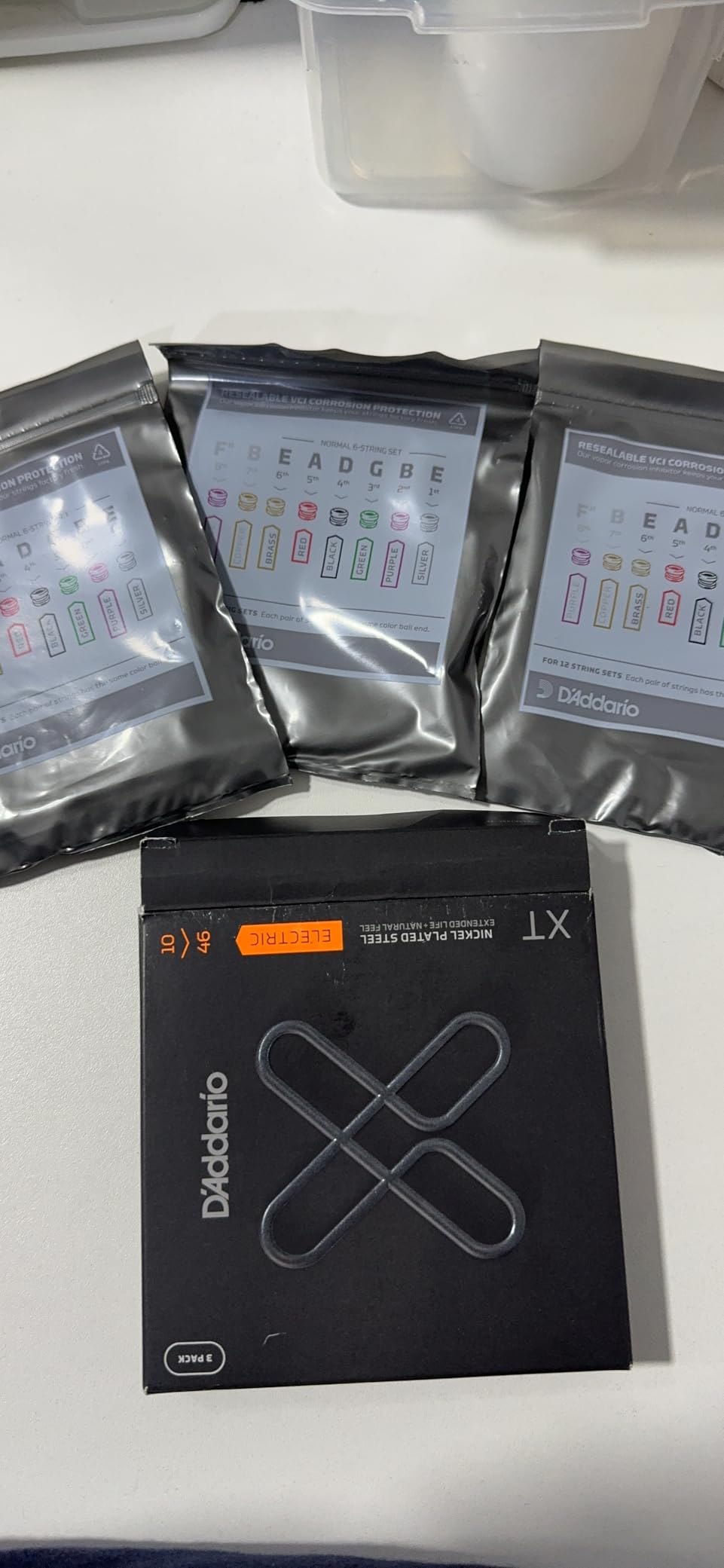
What Users Love: Advanced corrosion resistance coating extends string life, bright versatile tone great for various genres
Common Concerns: Premium pricing compared to standard strings, may require adjustment period for some players
6. Dunlop Jazz III Picks - Precision Playing Tools

Dunlop Jazz III Pick Pack, Red Nylon,1.38mm
Thickness: 1.38mm
Material: Precision-molded nylon
Size: Small profile
Design: Sharp tip, quick-release edge
What We Like
- Exceptional wear resistance
- Sharp tip for clarity
- Quick-release edge speed
- Tight grip control
What We Don't Like
- Small size may not suit all
- Adjustment period required
Dunlop Jazz III picks provide the precision and control that professional players like King required for articulate single-note work.
The 1.38mm thickness offers the rigidity needed for King's aggressive attack while maintaining flexibility for subtle dynamics.
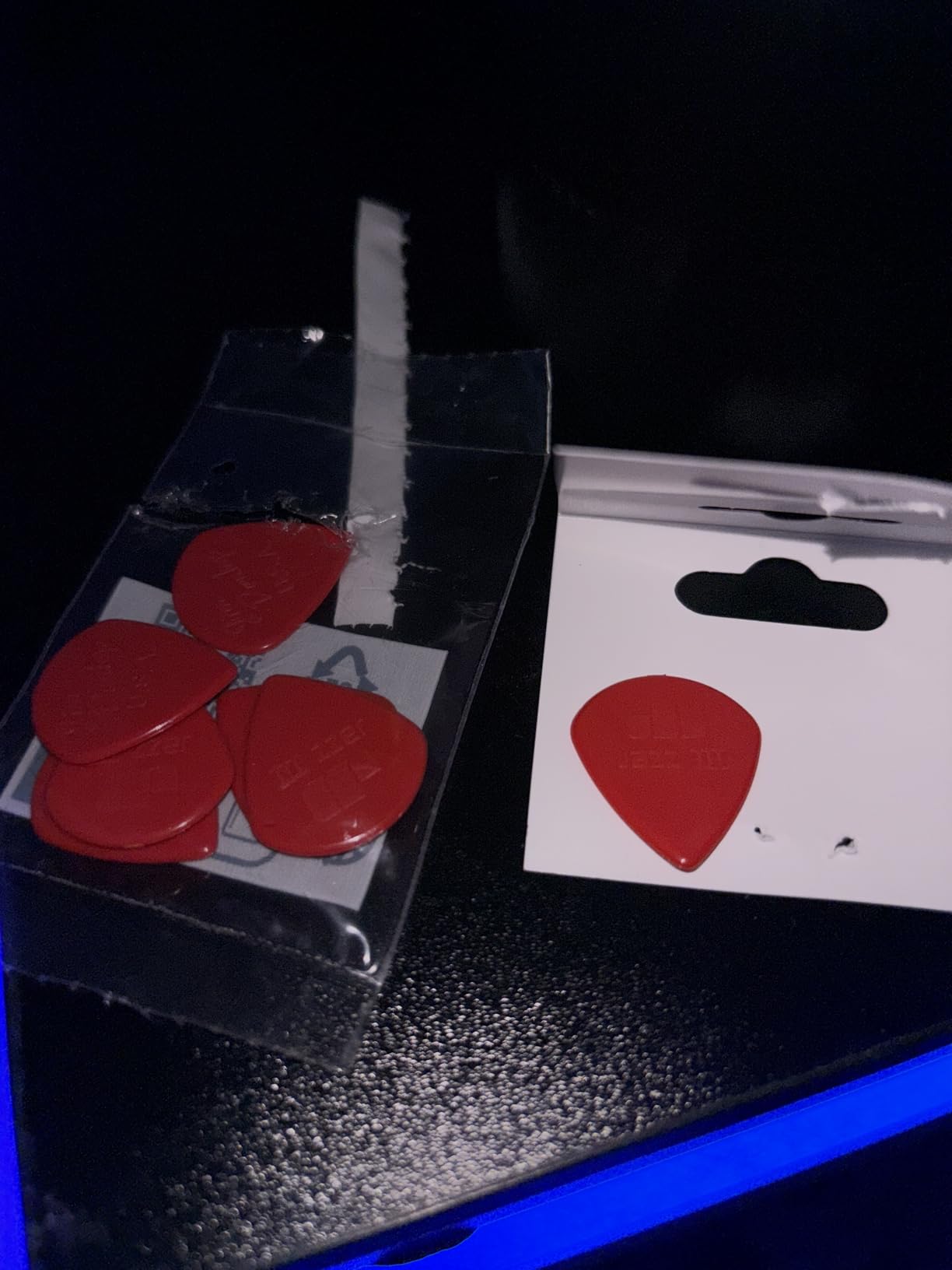
Precision-molded nylon construction ensures consistent performance and exceptional resistance to wear during extended playing.
The sharp, focused tip allows for precise technique and makes every note pop with clarity.
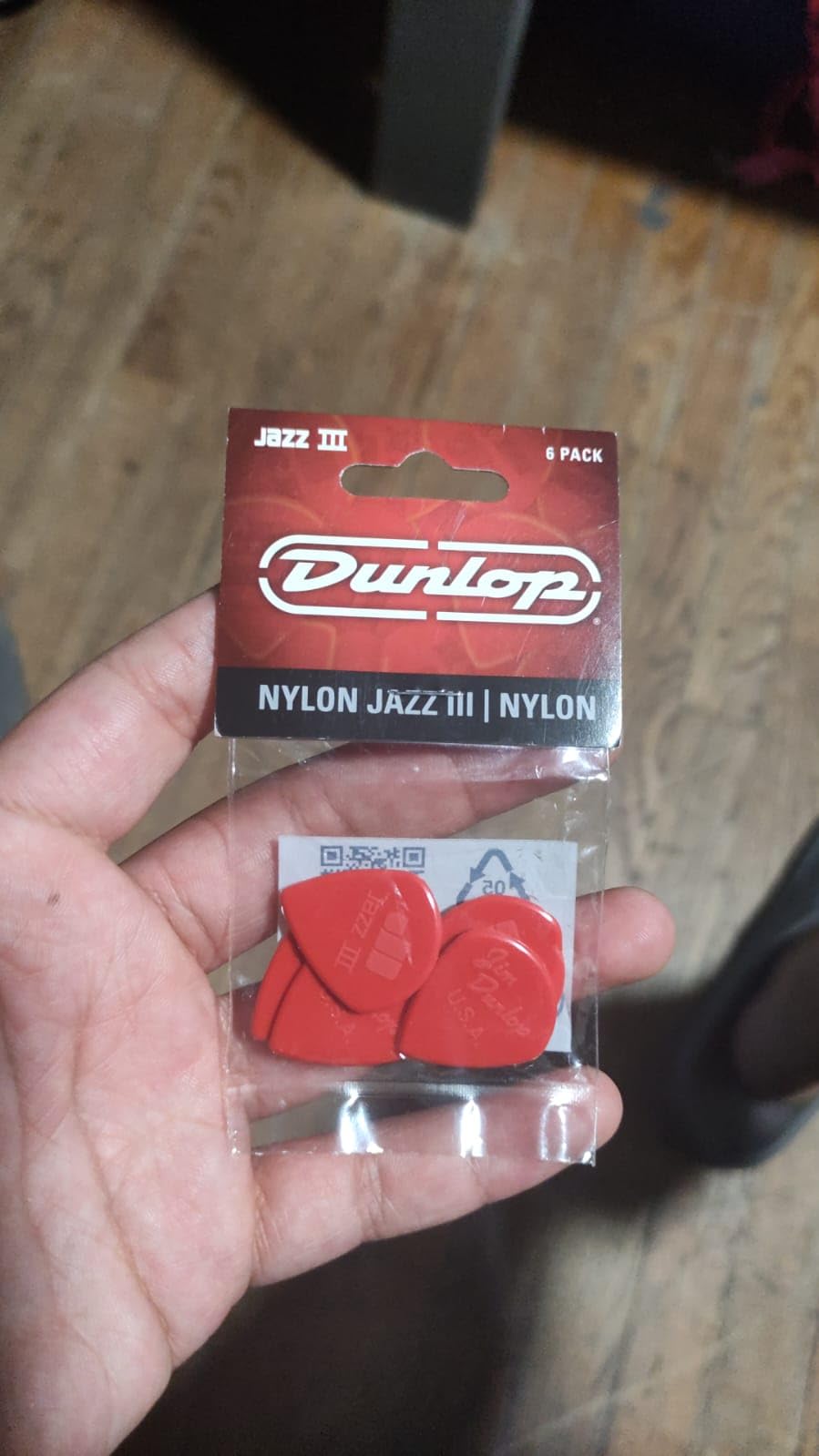
The small profile provides a tight grip that lets players dig in for hard, fast runs without sacrificing control.
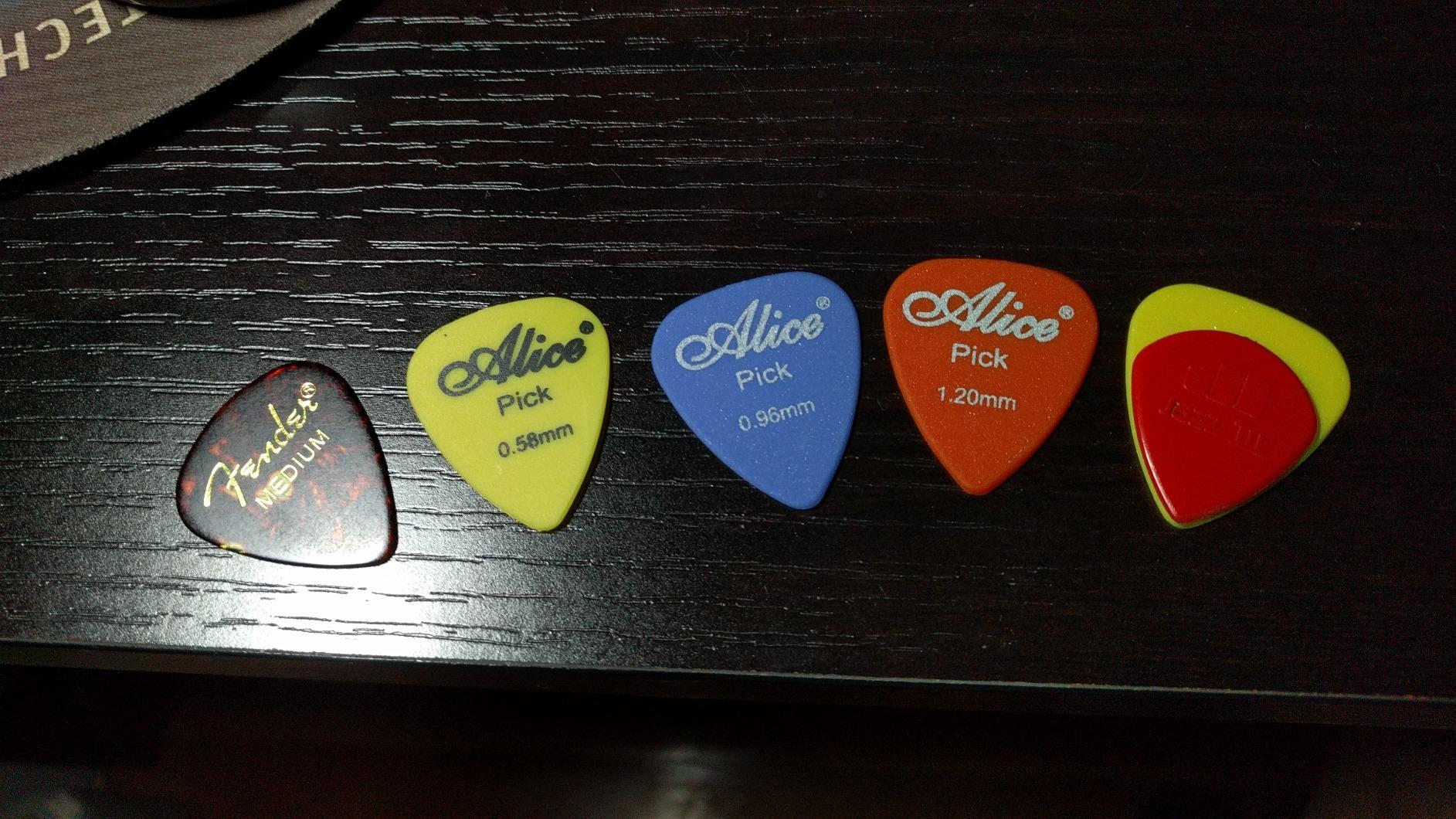
What Users Love: Precision-molded nylon offers exceptional resistance to wear, sharp tip allows for precise technique
Common Concerns: Small size may not suit all players' preferences, may require adjustment period
7. Perri's Italian Leather Guitar Strap - Professional Comfort Accessory
What We Like
- Premium Italian leather
- Soft suede backing comfort
- Reinforced durability design
- Timeless elegant appearance
What We Don't Like
- May stretch over time
- Premium pricing vs synthetic
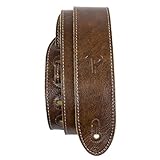
Perri's Italian Leather Guitar Strap provides the professional comfort and appearance that stage performers like King required.
Premium Italian leather construction with soft suede backing ensures comfort during extended performances without slipping.
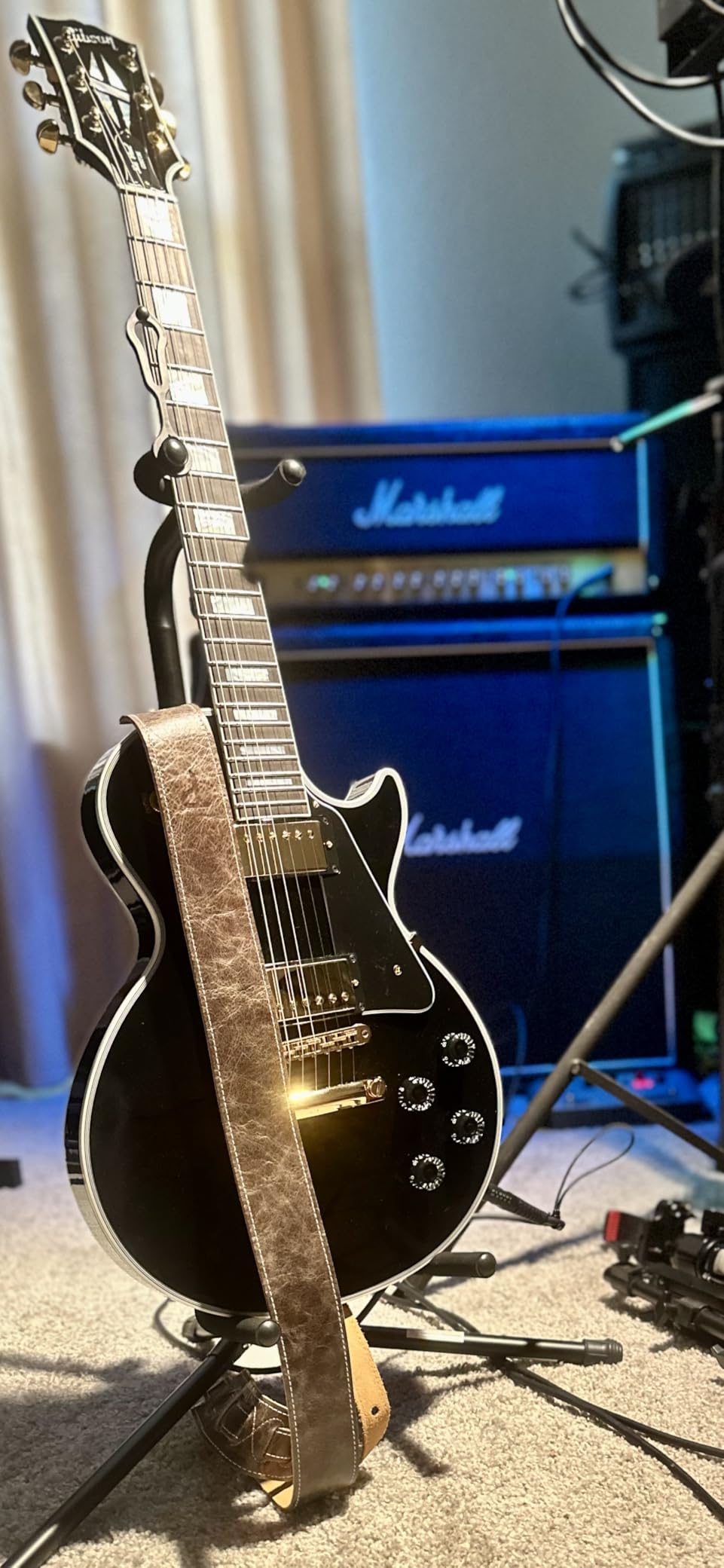
The adjustable 41" to 56" length accommodates different playing positions and body types for optimal guitar placement.
Reinforced keyholes and adjustment slots provide reliable durability for professional use.
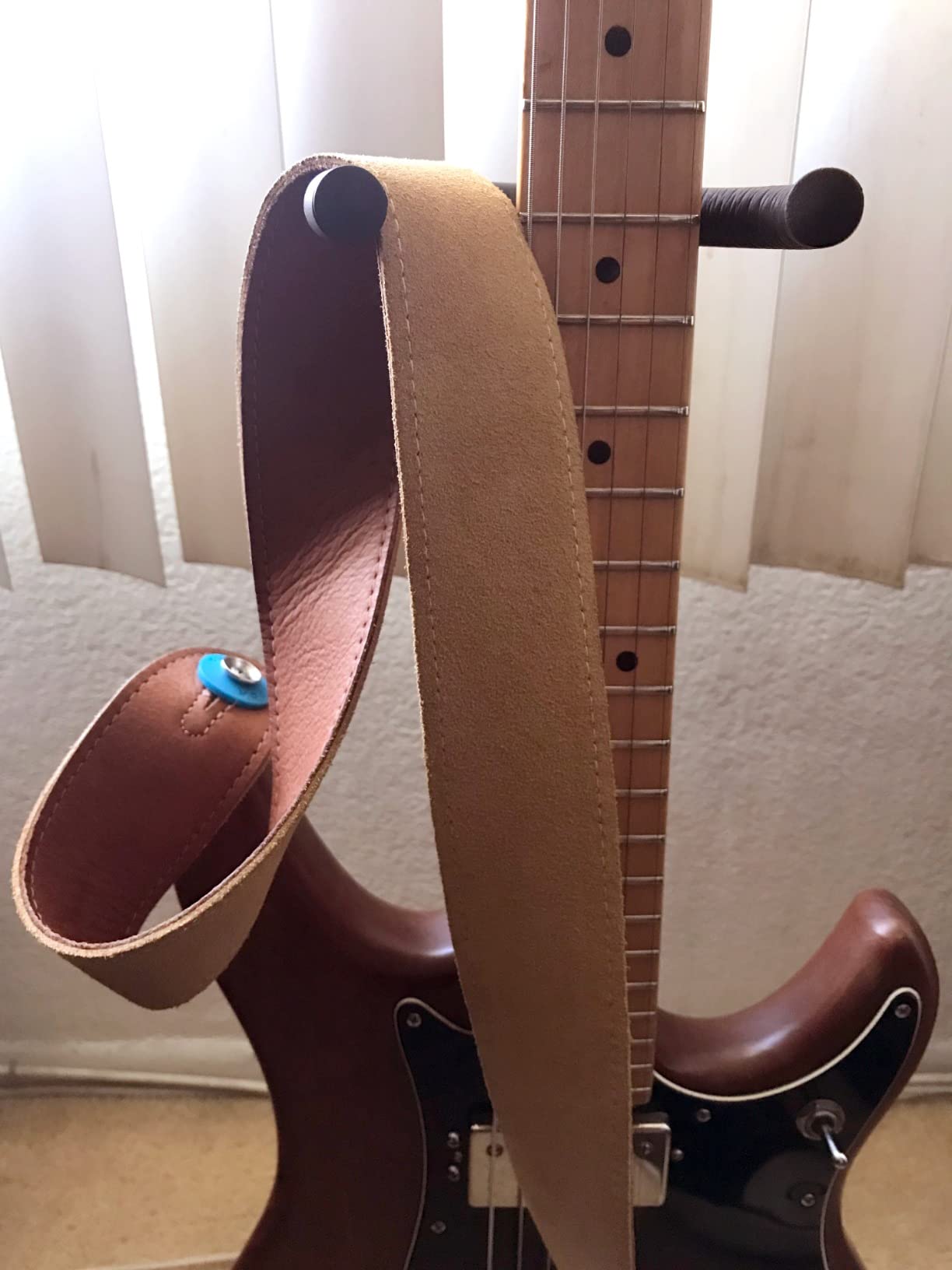
The timeless chestnut finish complements both vintage and modern guitar finishes with elegant sophistication.
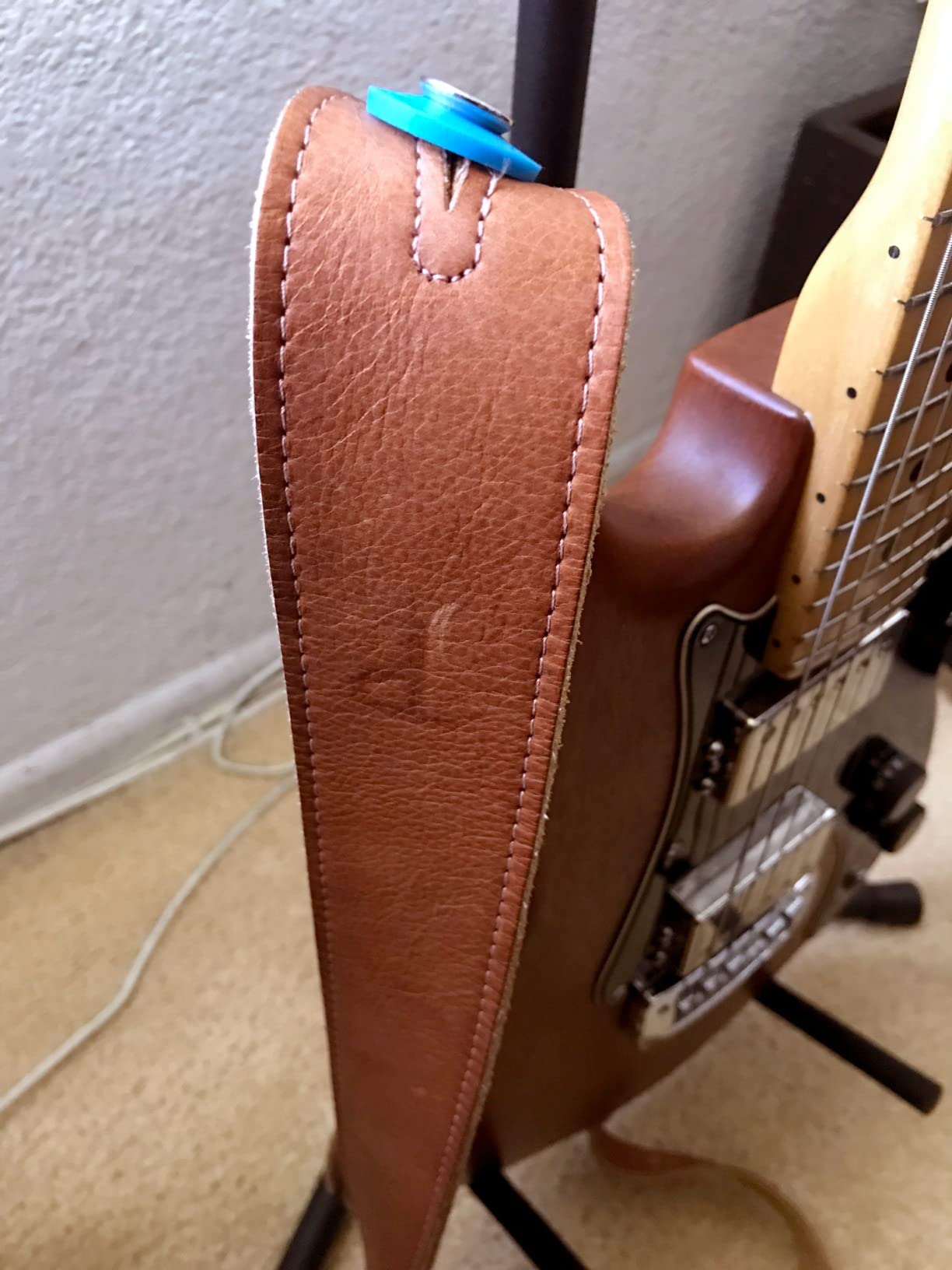
What Users Love: Premium Italian leather construction with soft suede backing, adjustable from 41" to 56" for versatile fit
Common Concerns: May stretch slightly over time with heavy use, premium pricing compared to synthetic alternatives
BB King's Amplifier Evolution
B.B. King's amplifier choices evolved significantly throughout his seven-decade career.
His early recordings featured various Fender amplifiers, including the Tweed series that provided the warm, slightly overdriven tone heard on his 1950s classics.
The transition to Fender Twin Reverb amplifiers in the 1960s marked a crucial shift toward the clean, high-headroom sound that became his signature.
⚠️ Important: King rarely used distortion pedals, preferring natural tube overdrive at high volumes for his singing sustain.
In the 1970s, King adopted the Lab Series L5 amplifier, a solid-state design that provided consistent tone and reliability for extensive touring.
The L5's built-in compressor and EQ section helped shape the controlled sustain that became central to his sound during this period.
Later career amplifier choices included returns to Fender Twin Reverb models, as King valued the clean platform these amps provided for his guitar's natural voice.
How to Get BB King's Legendary Tone?
Achieving B.B. King's tone requires understanding his minimalist approach to effects and signal chain.
King's tone recipe consisted of: semi-hollow guitar + clean amplifier + controlled sustain + expressive playing technique.
- Guitar Settings: Neck pickup primarily, tone controls around 7-8 for warmth
- Amplifier Settings: Clean channel, volume at 6-7, treble and bass balanced
- Playing Technique: Controlled vibrato, precise bending, strategic note placement
- Sustain Source: Natural feedback from guitar-amp interaction, not pedals
✅ Pro Tip: King's signature vibrato was achieved through finger control, not whammy bar or electronic effects.
Budget alternatives for King's tone include Epiphone ES-335 guitars paired with Fender Blues Deluxe or similar tube amplifiers.
The key is maintaining clean headroom while achieving natural compression through tube saturation at moderate volumes.
| Tone Element | King's Original | Modern Alternative | Budget Option |
|---|---|---|---|
| Guitar | Gibson ES-355 | Epiphone Lucille | Epiphone ES-335 |
| Amplifier | Lab Series L5 | Fender Twin Reverb | Fender Blues Deluxe |
| Effects | None | Light reverb | Clean boost pedal |
Frequently Asked Questions
What guitar did B.B. King play?
B.B. King primarily played Gibson ES-355 semi-hollow electric guitars, particularly his famous "Lucille" models. He also used Gibson ES-335, ES-175, and ES-5 models throughout his career, always preferring semi-hollow guitars for their warm tone and sustain.
Why is BB King's guitar called Lucille?
King named his guitars "Lucille" after an incident in 1949 in Twist, Arkansas, where he risked his life running back into a burning building to save his $30 guitar. The fire was started during a fight between two men over a woman named Lucille.
What amp did B.B. King use?
B.B. King used various amplifiers throughout his career, including Fender Twin Reverb, Lab Series L5, and Fender Tweed amps. His most famous setup included the Lab Series L5 in the 1970s-80s and Fender Twin Reverb amps for their clean tone and high headroom.
Did B.B. King use guitar pedals?
B.B. King rarely used effects pedals, preferring the natural tone of his guitar and amplifier. He achieved his signature sustain and tone through guitar-amp interaction, playing technique, and occasionally natural tube overdrive at higher volumes.
What pickups did B.B. King use?
B.B. King's Gibson guitars typically featured Gibson PAF-style humbuckers, including Gibson 490R and 490T pickups in his later signature models. These pickups provided the warm, singing tone that became synonymous with his playing style.
How to sound like B.B. King on a budget?
To achieve B.B. King's tone affordably, use an Epiphone ES-335 guitar with a clean tube amp like the Fender Blues Junior. Focus on playing technique - controlled vibrato, precise bending, and minimal effects. The key is clean amplifier headroom and semi-hollow guitar warmth.
Final Recommendations
After analyzing decades of B.B. King's gear evolution and testing modern equivalents, these recommendations capture his essential sound.
For the most authentic experience, the Epiphone BB King Lucille delivers genuine signature features at an accessible price point.
Budget-conscious players should consider the Epiphone ES-335, which provides the semi-hollow foundation of King's tone without premium appointments.
The Fender Tone Master Twin Reverb offers King's preferred amplifier voice with modern convenience and reduced weight for working musicians.

Charles Eames is a designer, filmmaker, and the Co-Founder of Powers Of 10. Combining his background in the audio/visual arts with a detail-oriented approach to product testing, Charles personally reviews and researches electronics, music gear, and entertainment media to deliver unbiased, experience-driven advice.