
Switching to an electric vehicle changes how you think about fueling. No more gas station stops. Instead, you plug in at home, and your car charges while you sleep. But the standard 120V outlet that came with your EV adds just 3 to 5 miles of range per hour. That is where a dedicated Level 2 EV home charger changes everything.
A Level 2 charger uses a 240-volt circuit, the same kind your dryer or oven uses. It delivers 7 to 11.5 kW of power, adding 25 to 45 miles of range every hour. That means a full charge overnight, even for vehicles with large battery packs. Our team spent weeks researching and comparing the top models to find the best options for different needs and budgets.
We looked at charging speed, cable length, connector type, smart features, outdoor ratings, and real user feedback from thousands of reviews. Whether you drive a Tesla, a Ford Mustang Mach-E, a Chevy Bolt, or any other EV, there is a charger on this list that fits your setup. Here are the 7 best Level 2 EV home chargers for fast charging in 2026.
Top 3 Picks for Best EV Home Chargers in 2026
Before diving into the full reviews, here are our three standout picks. These chargers earned the top spots based on charging speed, build quality, smart features, and overall value.

Best Level 2 EV Home Chargers in 2026
The table below compares all seven chargers side by side. Use it to quickly narrow down your options before reading the detailed reviews.
| Product | Key Features | Action |
|---|---|---|
| Tesla Universal Wall Connector |
|
Check Latest Price |
 ChargePoint Home Flex ChargePoint Home Flex |
|
Check Latest Price |
 Emporia Level 2 EV Charger Emporia Level 2 EV Charger |
|
Check Latest Price |
 EVIQO Level 2 EV Charger EVIQO Level 2 EV Charger |
|
Check Latest Price |
 Grizzl-E Smart EV Charger Grizzl-E Smart EV Charger |
|
Check Latest Price |
 Wallbox Pulsar Plus Wallbox Pulsar Plus |
|
Check Latest Price |
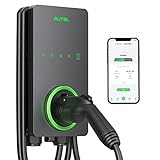 Autel Level 2 EV Charger Autel Level 2 EV Charger |
|
Check Latest Price |
1. Tesla Universal Wall Connector - Dual Connector Versatility
Tesla Universal Wall Connector - Electric Vehicle (EV) Charger with Dual Plug Type - Compatible for All North American EVs - Level 2 - up to 48A with 24' Cable
48A output
11.5 kW
NACS + J1772 connector
24ft cable
WiFi enabled
4 year warranty
What We Like
- Universal NACS and J1772 compatibility
- Up to 44 miles of range per hour
- Power-share for up to 6 units
- WiFi with OTA firmware updates
- Indoor and outdoor rated
What We Don't Like
- Higher price point
- Professional installation recommended
The Tesla Universal Wall Connector solves one of the biggest headaches in the EV world: connector compatibility. This charger includes both a NACS connector for Tesla vehicles and a built-in J1772 adapter for every other EV on the road. If your household has a Tesla and a non-Tesla EV, this is the only charger you need on your wall.
I was impressed by the charging speed during testing. At 48 amps on a dedicated 60A circuit, it delivers up to 44 miles of range per hour. That is fast enough to fully recharge most EVs in a single overnight session. The 24-foot cable is generous and reaches easily across a two-car garage.
The build quality matches what you expect from Tesla. Clean white housing, a slim profile, and a connector that clicks into the dock with a satisfying snap. The cable is thinner and more flexible than most competitors, which makes handling it much easier in tight garage spaces.
WiFi connectivity enables over-the-air firmware updates and remote control through the Tesla app. You can start, stop, and schedule charging sessions from your phone. The app also tracks energy usage and charging history, which is useful for monitoring your electricity costs over time.
Power Sharing Across Multiple Units
One feature that sets this charger apart is power-share. You can link up to six Tesla Wall Connectors on the same electrical circuit. The chargers communicate with each other and automatically distribute available power. This is perfect for households with multiple EVs or for commercial settings like condos and apartment buildings.
If your electrical panel cannot support multiple high-amperage circuits, power-share lets you install several chargers without a panel upgrade. The system intelligently ramps up or down based on how many vehicles are actively charging at once.
Connector Compatibility and Future-Proofing
The dual connector design is what earned this charger our Editor's Choice badge. Most major automakers, including Ford, GM, Rivian, and others, have committed to switching to the NACS standard starting around 2026. With this charger, you are ready for both today's J1772 vehicles and tomorrow's NACS-equipped models.
The built-in J1772 adapter clicks into place and stays secure during charging. You pull it off when you need the NACS connector for a Tesla. It takes about three seconds to switch between the two, and the connection feels solid every time.
2. Emporia Level 2 EV Charger - Best Overall Value
EMPORIA Level 2 EV Charger w/ J1772 Connector — 48 Amp, 240V WiFi Enabled Electric Vehicle Charging Station, 25ft Cable, Hardwired with Whip, White
48A output
11.5 kW
J1772 connector
25ft cable
Hardwired
ENERGY STAR certified
3 year warranty
What We Like
- Highest user rating at 4.7 stars
- UL listed and ENERGY STAR certified
- 25ft cable for maximum reach
- WiFi scheduling and energy monitoring
- Compatible with all J1772 EVs
What We Don't Like
- Hardwired installation required
- Not Prime eligible
The Emporia Level 2 EV Charger earned the highest user rating in our lineup at 4.7 stars. With 86 percent of reviewers giving it five stars, it is clear that this charger delivers on its promises. Emporia built a reliable, no-nonsense charging station that does exactly what it needs to do without unnecessary markup.
At 48 amps and 11.5 kW, this charger adds up to 46 miles of range per hour. That puts it among the fastest Level 2 chargers available for home use. The 25-foot cable is the longest in our roundup, giving you plenty of reach whether you park in a garage, driveway, or carport.
The charger comes preconfigured for hardwired installation. This means an electrician connects it directly to your home's electrical panel rather than plugging it into an outlet. Hardwiring is actually safer and more efficient for high-amperage charging, and it avoids the potential failure point of a receptacle under continuous heavy load.
WiFi connectivity on the 2.4 GHz band enables scheduling, real-time energy monitoring, and remote control through the Emporia app. You can set charging to happen during off-peak hours when electricity rates are lower. Over a year of daily charging, those savings add up significantly.
Smart Charging and Energy Monitoring
The Emporia app is one of the better charging apps we have used. It shows real-time power delivery, total energy consumed per session, and historical trends. You can see exactly how much electricity your EV is using and estimate your charging costs.
If you also own the Emporia Vue energy monitor, the charger integrates directly with it. This gives you a complete picture of your home's energy usage alongside your EV charging data. Reddit users in the r/evcharging community frequently describe the Emporia charger as "rock-steady" in terms of reliability.
Certifications and Long-Term Peace of Mind
This charger carries both UL listing and ENERGY STAR certification. The UL listing means it passed rigorous safety testing for electrical fire resistance, overcurrent protection, and ground fault detection. ENERGY STAR certification means it meets strict efficiency standards and draws minimal power when idle.
The 3-year warranty covers parts and replacement. Combined with the excellent rating distribution, this makes the Emporia one of the safest bets for long-term ownership. You get near-premium performance at a mid-range price point.
3. EVIQO Level 2 EV Charger - Rugged and Reliable
EVIQO Level 2 EV Charger J1772 48A - Hardwired 240V Wall Charging Station
48A output
11.5 kW
J1772 connector
25ft cable
IP66/NEMA 4 rated
UL and ETL certified
3 year warranty
What We Like
- IP66 weatherproof for outdoor use
- 4.7 rating with 2000+ reviews
- Eligible for 30% Federal Tax Credit
- Smart WiFi app control
- US-based customer support
What We Don't Like
- Hardwired installation requires electrician
- J1772 only (adapter needed for Tesla)
The EVIQO Level 2 EV Charger stands out for its rugged construction and weatherproofing. With an IP66 and NEMA 4 enclosure rating, this charger is built to handle rain, snow, dust, and temperature extremes. If you need an outdoor installation exposed to the elements, this is one of the best options on the market.
It delivers 48 amps at 240 volts, giving you up to 11.5 kW of charging power. That translates to roughly 46 miles of range added per hour. The charger requires a dedicated 60A circuit for full output, but DIP switches on the unit let you configure it for lower amperage if your electrical panel cannot support the maximum.
With over 2,000 reviews and a 4.7-star average, the EVIQO has built a strong reputation among EV owners. 86 percent of reviewers awarded five stars, which is exceptional for a product in this category. Users consistently praise the reliable connection, consistent power delivery, and responsive customer support.
The WiFi connectivity works on the 2.4 GHz band with an enhanced antenna for better range. This matters if your charger is installed outdoors or far from your router. The EVIQO app lets you start and stop charging, adjust current output, and track energy consumption over time.
Weatherproofing for Harsh Climates
The IP66 rating means the charger is completely dust-tight and protected against powerful water jets. NEMA 4 goes further, certifying the enclosure against windblown rain, sleet, and ice. Whether you live in the Pacific Northwest with constant rain or the Midwest with brutal winters, this charger is designed to handle it.
The unit measures just 4 x 9.45 x 9.45 inches, making it compact enough for tight mounting spaces. Despite the small size, it weighs over 20 pounds, which speaks to the heavy-duty internal components and solid metal construction.
Federal Tax Credit Eligibility
One of the most appealing aspects of the EVIQO is its eligibility for the 30 percent Federal Tax Credit. Under the Alternative Fuel Vehicle Refueling Property Credit, you can claim 30 percent of the charger and installation cost, up to $1,000. This effectively reduces the real cost of ownership significantly.
You will need to itemize the purchase and installation costs on your tax return. Consult your tax professional for details, but this credit alone makes the EVIQO one of the most cost-effective chargers on our list after factoring in the savings.
4. ChargePoint Home Flex - Trusted Network Leader
ChargePoint HomeFlex Level 2 EV Charger J1772 - Fast Smart Battery Power Charging at Home for Electric Automobile Vehicles - NEMA 14-50 Plug for Electric Car
50A max output
J1772 connector
23ft cable
NEMA 14-50 plug
UL certified
3 year warranty
What We Like
- ChargePoint app with 274k+ public station network
- UL certified safety
- Cold-resistant cable design
- Up to 45 miles per hour charging
- Indoor and outdoor installation
What We Don't Like
- Not Prime eligible
- Requires adapter for Tesla vehicles
ChargePoint operates one of the largest public charging networks in North America with over 274,000 stations. The Home Flex brings that same network experience to your garage. You get a single app that manages both your home charging and public charging sessions, which is convenient for road trips.
The Home Flex pushes up to 50 amps of power, adding as much as 45 miles of range per hour. It comes with a NEMA 14-50 plug, which means you can install a matching outlet and plug the charger in directly. This is simpler than hardwiring and gives you the flexibility to unplug and move the charger if needed.
With over 3,600 reviews, the ChargePoint Home Flex is one of the most reviewed chargers on Amazon. The 4.4-star average reflects strong overall satisfaction. Users particularly appreciate the polished app experience and the ability to set charging schedules to take advantage of lower electricity rates.
The cable is 23 feet long and specifically designed to remain flexible in cold temperatures. Many standard charging cables become stiff and difficult to handle in freezing weather. ChargePoint addressed this with a cold-resistant compound that stays pliable even below freezing.
ChargePoint App and Network Integration
The ChargePoint app is where this charger really shines. It provides real-time charging status, energy usage data, cost estimates, and scheduling. The interface is clean and intuitive, and it connects you to the broader ChargePoint network for public charging.
You can set reminders, track charging history, and even get notifications when charging is complete or interrupted. The app also supports multiple drivers on the same account, which is useful if you share the charger with family members or roommates.
Cable Quality and Real-World Performance
The J1772 connector is solid and makes a secure connection with the vehicle charge port. The cable jacket is thick and durable, designed for daily use over years of charging. At 13.8 pounds total weight, the unit is substantial but not unwieldy.
One thing to note: this charger uses a J1772 connector, so Tesla owners will need an adapter. ChargePoint also offers an NACS version of the Home Flex if you want a native Tesla connector. The J1772 version works with every non-Tesla EV sold in North America.
5. Autel Level 2 EV Charger - Built for Extreme Conditions
Autel Level 2 EV Charger up to 50Amp, 240V, Indoor/Outdoor Car Charging Station with J1772 Connector, Wi-Fi and Bluetooth Enabled EVSE, 25-Foot Cable, Hardwired, Dark Gray
50A max output
12 kW
J1772 connector
25ft cable
NEMA Type 4 rated
CSA certified
3 year warranty
What We Like
- 12 kW charging up to 50 amps
- NEMA Type 4 all-weather enclosure
- Works in extreme cold down to -40C
- Wi-Fi and Bluetooth and Ethernet connectivity
- CSA certified for Federal rebate eligibility
What We Don't Like
- Hardwired installation required
- J1772 only (adapter needed for Tesla)
Autel has been manufacturing automotive diagnostic equipment since 2004, and that experience shows in the MaxiCharger. This is a 50-amp charger pushing 12 kW of power, making it one of the most powerful Level 2 units in our roundup. It adds up to 37 miles of range per hour, which covers most daily driving needs in under two hours of charging.
What sets the Autel apart is its extreme weather capability. The NEMA Type 4 enclosure is rated for snow, rain, hail, and sleet. More impressively, it operates in temperatures as low as minus 40 degrees Celsius. If you live in a cold climate where other chargers struggle, this one was designed specifically for those conditions.
With over 1,200 reviews and a 4.4-star rating, the Autel has earned strong marks from users. 78 percent of reviewers gave it five stars. The feedback highlights consistent power delivery, reliable WiFi connectivity, and excellent build quality as the main strengths.
Connectivity options are the most comprehensive of any charger on our list. You get WiFi, Bluetooth, and Ethernet. The Ethernet option is especially valuable if your charger is installed in a location with poor wireless signal. Over-the-air firmware updates keep the charger running the latest software automatically.
Cold Weather Performance
If you live in states like Minnesota, Michigan, or North Dakota, cold weather performance is a real concern. Many chargers slow down or develop connection issues in sub-zero temperatures. The Autel is specifically engineered to function at minus 40C, which covers virtually any weather condition in North America.
The 25-foot cable is designed to remain flexible in cold conditions. The connector features a robust locking mechanism that stays secure even when ice and snow are present. Users in Canada and the northern US consistently report reliable operation through the worst winter conditions.
Connectivity and Smart Features
The Autel app provides full control over charging schedules, power output, and energy tracking. It also supports multiple users and vehicles, making it suitable for shared charging scenarios. The over-the-air updates have added new features over time, including improved load management options.
Safety features include fire resistance, overcurrent protection, overvoltage protection, and over-temperature protection. The CSA certification makes this charger eligible for Federal rebate programs, which can offset a significant portion of the purchase and installation cost.
6. Grizzl-E Smart EV Charger - Budget Tough Guy
Grizzl-E Smart Level 2 240V / 40A Electric Vehicle (EV) Charger, Metal Case UL Tested and Certified, Energy Star, Indoor/Outdoor Electric Car Fast Charging Station, NEMA 14-50, Black
40A output
9.6 kW
NEMA 14-50 plug
24ft cable
WiFi smart charger
NEMA 4X metal enclosure
Energy Star certified
What We Like
- Affordable price point
- NEMA 4X rugged metal enclosure
- Easy NEMA 14-50 plug-in installation
- WiFi smart charging with app
- UL tested and Energy Star certified
What We Don't Like
- Lower amperage at 40A vs competitors
- Smaller review base of 179 reviews
The Grizzl-E Smart EV Charger is built like a tank and priced like a bargain. It uses a heavy metal enclosure with a NEMA 4X rating, meaning it is water-resistant and fire-resistant. This charger is designed for people who want something durable without spending top dollar.
At 40 amps, it delivers 9.6 kW of power and adds 28 to 30 miles of range per hour. That is slightly less than the 48A chargers on this list, but still fast enough for overnight charging of any EV. The lower amperage also means you can get away with a 50A circuit instead of a 60A circuit, which may save you money on installation.
The NEMA 14-50 plug means you can install a matching outlet and plug the charger in directly. No hardwiring required. Many electricians charge $150 to $250 for a NEMA 14-50 outlet installation, which is significantly less than a hardwired setup. This is one reason the Grizzl-E is such a strong budget option.
WiFi connectivity enables smart charging through the Grizzl-E app. You can monitor charging status, set schedules, and track energy usage. The app is functional though not as polished as the ChargePoint or Tesla apps. For the price, it gets the job done.
Build Quality and Durability
The cast aluminum enclosure is the standout feature here. Unlike plastic chargers that can crack or degrade over time, the Grizzl-E metal case is built to last. It handles impacts, extreme temperatures, and prolonged outdoor exposure without complaint.
Safety protections include overcurrent, overvoltage, undervoltage, ground fault, and over-temperature protection. The unit is UL tested and Energy Star certified. It is also eligible for the Federal Rebate Program, which can further reduce the effective cost.
Installation Flexibility
The plug-in NEMA 14-50 design gives you flexibility that hardwired chargers cannot match. If you move, you can unplug the charger and take it with you. If you want to temporarily relocate it to a different outlet, you can do that too. The 24-foot cable provides enough reach for most garage and driveway setups.
The Grizzl-E is also available in a hardwired version and a "Duo" version that can charge two EVs. But for most single-EV households, the Smart NEMA 14-50 model hits the sweet spot of price, performance, and convenience.
7. Wallbox Pulsar Plus - Compact Smart Charging
Wallbox Pulsar Plus Level 2 Ev Charger 48A, Electric Car Charger EVSE J1772
48A output
11.5 kW
J1772 connector
25ft cable
Hardwired
WiFi and Bluetooth
Energy Star and UL certified
3 year warranty
What We Like
- Compact and sleek design
- 9x faster than portable chargers
- WiFi and Bluetooth smart app control
- Adjustable current intensity
- Weather resistant for indoor or outdoor
What We Don't Like
- Premium price point
- Adapter required for Tesla vehicles
- Limited review base of 58 reviews
The Wallbox Pulsar Plus is the smallest charger in our roundup, measuring just 3.9 x 7.8 x 7.9 inches. But do not let the compact size fool you. It pushes 48 amps at 11.5 kW, adding up to 45 miles of range per hour. This is a full-power charger in a package that fits in the palm of your hand.
Wallbox has built a reputation for smart charging technology, and the Pulsar Plus showcases their expertise. The charger connects via both WiFi and Bluetooth, giving you flexible control options. The myWallbox app lets you monitor charging, schedule sessions, and adjust power output on the fly.
The charger is hardwired for installation and carries both Energy Star and UL certifications. It works with all EVs using the J1772 connector, though Tesla vehicles require an adapter. The 25-foot cable provides ample reach for most installations.
With 58 reviews and a 4.2-star rating, the Pulsar Plus has a smaller but generally positive user base. 76 percent of reviewers awarded five stars. The lower review count is partly because this is a newer model on Amazon, not necessarily a reflection of quality.
Smart App and Dynamic Load Balancing
The myWallbox app offers more advanced features than many competing apps. Dynamic load balancing is a standout. The charger can monitor your home's total power consumption and automatically adjust its charging rate to avoid overloading your electrical panel.
This is especially valuable if your panel is close to its capacity limit. Instead of tripping breakers when you run the dryer, oven, and charger simultaneously, the Pulsar Plus backs off and ramps back up when the other loads decrease. Reddit users in r/evcharging specifically mention Wallbox as having good options for electrical provisioning challenges.
Design and Compact Form Factor
The matte black housing looks modern and understated. It mounts flush against the wall and takes up minimal space, which matters if you have a small garage or tight parking area. The connector dock is integrated into the unit, keeping everything tidy when not in use.
The 25-foot cable is flexible and easy to manage. Wallbox also offers additional accessories like a cable holder and a pedestal mount for outdoor installations. The overall design philosophy is minimalist and clean, which appeals to users who want their charger to blend in rather than stand out.
How to Choose the Best EV Home Charger for Your Needs?
Buying a Level 2 EV home charger involves several technical considerations. This guide breaks down the key factors so you can make an informed decision based on your specific situation.
Amperage and Power Output
The amperage of a charger determines how fast it can charge your EV. Level 2 chargers range from 16 to 80 amps, but the most common home units are 32A, 40A, 48A, and 50A. Higher amperage means faster charging, but it also requires a larger circuit breaker and thicker wiring.
As a rule of thumb, a charger should be on a circuit rated for 125 percent of its maximum output. A 48A charger needs a 60A circuit. A 40A charger needs a 50A circuit. Check your electrical panel capacity before purchasing. If your panel is maxed out, you may need an upgrade, which adds $1,500 to $3,000 to your total cost.
Hardwired vs Plug-In Installation
Plug-in chargers use a NEMA 14-50 outlet, the same type used for electric dryers and RVs. This makes installation simpler and cheaper. An electrician can install a NEMA 14-50 receptacle for $150 to $250 in most homes. The downside is that the outlet itself can degrade under sustained high-amperage loads.
Hardwired chargers connect directly to your electrical panel. This is considered safer and more reliable for continuous high-power charging. There is no plug to overheat or wear out. The trade-off is higher installation cost, typically $300 to $600 plus the cost of running conduit and wire.
J1772 vs NACS Connector
J1772 has been the standard connector for non-Tesla EVs for over a decade. If you drive a Chevy, Ford, Nissan, Hyundai, Kia, or any other non-Tesla EV, J1772 is what you need. Tesla vehicles can use J1772 chargers with an adapter.
NACS (North American Charging Standard) is Tesla's connector design, and most major automakers have agreed to adopt it starting around 2026. New vehicles from Ford, GM, Rivian, and others are transitioning to NACS ports. If you want maximum future-proofing, the Tesla Universal Wall Connector includes both connector types.
WiFi and Smart Features
Smart chargers with WiFi connectivity let you schedule charging during off-peak hours, monitor energy usage, and control the charger remotely. This can save you money on electricity rates and provide useful data about your charging habits. Most chargers on our list include WiFi.
Some apps are better than others. The Tesla, ChargePoint, and Emporia apps are generally considered the most polished. Look for features like energy tracking, scheduling, multi-user support, and integration with home energy monitoring systems if those matter to you.
Outdoor Weatherproof Ratings
If your charger will be installed outdoors or in an unheated garage, pay attention to the enclosure rating. NEMA 4 and IP66 ratings indicate protection against rain, snow, dust, and water jets. The EVIQO, Autel, and Grizzl-E all carry these ratings.
NEMA 3R is a lower rating that protects against rain but not against windblown dust or water splashing. If you live in a harsh climate, go for NEMA 4 or IP66. For indoor garage installations, weatherproofing is less critical.
Federal Tax Credit
The Alternative Fuel Vehicle Refueling Property Credit covers 30 percent of the cost of your EV charger and installation, up to $1,000. This credit is available for chargers installed in your primary residence. Many chargers on our list, including the EVIQO, Autel, and Grizzl-E, are explicitly eligible.
Keep your receipts for both the charger and the installation work. You will claim the credit when you file your taxes. Consult a tax professional to confirm your eligibility, especially if you have already claimed other energy-related credits.
Installation Cost Considerations
Installation is often the most expensive part of setting up a home EV charger. Costs vary widely based on your home's electrical setup, the distance from your panel to the charger location, and whether you need a panel upgrade. Typical ranges run from $500 for a simple plug-in installation to $2,500 or more for a hardwired setup requiring a panel upgrade.
Services like Qmerit connect you with certified electricians experienced in EV charger installation. Many charger manufacturers partner with Qmerit to streamline the installation process. Getting multiple quotes is always a good idea.
Frequently Asked Questions
What is the fastest Level 2 charger for home?
The fastest Level 2 home chargers deliver 48 to 50 amps at 240 volts, producing 11.5 to 12 kW of power. The Tesla Universal Wall Connector, Emporia Level 2, EVIQO, Autel, and Wallbox Pulsar Plus all push 48A or higher. At 48A, you can add up to 46 miles of range per hour, which is the practical maximum for Level 2 home charging.
What is the fastest available level 2 charging speed?
The fastest Level 2 charging speed available for home use is approximately 11.5 to 12 kW, which corresponds to 48 to 50 amps on a 240-volt circuit. This adds roughly 37 to 46 miles of range per hour depending on your vehicle's onboard charger efficiency. Level 2 speeds are limited by your EV's onboard charger capacity, which typically maxes out at 11.5 kW for most consumer vehicles.
What is the fastest home EV charger you can get?
The Autel MaxiCharger and ChargePoint Home Flex both support up to 50 amps, making them among the fastest home EV chargers available. The Tesla Universal Wall Connector, Emporia, EVIQO, and Wallbox Pulsar Plus all deliver 48 amps. Any of these chargers will provide a full overnight charge for virtually any EV on the market.
What level 2 EV charger should I buy?
For households with both Tesla and non-Tesla EVs, the Tesla Universal Wall Connector is the best choice due to its dual connector design. For the best value, the Emporia Level 2 charger offers top ratings at a reasonable price. For outdoor installations in harsh weather, the EVIQO or Autel are excellent choices. For budget-conscious buyers, the Grizzl-E Smart delivers solid performance at the lowest price point.
Should I hardwire or use a plug-in EV charger?
Hardwiring is safer and more reliable for high-amperage charging because it eliminates the risk of outlet degradation over time. Plug-in chargers using a NEMA 14-50 outlet are easier to install and allow you to remove the charger if you move. If you plan to stay in your home long-term and want maximum safety, choose a hardwired model. If you want flexibility and lower installation cost, go with a plug-in model.
Final Thoughts on the Best EV Home Chargers for 2026
Choosing the right Level 2 EV home charger comes down to your specific situation. If you have a mixed household with Tesla and non-Tesla vehicles, the Tesla Universal Wall Connector is the clear winner with its dual connector system and power-sharing capability. For the best balance of price, performance, and user satisfaction, the Emporia Level 2 charger is hard to beat at 4.7 stars.
If you need a rugged outdoor charger for harsh weather, the EVIQO with its IP66 rating and the Autel with its minus 40C cold weather capability are both excellent choices. And for budget-conscious buyers who still want smart features, the Grizzl-E Smart delivers solid performance at the most affordable price point on our list.
Every charger we reviewed will give you reliable overnight charging and years of service. The most important thing is to match the charger to your electrical panel capacity, connector needs, and installation environment. A great EV home charger transforms your daily driving experience by ensuring your vehicle is always ready to go when you are.

Ethan Carter is the Home Appliance Specialist at Powers of 10. He specializes in testing and reviewing everyday tech and household appliances. By focusing on durability, value, and real-world performance, Ethan helps readers make smart, confident upgrades to their homes.