
If your morning coffee has started tasting off or your machine is taking longer to brew, mineral buildup is likely the culprit. Learning how to descale a Keurig or Nespresso machine safely is one of the simplest maintenance tasks you can do, and it takes less than 45 minutes from start to finish.
I have been descaling coffee machines for years, both at home and in our test kitchen, and I have seen firsthand what happens when people skip this step. Limescale accumulates inside the heating element, restricts water flow, and eventually ruins the internal components. The good news is that descaling requires no special skills, just the right solution and a few minutes of your time.
In this guide, I will walk you through the exact button combinations for Keurig and Nespresso machines, show you how to use vinegar as a budget alternative, and share the best descaling products we have tested in 2026. Whether you have a Keurig 2.0, a Nespresso Vertuo, or an older model, you will find clear instructions here.
What Is Descaling and Why Does It Matter?
Descaling is the process of removing calcium deposits and mineral buildup (called limescale) that accumulate inside your coffee machine over time. Every time water passes through the heating element, trace minerals from hard water settle on the internal surfaces. This scale buildup reduces efficiency and can eventually cause permanent damage.
Limescale acts like insulation on your heating element. The machine has to work harder and use more energy to heat water to the right temperature. Over time, this leads to slower brew cycles, inconsistent water temperature, and even complete machine failure if left untreated.
Descaling works by running a mild acid solution through the internal water system. The acid dissolves calcium deposits on the heating element, water lines, and pump components. You then run fresh water through the machine to flush everything clean. Both Keurig and Nespresso recommend descaling every 3 to 6 months depending on your water hardness and how often you brew.
Signs Your Machine Needs Descaling
Your coffee maker will give you several warning signs before mineral buildup becomes a serious problem. Here is what to watch for.
Slower brewing: If your Keurig or Nespresso takes noticeably longer to produce a cup than it used to, restricted water flow from limescale is the most common cause. A cup that used to take 45 seconds might take over a minute.
Off-tasting coffee: Mineral deposits change the water chemistry, which directly affects extraction. If your coffee tastes bitter, flat, or just different from how it usually tastes, scale could be interfering with the brewing temperature.
Descale indicator light: Most modern Keurig models have a descale indicator light that turns on after approximately 300 brew cycles. Nespresso machines typically alert you with an orange or red light after a set number of uses.
Unusual noises: Gurgling, sputtering, or louder-than-normal pump sounds often mean the heating element is struggling against scale buildup.
How to Descale a Keurig Machine Step by Step
Descaling a Keurig requires about 45 minutes, most of which is hands-off while the machine runs through its cleaning cycle. The exact button combinations vary slightly by model, but the general process is the same across Keurig 1.0 and 2.0 machines.
Step 1: Prep your machine. Power off your Keurig and unplug it. Remove any K-Cup pod from the holder, empty the water reservoir completely, and remove the drip tray. Wash the drip tray and reservoir with warm soapy water, then reassemble everything.
Step 2: Add the descaling solution. Pour one full bottle of Keurig Descaling Solution into the empty water reservoir. Fill the same empty bottle with water and pour that into the reservoir as well. This gives you the correct 1:1 ratio that Keurig recommends.
Step 3: Enter descale mode. Plug in and power on your Keurig. Press and hold the CUPS button and the OZ button together for 3 seconds. The descale indicator light should begin flashing, confirming you are in descale mode. On models without these buttons, look for a dedicated descale button or hold the brew button for 5 seconds.
Step 4: Run the descale cycle. Place a large mug on the drip tray. Press the flashing BREW button to begin the descale cycle. The machine will dispense a small amount of solution, pause to let it sit, then continue. This process repeats several times automatically.
Step 5: Rinse thoroughly. Once the descale cycle finishes, empty the reservoir and the mug. Fill the reservoir with fresh cold water. Run three full brew cycles using the largest cup size, discarding the water after each cycle. This removes any residual descaling solution from the internal components.
Step 6: Exit descale mode. Press and hold the CUPS and OZ buttons together for 3 seconds again to exit descale mode. The indicator light should stop flashing and return to steady or turn off completely.
How to Descale a Nespresso Machine Step by Step
Nespresso machines use a slightly different descaling process than Keurig, but the principle is the same. Nespresso recommends their proprietary descaling kit, but citric acid solutions also work well if you follow the correct ratio.
Step 1: Prepare the machine. Turn on your Nespresso machine and let it warm up. Empty the capsule container and the drip tray, then wash and reassemble them. Fill the water tank with fresh water up to the level indicated in your manual.
Step 2: Add the descaling solution. Pour 100ml of Nespresso Descaling Solution into the water tank. If you are using a third-party citric acid solution, follow the manufacturer ratio. For a DIY vinegar solution, use a 1:1 ratio of white vinegar and water.
Step 3: Enter descale mode. The button combination depends on your Nespresso model. For most OriginalLine machines (Inissia, Citiz, Pixie, Essenza), press and hold the Espresso and Lungo buttons simultaneously for 3 seconds. For VertuoLine machines, press and hold the lever down for 3 seconds while the machine is on. The lights will start blinking rapidly to confirm descale mode.
Step 4: Run the descaling cycle. Place a container under the coffee spout that can hold at least 1 liter. Press the Espresso button (or the brew button on Vertuo) to start the cycle. The machine will pump the descaling solution through the internal system in intervals. The full cycle takes about 10 minutes.
Step 5: Rinse the machine. Empty the container and the water tank. Rinse the water tank thoroughly, then fill it with fresh water. Run the cycle again with clean water to flush out any remaining descaling solution. Repeat this rinse cycle twice for best results.
Step 6: Exit descale mode. Press and hold the same button combination you used to enter descale mode for 3 seconds. The lights should stop blinking and return to their normal steady state. Your Nespresso is now clean and ready to brew.
Vinegar vs Commercial Descaling Solution: Which Should You Use?
This is one of the most common questions in coffee forums, and the answer depends on your priorities. Both methods effectively dissolve limescale, but they differ in cost, convenience, and potential drawbacks.
Commercial descaling solutions from Keurig and Nespresso are formulated specifically for their machines. They use citric acid as the active ingredient, which dissolves scale without damaging rubber seals or internal gaskets. These solutions are odorless, leave no residual taste, and clean your machine in under 45 minutes. The downside is cost, as each bottle is a single-use product.
White vinegar is the most popular budget alternative. A 1:1 ratio of distilled white vinegar and water dissolves limescale effectively and costs pennies per use. Reddit communities like r/keurig and r/nespresso widely endorse vinegar as a safe cleaning method. The main drawbacks are the vinegar smell during the cycle and the need for extra rinse cycles to avoid any taste transfer.
Citric acid powder offers a middle ground. It provides the same active ingredient as commercial solutions at a fraction of the cost. Mix one tablespoon of citric acid per quart of water for an effective descaling solution. It is odorless, food-grade safe, and one bag can last for dozens of cleaning cycles.
I personally rotate between all three methods. I use the official Keurig solution for warranty compliance on my primary machine, vinegar for my office Keurig, and citric acid for my Nespresso since it produces no odor.
Top 3 Descaling Products

Best Descaling Products in 2026
| Product | Key Features | Action |
|---|---|---|
| Keurig Descaling Solution |
|
Check Latest Price |
| Nespresso Descaling Solution |
|
Check Latest Price |
 Iberia White Vinegar Iberia White Vinegar |
|
Check Latest Price |
 Milliard Citric Acid Powder Milliard Citric Acid Powder |
|
Check Latest Price |
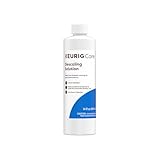
1. Keurig Descaling Solution - Official Formula for Keurig Machines
Keurig Descaling Solution For 2.0 and 1.0 K-Cup Pod Coffee Makers
14 oz citric acid formula
Use every 3 months
Odorless and fast acting
What We Like
- Safe citric acid formula cleans without harming brewer
- Removes mineral deposits that affect taste
- Cleans in under 45 minutes
- Odorless with no residual taste
What We Don't Like
- Single-use bottle
- Only compatible with Keurig machines
I have used the Keurig Descaling Solution on my Keurig 2.0 for over three years, and it has never let me down. The citric acid formula is specifically designed for Keurig machines, which means it dissolves limescale without damaging rubber seals or internal gaskets. One bottle is designed for a single descaling cycle, making the process foolproof since you do not have to measure anything.
The cleaning process takes about 45 minutes from start to finish, but most of that time is hands-off. You pour the solution in, add water, and let the machine run its cycle. After three rinse cycles, your coffee tastes noticeably fresher. With over 12,800 reviews and a 4.6-star rating, this is the most widely used Keurig descaler on the market.
One thing I appreciate is that the formula is completely odorless. Unlike vinegar, which leaves a lingering smell during the cleaning process, this solution runs through silently and leaves zero residual taste. I always keep a spare bottle in my pantry so I never miss the 3-month descaling window.
Compatibility with Different Keurig Models
This solution works with both Keurig 1.0 and 2.0 machines, including the K-Classic, K-Elite, K-Select, K-Mini, and K-Cafe. The 14-ounce bottle provides the exact amount needed for one full descaling cycle on any model. Keurig also states it is safe for plastic surfaces, so there is no risk of discoloration or damage to the water reservoir.
How It Compares to Vinegar for Keurig
While vinegar works as a descaler, the Keurig formula is purpose-built for the machine's internal components. The citric acid concentration is precisely calibrated to dissolve scale without being aggressive enough to degrade seals over time. If your machine is still under warranty, using the official solution ensures compliance with Keurig's maintenance requirements.
2. Nespresso Descaling Solution - Official Kit for All Nespresso Models
Nespresso Descaling Solution, Fits all Models, 2 Packets
2 packets of 100ml each
Fits all Nespresso models
Citric acid based
What We Like
- Compatible with every Nespresso machine model
- Includes instruction booklet
- Official Nestle formula
- 81% five-star ratings
What We Don't Like
- More expensive than generic alternatives
- Only 2 packets per package
The Nespresso Descaling Solution is the official kit designed for every Nespresso machine on the market. Each package contains two 100ml packets, which is enough for two complete descaling cycles. I use this on my Nespresso Vertuo and it has kept the machine running smoothly for over two years without any performance issues.
What makes this solution stand out is its universal compatibility. Whether you have an OriginalLine machine like the Inissia, Citiz, or Pixie, or a VertuoLine model like the Vertuo Plus or Vertuo Next, this kit works perfectly. The included instruction booklet provides model-specific button combinations, which is helpful if you have lost your original manual.
The citric acid-based formula is gentle on internal components while still being effective at dissolving calcium deposits. With a 4.7-star rating across over 10,700 reviews, it is clear that most Nespresso owners trust this solution over generic alternatives.
How Many Packets Do You Need Per Cycle
One 100ml packet is designed for a single descaling cycle. You pour the entire packet into the water tank, then fill with fresh water to the recommended level in your manual. The two-pack gives you enough for two cycles, which covers approximately 6 months of maintenance if you descale every 3 months.
Can You Use This in a Keurig Machine
Technically yes, since both solutions use citric acid as the active ingredient. Reddit users in r/nespresso have reported using Keurig solution in Nespresso machines with good results at a ratio of one-third to one-half bottle. However, for warranty compliance, I recommend sticking with the official solution for each brand.
3. Iberia All Natural Distilled White Vinegar - Budget Descaling Alternative
Iberia All Natural Distilled White Vinegar, 1 Gallon - 5% Acidity
1 gallon jug
5% acidity
All natural distilled
What We Like
- Pennies per descaling cycle
- Bulk 1-gallon size
- 87% five-star ratings
- Multi-purpose household cleaner
What We Don't Like
- Strong vinegar odor during cleaning
- Requires extra rinse cycles
If you want to descale your coffee machine without spending money on branded solutions, Iberia All Natural Distilled White Vinegar is the most popular choice. At 5% acidity and a full gallon per jug, this vinegar provides enough cleaning power for dozens of descaling cycles at a fraction of the cost of commercial solutions.
I keep a gallon of this in my pantry for descaling my office Keurig, and it works just as well as the branded solution. The key is using a 1:1 ratio of vinegar and water in the reservoir. After running the cycle, you need three to four rinse cycles with fresh water to eliminate any vinegar smell or taste.
With a 4.8-star rating and the number one spot in Amazon's White Vinegars category, this is clearly a trusted product. Over 7,500 reviewers have given it top marks, with many specifically mentioning coffee machine descaling as their primary use case.
Proper Vinegar to Water Ratio for Descaling
For Keurig machines, fill the reservoir with equal parts vinegar and water. For Nespresso machines, a 1:1 ratio also works, though some users prefer a slightly weaker 1:2 ratio to reduce the vinegar smell. Always run at least three full rinse cycles afterward to remove any residual acidity.
Is Vinegar Safe for Coffee Machines Long Term
Vinegar is generally safe for occasional use, but it can degrade rubber seals and gaskets over time if used too frequently. I recommend alternating between vinegar and a citric acid-based solution every other cycle to minimize wear on internal components. If your machine is under warranty, check the manufacturer guidelines before using vinegar.
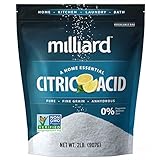
4. Milliard Citric Acid Powder - Versatile Multi-Purpose Descaler
Milliard Citric Acid Powder Food Grade, 2 lb Bag, Bulk, 100% Pure, Non-GMO Project Verified, for Cleaning, Bath Bombs, Descaler, Dishwasher, Candy
2 lb food grade powder
100% pure non-GMO
Multi-purpose descaler
What We Like
- One bag covers dozens of cleaning cycles
- Food grade and non-GMO verified
- Odorless alternative to vinegar
- Removes hard water stains and limescale
What We Don't Like
- Fine powder can be messy
- May clump if not stored properly
The Milliard Citric Acid Powder is my top recommendation for anyone who wants the effectiveness of a commercial descaler without the per-use cost. This 2-pound bag contains enough citric acid for months of descaling cycles, and since it is food-grade and non-GMO verified, you can use it for cooking and baking too.
I use one tablespoon of citric acid dissolved in a quart of warm water to descale my Nespresso. The process is identical to using the official Nespresso kit, but it costs about 90% less per cycle. The powder dissolves completely and leaves no odor, which means fewer rinse cycles compared to vinegar.
With over 50,000 reviews and a 4.8-star rating, this is one of the most popular food-grade citric acid products on Amazon. It ranks number two in the Flavoring Powders category, and the bulk bag size makes it an incredible value compared to single-use descaling bottles.
How to Mix Citric Acid for Coffee Machine Descaling?
Dissolve one to two tablespoons of citric acid powder per quart of warm water. Pour the solution into your machine's water reservoir and run a normal descaling cycle. For heavy scale buildup, you can increase the concentration to three tablespoons per quart. Always follow with at least two rinse cycles of fresh water.
Beyond Coffee Machines: Other Cleaning Uses
The same citric acid solution works on kettles, dishwashers, showerheads, and washing machines. A single 2-pound bag can handle all your household descaling needs, making it the most cost-effective option on this list. Just keep the resealable bag in a dry place to prevent clumping.
Troubleshooting Common Descaling Problems
Even with clear instructions, things can go wrong during the descaling process. Here are the most common issues and how to fix them.
Stuck in descale mode: This is the number one complaint on coffee forums. If your Keurig or Nespresso will not exit descale mode after the cycle, try unplugging the machine for 30 seconds, plugging it back in, and pressing the button combination again. For Keurig, hold CUPS and OZ together for 5 seconds. For Nespresso, hold the Espresso and Lungo buttons for 5 seconds. If that fails, run one more full rinse cycle with clean water, then attempt to exit again.
Machine not pumping water: If the pump runs but no water comes out, air may be trapped in the system. Lift the water reservoir up and reseat it firmly. Run a brew cycle without a pod to prime the pump. You can also try tapping the side of the machine gently to dislodge any air bubbles.
Residual taste after descaling: If your coffee tastes sour or chemical-like after descaling, you need more rinse cycles. Run at least three full reservoir cycles of fresh water through the machine. For vinegar descaling, run four or five rinse cycles to be safe. Taste the water from the final rinse cycle to confirm it is clean.
Descale light will not turn off: On some Keurig models, you must complete a full descale cycle for the light to reset. If you interrupted the cycle midway, start over from the beginning. On Nespresso machines, try holding the power button for 10 seconds to force a system reset.
How Often Should You Descale Your Coffee Machine?
The general rule is every 3 to 6 months, but your actual frequency depends on two factors: water hardness and daily usage. If you live in a hard water area, you should descale every 3 months without exception. If you have soft water or use filtered water, every 6 months is usually sufficient.
For heavy users who brew 4 or more cups per day, shorten the interval to every 2 to 3 months. The descale indicator light on modern machines is actually a good guide since it tracks brew cycles. When it comes on, do not ignore it for weeks, as the scale continues to build while you wait.
Frequently Asked Questions
What two buttons do I push to descale my Keurig?
Press and hold the CUPS button and the OZ button together for 3 seconds. The descale indicator light will start flashing to confirm you are in descale mode. Then press the flashing BREW button to begin the descale cycle.
Can I use vinegar and water to descale my Nespresso machine?
Yes, you can use a 1:1 ratio of distilled white vinegar and water to descale a Nespresso machine. Pour the mixture into the water tank, enter descale mode by holding the Espresso and Lungo buttons for 3 seconds, and run the cycle. Be sure to run at least three rinse cycles with fresh water afterward to remove any vinegar taste.
Can I use vinegar and water to descale my Keurig machine?
Yes, vinegar is a safe and effective descaler for Keurig machines. Fill the water reservoir with equal parts white vinegar and water, then run brew cycles until the reservoir is empty. Let the machine sit for 30 minutes, then run three to four rinse cycles with fresh water to remove any residual vinegar taste.
How do I put my Nespresso machine into descale mode?
For most OriginalLine Nespresso machines, press and hold the Espresso and Lungo buttons simultaneously for 3 seconds until the lights blink rapidly. For VertuoLine machines, press and hold the lever down for 3 seconds while the machine is powered on. Consult your specific model manual for variations.
How long does the descaling process take?
Descaling a Keurig or Nespresso machine takes approximately 30 to 45 minutes from start to finish, including rinse cycles. The active descaling cycle itself runs for about 10 to 15 minutes, with the remaining time needed for rinsing and preparation.
Keep Your Coffee Tasting Great
Regular descaling is the single most important maintenance step for keeping your Keurig or Nespresso machine running at peak performance. Whether you choose the official Keurig or Nespresso solution, a budget vinegar approach, or versatile citric acid powder, the key is consistency. Set a reminder every 3 to 6 months and your machine will reward you with better-tasting coffee and a longer lifespan.
Now that you know how to descale a Keurig or Nespresso machine safely, pick up your preferred descaling solution and get started. Your morning cup will taste noticeably better after just one cycle. For 2026, make descaling a regular part of your coffee routine.

Ethan Carter is the Home Appliance Specialist at Powers of 10. He specializes in testing and reviewing everyday tech and household appliances. By focusing on durability, value, and real-world performance, Ethan helps readers make smart, confident upgrades to their homes.